
 EN
EN

How to Select the Right Mesh for a Vibrating Sieve?
How choosing the right vibrating sieve mesh affects business productivity
Picking the right mesh for vibrating sieve machines is an important detail that could affect the business in the long run with it's operational costs and production efficiency. In the food industry, Chemicals and Metallurgy, the right mesh brings appropriate separation, lesser downtimes and greater efficiency. It helps in increasing the return on investment. This step is crucial, and failure to do so could result in mesh replacements, greater output inconsistency and greater expenses. Performance, durability, and cost are the important factors that need to be balanced and that are chracteristic of streamlined cost-effectiveness in a business's screening process.
Some Important Considerations Before Selecting Mesh Specifications
Compatibility of the Material.
The first consideration that needs to be put in place is screening mesh material, and how it's going to be compatible with the material that is being screened. If you need to screen corrosive materials like salt or chemicals, a stainless steel mesh is a good option to go with, since it does not rust. For Metallurgy with very high temperatures, heat resistant alloys are a must, to ensure the mesh does not retain high temperatures and warp structure. Food and Pharmaceutical industries are also very hygienic industrial fields, therefore, food grade materials are a must to comply with hygiene requirements. The improper material of mesh is going to correlate with factors such as premature wear, contamination the mesh, and need for frequent replacement which is going to result in cost erosion.Uniformity and aperture size help determine the particle size of the final separated material, which is important for obtaining results with an aperture. Uniformity is important for getting consistent results. If the aperture is too big, unwanted particles will go through and this will great the product's quality. If an aperture is too small, it will cause clogging. This will reduce throughput, and increase energy use. Quality meshes separate perfectly, with each layer retaining a different particle size. This quality of uniform mesh debugging comes from reliability in electronic appliances and is a final touch of craftsmanship from the trusted manufacturers of screening equipment.
Wire Diameter and Tensile Strength
While the abrasion resist of wires increased with thickness, it also reduced with the tensile strength and increased with the cost. with thinner wires and low strength. Thinner wires should be used for light duty and heavy usages. If there is an imbalance within the wires diameter, the mesh will tend to last low scoring more maintenance costs and productivity.
Weaving Patterns
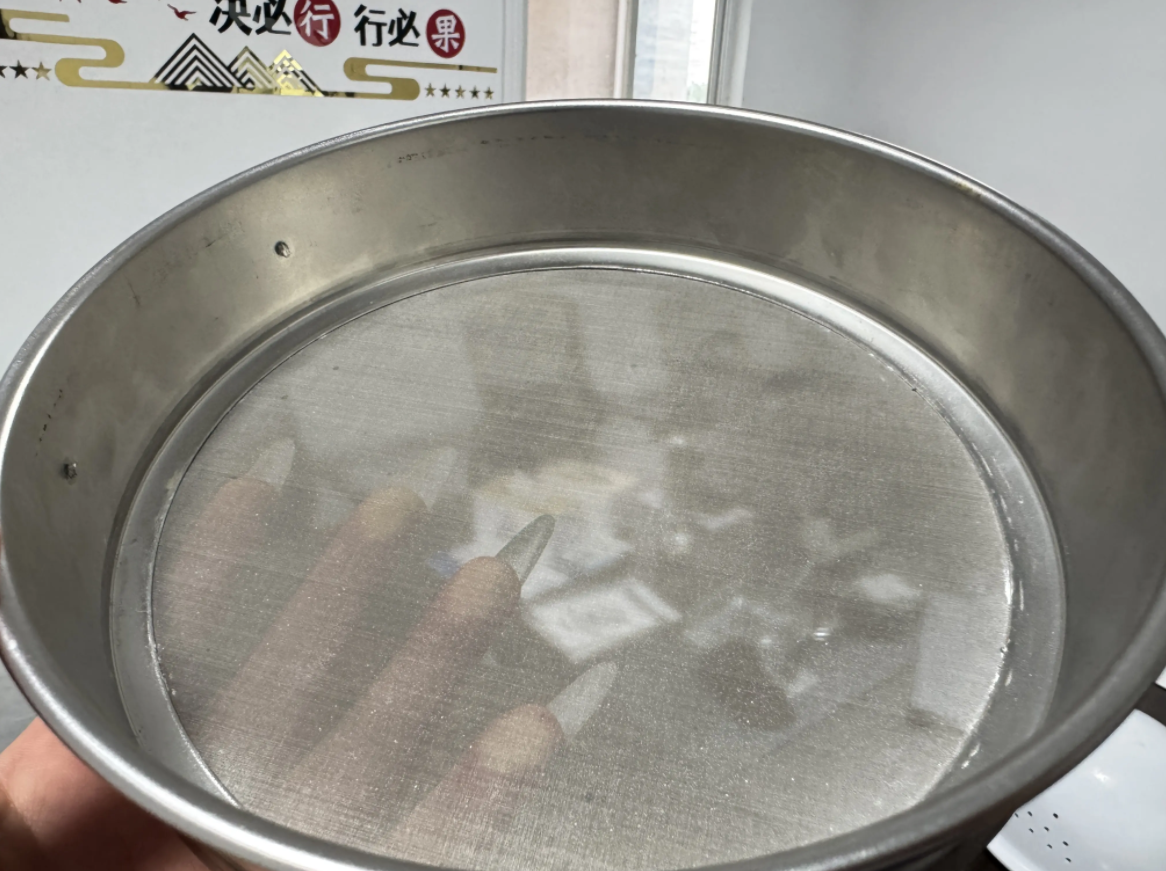
Different needs fit different weaving patterns including plain weave, twill weave, and Dutch weave. Plain weave is the most affordable option and works well for screening most non-abrasive materials. If a weave needs to be more durable for some light abrasion, twill weave is a better option. A Dutch weave is the most precise and works well for more fine particles. By knowing the pros and cons for different patterns, the mesh can be matched to a precise screening need. Then a more expensive overranging complex pattern can be avoided as well as a cheaper simpler one that won't be sufficient.
Aligning Mesh Choice with Industry Specific Requirements
Different industries mesh needs in different ways. Hygiene is a big concern in the food industry, and that is why the mesh needs to be easy to clean and the slots to be of even size to avoid contamination of the final product. For the chemical industry, stability of the mesh is very important, and corrosion resistance is necessary so that there is no degradation of the mesh and contamination of the materials. In the building materials sector, the durability of the mesh is very important as the mesh needs to be abrasive against sand, gravel, and other aggregates. Tailoring the mesh choice to the particular challenges of the industry ensures that the resources are not wasted on mismatched solutions.
Cost-Efficiency vs. Cost Effectiveness
Cost Effectiveness does not mean picking the cheapest mesh. Cost Effectiveness means getting the best value for you dollar. the upfront cost of a high quality mesh is usually worth it because it lasts longer, needs less replacements, and need less maintenance. For example, a corrosion resistant mesh is more expensive, but in the long run, you wont need to replace it monthly when it is used in chemical processing. It is a lower cost in the long run. On the other hand, buying a heavy duty mesh for low duty applications is also a waste of money because you're over investing. Reputation suppliers are known to gain the perfect equilibrium by balancing core technologies and high volume production to provide meshs that truly fit the needs of the customer at a fair price.
Some Common Pitfalls to Avoid when Picking Your Mesh
Ignoring the Conductivity of the Material
In most cases, the abrasiveness of a the mesh is a big contributor to mesh life lost. If a moderate to high abrasiveness is present, be certain to select reinforced and wear resistant mesh in order to avoid high replacement costs and excessive downtimes, or in other words, lost money.
Overly Budget Conscious
Purchasing the cheapest mesh will surely come back to costs in the long run. It will lead to low quality, inconsistent aperture sizes, poor tensile strength, and an overall lower quality leading to more enragement and less replacement of an appropriate mesh at the right time.
Overlooking Hygiene and Compliance
Industries like food and pharma are under regulation, and choosing which mesh materials to use carry a risk of contamination, legal and financial penalties, and damage to one's reputation and credibility. The impact of skipping hygiene-compatible mesh to save costs is directly damaging to credibility in the buisness.
Neglecting Operational Conditions
Attention must be paid to aspects like temperature, humidity, and the intensity of the screening. A mesh intended to be used on screening at room temperature can fail in a high heat environment, and unexpected maintenance costs can occur.
Leveraging Professional Expertise for Informed Decisions
The selection of mesh is complex and varies by industry and its underspecified needs, functionality, and technical parameters. With the more experienced screening equipment providers, one gets a comprehensive level of service that is built on the solid foundation of industry experience and primary patented inventions while also providing a mesh value proposition that they can tailor for a given situation. They save the clients from the expensive process of trial and error on the material properties, production volume, and quality of the specific application. Reliable providers allow companies to manage their downtime from the very low lead times that they can provide and, in return, creates value by maximising the overall mesh.
Conclusion: Making the Right Mesh Choice for Long-Term Value
To make the right mesh choice for a vibrating sieve, several implications need to be considered ranging from the details to the larger picture such as the operational costs, product quality, and efficiency of the process. Constructing a viable balance in operating costs and perforing technical parameters with material compatibility and the specific needs of the industry under focus, a business can avoid underperformance and operational inefficiencies. The negative impact of doing the wrong mesh choice can also include all the benefits that would have come in with a properly made choice such as the decreased maintenance spending, improved operational throughput, and enhanced competitive positioning of the business. Choosing the right and professional service providers can help a business make the right mesh choice that meets the organization's needs and adds the desired value that has a long-term impact on the success of the screening operations.


