
 EN
EN
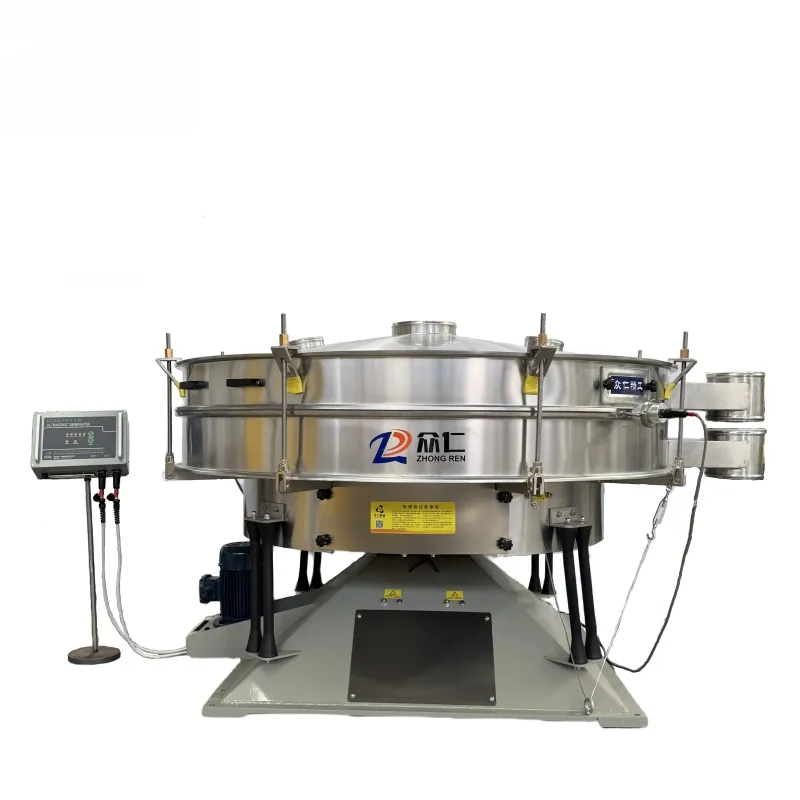
Die Belangrikheid van Doeltreffende Sifting
Met ongeëwenaarde klassifikasiepresisie vir alle materiaaltipes maak die Trommelreëlskerm gebruik van 'n enkele, gepatenteerde klassifikasiemetode wat reglynige en sirkelvormige beweging kombineer om die handmatige klassifikasieproses na te boots. Benewens die verwydering van klassifikasiemateriaalstrome en verstoppings wat algemeen is by tradisionele klassifikasie-uitrusting, is die Trommelreëlskerm ontwerp om groot volumes klassifikasiemateriaal te hanteer, soos fyn poeiers en poeiers wat geneig is om te agglomereer. Die ontwerp van die Trommelreëlskerm is gebaseer op meer as tien jaar se navorsing en ontwikkeling in intelligente siftingtegnologie sowel as optimalisering van die strukturele ontwerp vir klassifikasie. Trommelreëlskerm lewer 'n verbetering van meer as 30% in siftingdoeltreffendheid terwyl dit vibrasiegeluid en energieverbruik van klassifikasie-uitrusting beheer. Die bewegingsbeheerstelsel en oppervlakontwerp van die toestel, wat deur 'n patent beskerm word, verseker robuuste toepaslikheid van die toestel vir die verskillende presisievereistes met betrekking tot deeltjiegroottes in verskillende nydighede. Alle ontwerpaspekte en tegniese eienskappe van die toestel is spesifiek aangepas om aan die industriële vereistes te voldoen en sodoende betroubare en duursame toestelle vir langtermyn, voortdurende bedryfsstabiliteit te verseker.
Nywerheidsveerkragtigheid en Funksies van Toepassings
Die draaikassie-skermskerm word gekenmerk deur sy veelsydigheid oor baie nywe van die nywerheid, insluitend: farmaseutiese produkte, voedsel, chemikalieë, keramiek, skuurmiddels, boumateriale en metallurgie. Elke nywerheid het verskillende eienskappe: voedsel- en farmaseutiese produkte vereis 'n hoë vlak van skoonheid en siftingakkuraatheid, chemikalieë bevat korrosiewe en brandbare materiale, en metallurgie behandel groot en swaar deeltjies. Die draaikassie-skermskerm is ontwerp om hierdie eienskappe aan te spreek deur die skermmateriale en maasgroottes te verander. Byvoorbeeld, om voedselveiligheid te waarborg, word voedselgraad-roestvrystaal as skermmateriaal gebruik. Netso word anti-korrosiewe materiale in die chemiese nywerheid gebruik om korrosie te voorkom, wat die skerms se leeftyd verleng. Die toestel kan volledig met outomatiese industriële beheerstelsels geïntegreer word. Dit stem ooreen met die moderne tendens van slim vervaardiging om sifting-, vervoer- en verwerkingsfunksies te kombineer.
Werklike Lewensvoorbeelde in die Voedselverwerkingsektor
Die primêre mark vir draaikassies is die voedselverwerkingsektor, waar uitstekende resultate aangeteken is met die gebruik van sojaboonmelkpoeder, meel en stysel. Binne die raamwerk van ’n strategiese samewerkingsprojek met ’n toonaangewende vervaardiger van sojaboonmelkpoeder is ’n spesiaal ontwikkelde draaikassiestelsel gebruik om die aanvanklike sifting van toevoer na sojaboonmelkpoeder te doen en om die lae doeltreffendheid en onkonsekwentheid in deeltjiegrootte wat met tradisionele siftingmetodes gepaard gaan, op te los. Die toestel het onderbrekingsvrye en hoogs akkurate sifting bewerkstellig, wat gelei het tot ’n volumetriese toename in die verwerkingsvermoë van die maatskappy in daaropvolgende jare. In meelvervaardiging hanteer die draaikassie die sifting van fyn koringmeel sonder die risiko van stofontploffings wat met swak stofbeheer in tradisionele meganiese vervoer- en siftingstof gepaard gaan, en sonder om die fynheid en eenvormigheid van die meel te kompromitteer. Die gebruik van ’n draaikassie in die verdiepte verwerking van stysel is erken vir sy vermoë om presiese sifting van styselpoeder te doen en sodoende die gehalte van stysel te verbeter. Hierdie voorbeelde illustreer die veelsydige toepassings van draaikassies in voedselverwerking.
Voordele in Gehalteversekering en Besigheidsbedryf
Aangesien gehaltebeheer die hele maatskappy se produksiestelsel insluit, is dit altyd beskou as die belangrikste element in die wye toepassing van die draaikassie-skerms in verskeie besighede en nywerhede. Gehaltebeheer begin met die aankoop van hoëgehale grondstowwe en word voortgesit met toetsing, beheer en inspeksie by elke produksiestap. Dit verseker dat die toestelle wat vervaardig word, op maksimum doeltreffendheid werk en aan die streng gehaltestandaarde wat in die toestelvervaardigingsnywerheid verwag word, voldoen — en selfs daaraan oorskry. As gevolg van die veerkragtigheid van modulêre ontwerpe kan skerms en onderdele vinnig vervang word; daarom kan bedryfs- en onderhoudstydperke sowel as koste verminder word. Tydens elke bedryfsiklus gebruik die draaikassie-skerm 'n beskeie hoeveelheid energie en vereis dit 'n beperkte bedryfsvloeroppervlakte. Gevolglik is dit 'n uitstekende keuse vir klein-middelgrootte produksielyn sowel as groot industriële produksioptellings. Daar is min twyfel dat die draaikassie-skerm bedryfs- en produksieprosesvereistes op 'n hoë vlak sal bevredig, en sy voortgesette bedryf oor lang tydperke sal sy waarde en betroubaarheid vir nywerhede bevestig. Verskeie nywerheidsgehaltepryse en -sertifikasies versterk verder sy geloofwaardigheid as 'n gehaltekundige produk.
Die Belangrikheid van Trommelwerkers vir Winsgewendheid in Industriële Produksie
Die konstruksie van draaikassiespoelers stroomlyn en optimaliseer vervaardigingsprosesse. Aangesien sirkulerende draaikassiespoelers die spoed en gehalte van vervaardiging oor alle siklusse gemiddeld, bly die effektiewe eenheidkoste en vervaardigingsgehalte óf konstant óf dit verminder. Aangesien spoelers die gehalte van vervaardiging verbeter, verhoog hulle ook die gehalte deur die koste van aanvullende vervaardiging te kompenseer. Draaikassiespoelers integreer ook slagte en die skiet van die te kwantifiseer doelwitte. Aangesien skietdoelwitte ook gebruik kan word om arbeidsfunksies soos handmatige verpakking of gehaltekontrole te vervang, word die vervaardigingsiklus verkort. Laastens funksioneer draaikassiespoelers optimaal en deur al die fabrieksones heen. Klein en beginnende ondernemings kan ook voordeel trek uit draaikassiespoelers, aangesien hulle ontwerp kan word om al die bedryfsone te dien, insluitend die one met die hoogste en gemiddelde vervaardigingsvolume. Die samevoeging van streekgebasseerde vervaardigingsspoelers ondersteun ook die vereenvoudiging van vervaardigingsprosesse. Industriële mededinging word as gefragmenteer beskou aangesien die markgrootte onbeperk is.