
 EN
EN

How to Optimize the Performance of a Vacuum Conveying System?
As an integral part of the food processing and pharmaceutical and chemical industries, vacuum conveying systems enable the safe and hygienic transport of products and materials. After long-term usage, however, many users face challenges such as inefficiency, operational breakdowns, and high costs of conveying systems. Hence, the optimization of vacuum systems is about finding a balance between functionality, quality, and cost in order to maximize overall business value. Below, we analyze various optimization techniques and strategies that combine expertise with practical experience.
Identify the Main Performance Impediments
Before the vacuum systems can be optimized, the reasons for the system inefficiencies have to be determined. Some of the most common of these issues are lack of hygiene, blockage of materials, high energy costs, and inconsistent speed of the systems. Often such issues are the result of a mismatch in both the systems design and the materials, for example a clogging system may be a design fit for a system that is used with fine materials such as a wheat flour or soy powder. One of the most important issues is also the one that is most often neglected, which is system maintenance. Components are gradually degraded and as a result the overall system ineffectiveness equation is worsened. These system performance bottlenecks are the starting point for optimization to focus system design and operational feedback efforts.
Harnessing Advantages of Technology for Innovating Designs
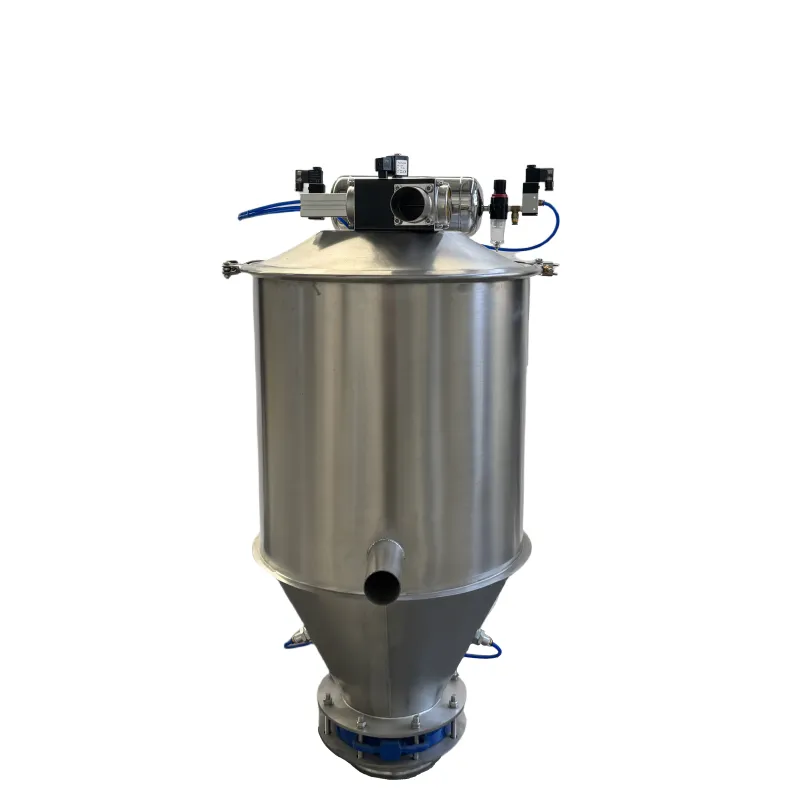
Advanced design vacuum systems work on the principles of systems designed around a core of patented technology which allows for convenient customizing of systems for a range of industrial pressures systems. Consider the blocking of pipe systems that convey industrial systems including moisture, chunks, and abrasives. Custom air pressures and conveyance structures can convey pipe systems that effectively enhance transfer efficiencies. Removal of human control required for the systems operational stability is achieved through smart systems that automatically detect, control, and adjust for material conveyance. Finely tuned systems tailored for specialized technologies can constrict vacuum systems designed for varying industrial solutions, peak operational efficiencies, and control systems remain at the centre of design.
Production Processes Dictating Quality Within a Stable Framework
Operational reliability is the result of uncompromising performance on all production parameters including rigorous quality control across the production fabric. The systems performance and durability is determined by the choice of raw material and assortment of production fabric. The cycle of quality components diminishes the scenario of break downs. Unreleased potential of downtimes is simplified through the strategy of component maintenance. Integration of user friendly materials for ease of cleaning is wise in the food and pharmacy sectors. Quality control is a technical necessity that guarantees seamless continuous operational flow and stables return on invested resources.
Balance Cost and Efficiency with Cost-Effective Strategies
When looking to optimize processes, considering cost-effectiveness is of course fundamental and more importantly, true cost-effectiveness encompasses more than simply choosing the option with the lowest cost, but rather the option that provides the best value for the price. Well-established manufacturing companies are able to balance their costs and quality of products due to their investments in mass production and strong, well-versed supply chain systems. In the same vein, systems with designs focused on energy efficiency such as low energy consuming motors, paired with optimized airflow designs, will reduce the expenses related to long-term operational costs. Cost-effectiveness of systems allows firms to make lower, and even more importantly, quality investments in core technologies, and for firms to start experiencing rapid productivity growth. This results in a win-win for both operational performance and budget of firms.
Adjusting your System to Fit Each Industry
For vacuum conveying systems to work efficiently, industries have to work with scenario specific optimizations. Take the flour milling industry, with the fine highly flammable wheat flour, the focus becomes explosion prevention, hygiene, and dust control. Production of soy milk, the system has to meet necessary food safety standards while also being gentle on the materials to keep the soy milk’s quality. Chemical and metallurgical needs have to be highly corrosion resistant and able to withstand high temperatures. Each industry has different focal points for their needs. Fully understanding the system’s priorities and customizing solutions to suit specific demands and optimizations to materials used in pipelines, filtration systems, and speeds of conveyance, the system can work with the needs of the operational processes to enhance its value and functionality.
Summary
With the right mix of attributes, the company can effectively optimize its vacuum system. These attributes encompass a thorough understanding of the system’s working, seamless integration of industry specific systems, technological refinements of the system to eliminate operational impediments, and effective cost management. These attributes should work in conjunction to enhance the system’s safety, stability, and operational efficiency. All being on top of the industry standards should lead to an effective vacuum system for the conveying system with a huge optimizational impact on the system.


