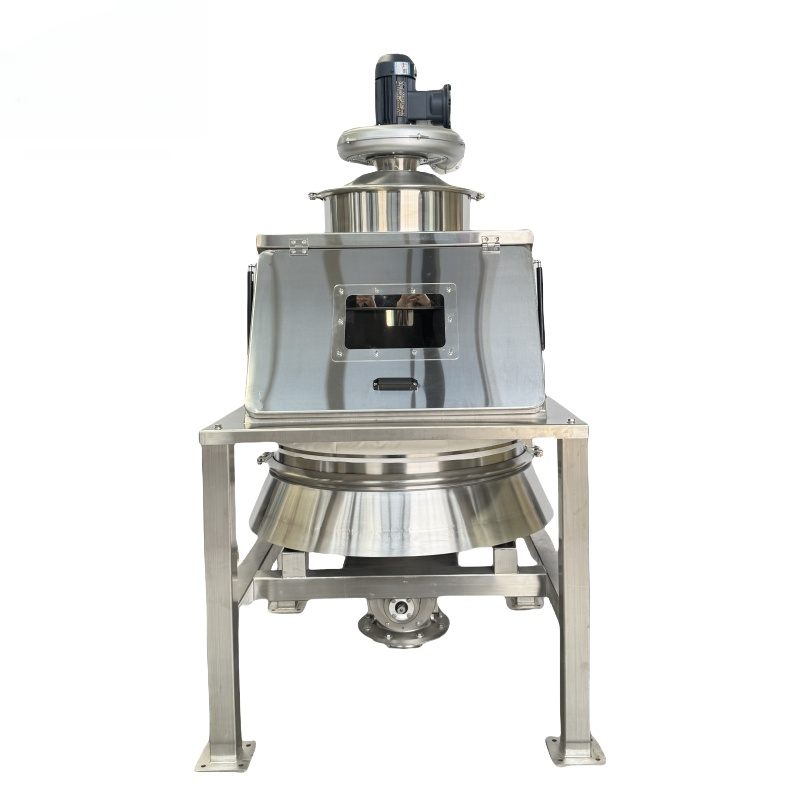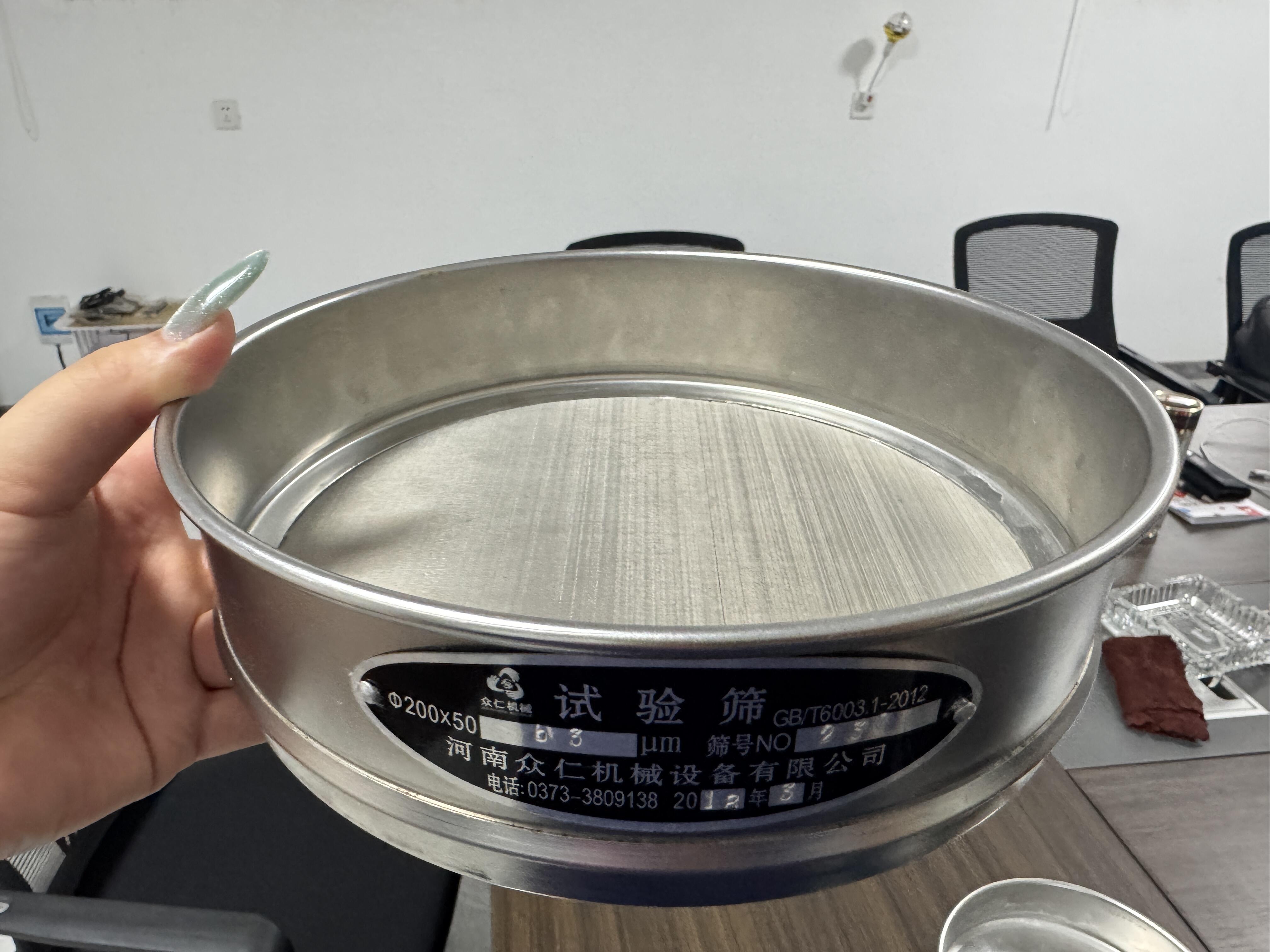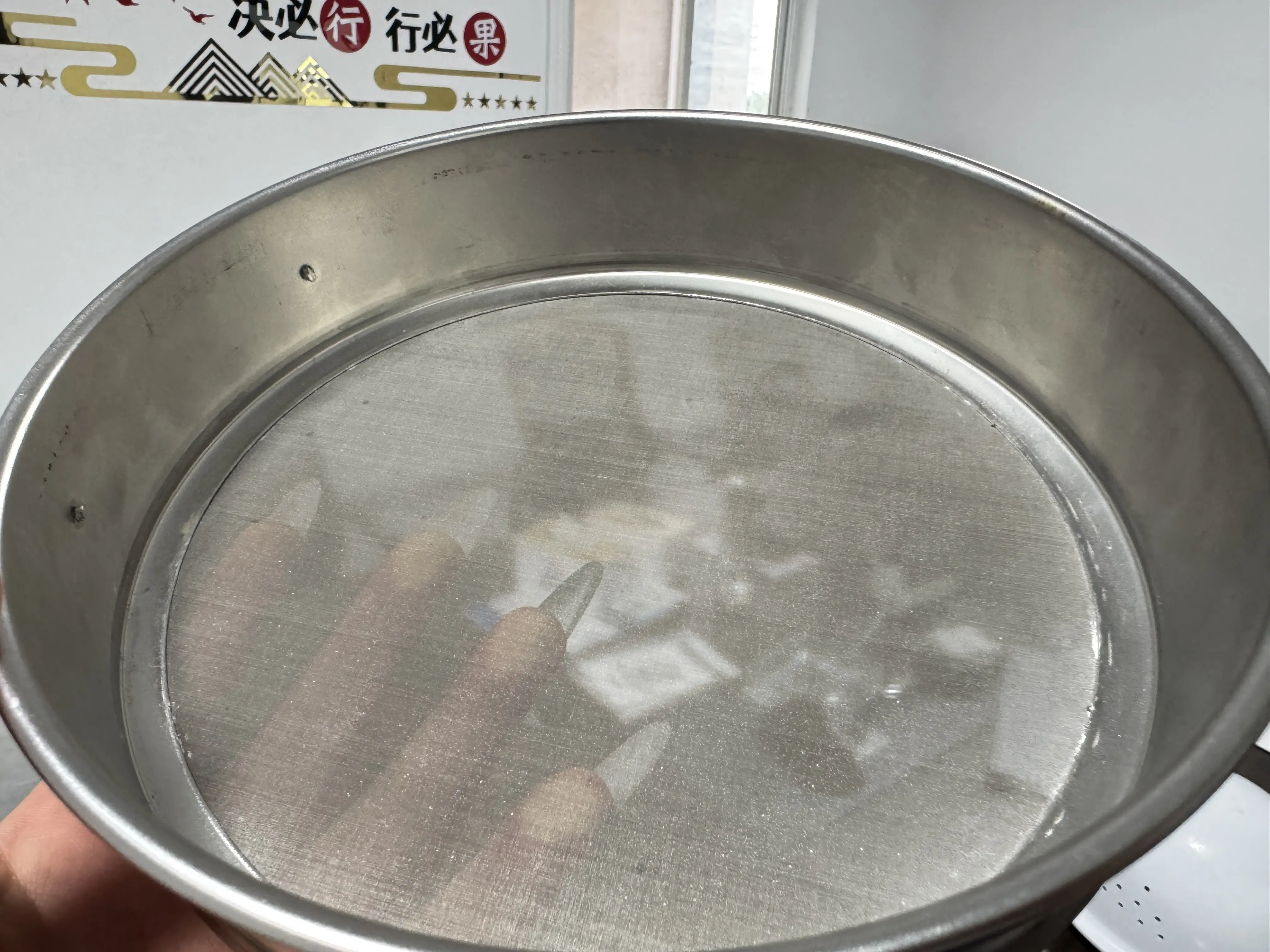
The sand sieve test is a fundamental procedure in construction and civil engineering, used to determine particle size distribution in sand and aggregates. By passing sand through a series of sieves, engineers assess gradation, ensuring compliance with ASTM C136 and other standards. This test guarantees optimal strength and workability in concrete, asphalt, and mortar mixes, preventing structural failures.
In geotechnical and soil analysis, the sand sieve test helps classify soil types for foundations, roadways, and landscaping. Properly graded sand improves drainage, stability, and load-bearing capacity. Environmental and agricultural labs also use this test to analyze sediment samples, ensuring erosion control and sustainable land management practices. Accurate sieve results lead to safer, more efficient project outcomes.
The mining and industrial sectors rely on the sand sieve test to refine raw materials like silica sand for glass production, foundry molds, and filtration systems. Consistent particle sizing enhances manufacturing precision and product performance. Whether for quality assurance or research, this test remains a cost-effective, reliable method for material characterization across diverse applications.
20
Jul
20
Jul
20
Jul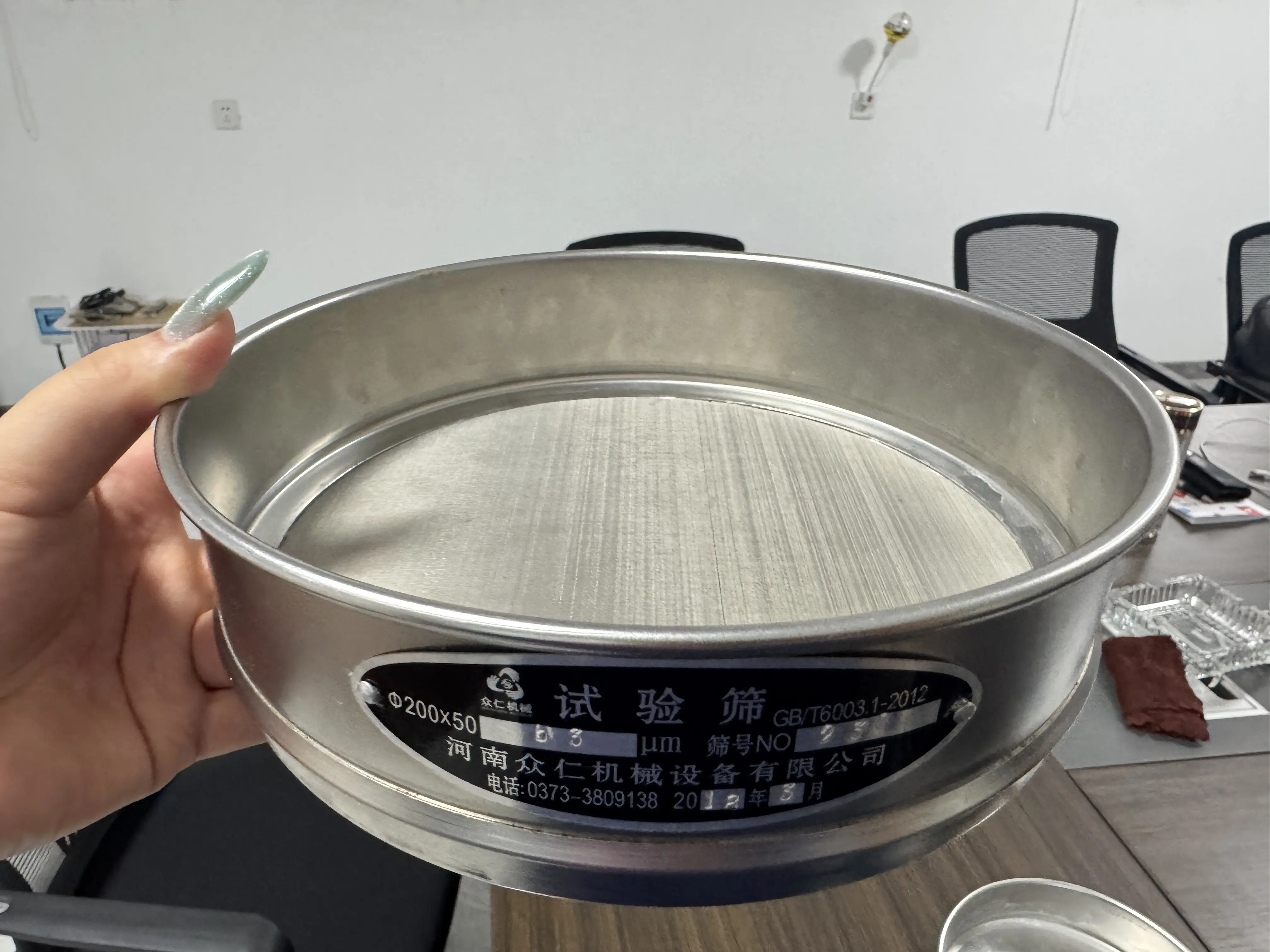
20
Jul
The non-binding nylon sleeves let me stack 12 sieves without jamming. Shaved 15 minutes off every particle size test—our throughput doubled since switching brands.

These high-quality test sieves offer outstanding precision and are indispensable tools in our soil analysis research. They provide the stable particle separation we need to ensure data repeatability, and their reliability proves the value of the investment.


Copyright © Henan Zhongren Machinery Equipment Co., Ltd.
 EN
EN