Test Sieve Mesh Sizes: Standard & Custom Openings for Precision

All Categories
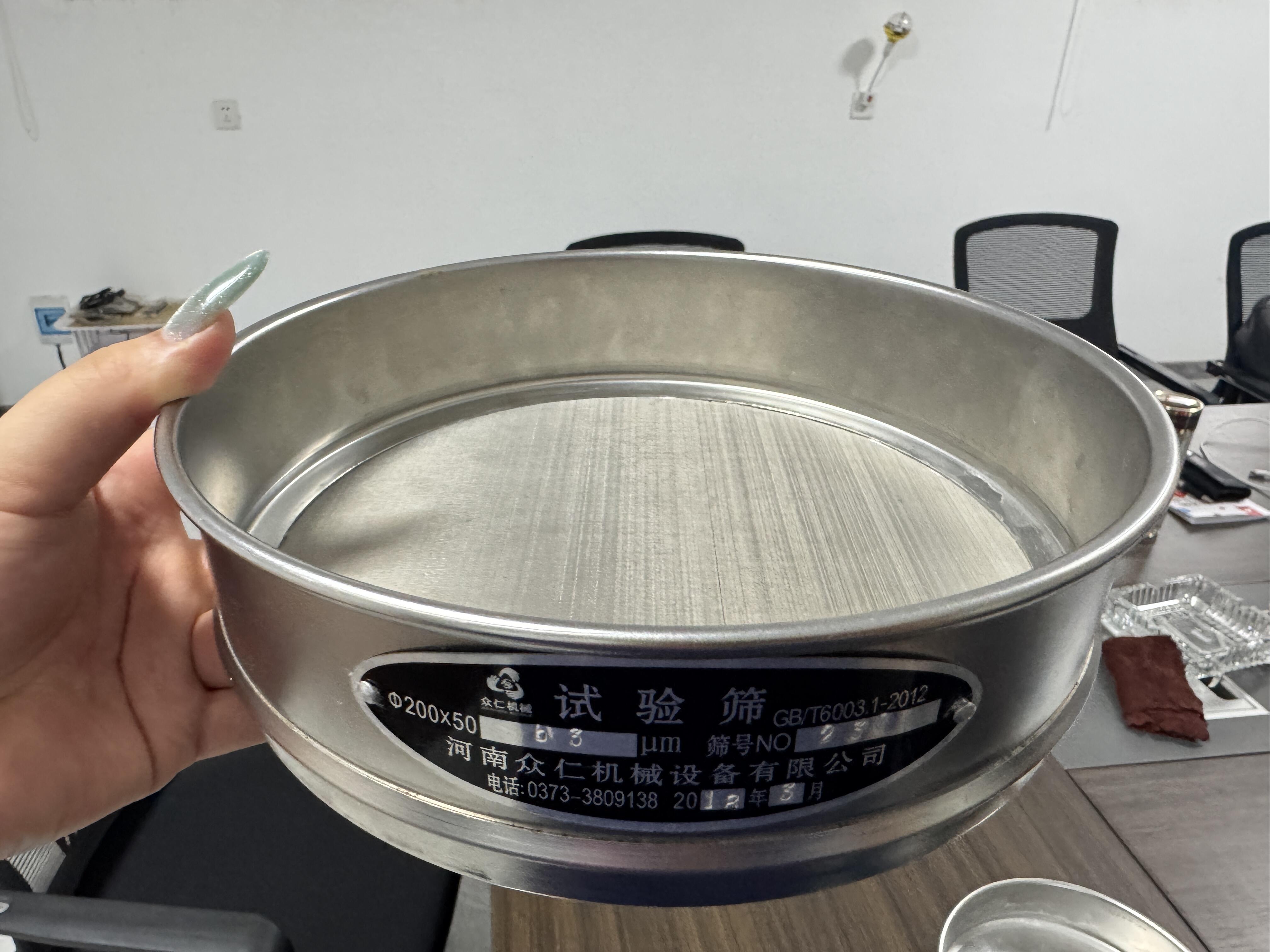
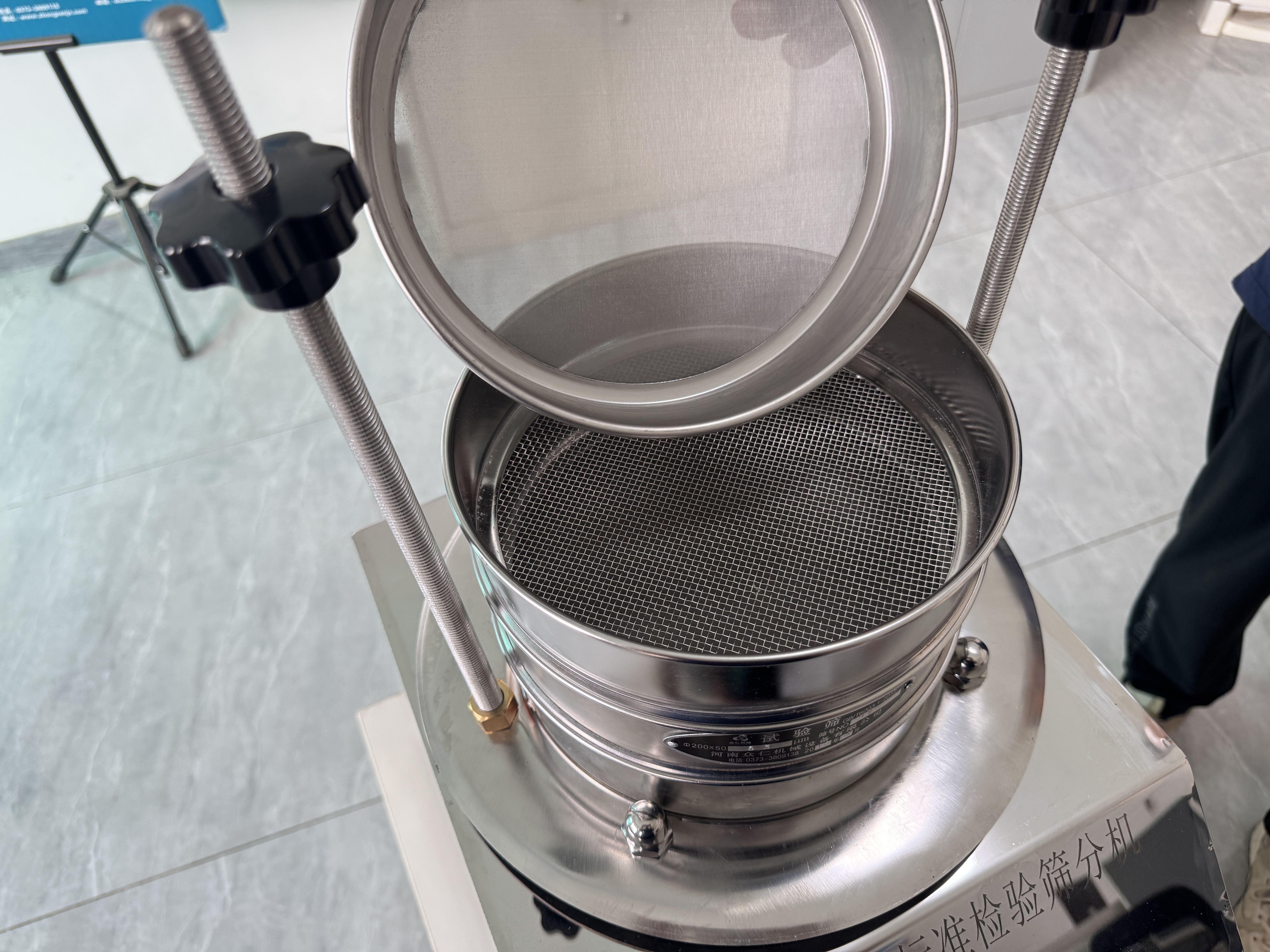
Test Sieve Mesh Sizes – Standard & Custom Sieve Openings for Accurate Particle Analysis​

Test Sieve Mesh Sizes – Standard & Custom Sieve Openings for Accurate Particle Analysis​

Explore our comprehensive guide to test screen mesh sizes, including standard ASTM and ISO specifications for particle size analysis. Choose the right screen for your laboratory, mining, construction, and other applications.
Get A Quote

Advantages of Test Sieve Mesh Sizes

Excellent Cost Performance

Because of our good reputation, our customers will always choose our products.

Have Core Patents

We have a large number of core patents of our own product technologies.

Strong Quality Assurance

Production is strictly controlled at every stage from raw materials to processing and assembly.

Supply Guarantee Capacity

We can meet the demands of customers of all scales.

​Test Sieve Mesh Sizes – Standard & Custom Wire Mesh Openings for Precise Particle Analysis​

The Significance of Test Sieve Mesh Sizes in Particle Analysis

  Test sieve mesh sizes play a pivotal role in material science, quality control, and industrial processing by determining the particle size distribution of powders, granules, soils, and aggregates. Each mesh size corresponds to a specific opening dimension—usually measured in microns or millimeters—that dictates which particles will pass through and which will be retained. This precision enables technicians and researchers to classify materials accurately, ensuring consistency and compliance with industry standards such as ASTM, ISO, and BS. Whether separating fine pharmaceutical powders or coarse construction aggregates, the choice of mesh size directly impacts the reliability of particle size analysis results.

  In industries like pharmaceuticals, food processing, and mining, the significance of selecting the correct test sieve mesh size cannot be overstated. For example, in pharmaceutical manufacturing, specific mesh sizes are mandated to ensure the uniformity and proper dissolution of active ingredients. Similarly, in the mining and construction sectors, mesh sizes are used to classify aggregates for concrete, asphalt, and soil testing, where particle distribution influences strength, durability, and load-bearing capacity. Using the appropriate mesh size ensures that only materials meeting precise specifications are processed or packaged, reducing waste and improving end-product quality.

  Beyond regulatory compliance, test sieve mesh sizes are essential tools for research, development, and troubleshooting in material science. Engineers and scientists rely on them to study material behavior, optimize formulations, and improve production processes. By analyzing how materials behave at different mesh sizes, companies can innovate more effectively, enhance product performance, and maintain a competitive edge. Whether in a high-tech lab or an industrial production floor, understanding and utilizing the correct test sieve mesh sizes is a foundational practice that ensures accuracy, efficiency, and quality across countless applications.
FAQ

What are test sieves used for?

Test sieves are used to separate and measure particles by particle size for quality control purposes and are widely used in industries such as construction, food, and pharmaceuticals.
Select your mesh size based on the specific particle size distribution you need to measure – common standards like ASTM or ISO provide detailed gradation requirements for materials like soil, aggregate, powders, or chemicals. Check your testing protocol or consult our sizing guide for recommendations.
We have our own independent factory
Gently brush residue with a soft-bristle brush after each use; for stubborn particles, use ultrasonic cleaning or mild solvents. Always store sieves stacked securely in a dry place to prevent mesh damage or frame warping, ensuring consistent results.

Our Latest News Display

Material Conveying Systems for Plastics, Food, and Pharma: What Changes?

20

Jul

Material Conveying Systems for Plastics, Food, and Pharma: What Changes?

View More
Swing Screen Machine vs Vibrating Screen: Which One Is Right for You?

20

Jul

Swing Screen Machine vs Vibrating Screen: Which One Is Right for You?

View More
How to Choose the Right Swing Screen Machine for Your Application

20

Jul

How to Choose the Right Swing Screen Machine for Your Application

View More
How a Swing Screen Machine Works: Step-by-Step Screening Process Explained

20

Jul

How a Swing Screen Machine Works: Step-by-Step Screening Process Explained

View More

What Our Clients Are Saying

​​Lisa K.
​​Lisa K.

These ASTM-certified test sieves revolutionized our lab's particle analysis. The laser-etched mesh and stainless steel frame eliminated measurement drift—we finally trust our gradation data

Linda Patel
Linda Patel

For organic compost screening, the 75μm sieve catches fines without clogging. Paid for itself in 3 weeks by recovering 22% more sellable product from waste streams.


Get a Free Quote

Our representative will contact you soon.
Email
Name
Company Name
Message
0/1000
Why Choose Us

Why Choose Us

Zhongren Machine is a professional manufacturer & exporter of screening, conveying, and environmental protection equipment. Through ten years of operation, the company has established its own design and R & D team
sideBar Inquiry sideBar E-mail sideBar WhatsApp:
8613839082305