
 EN
EN
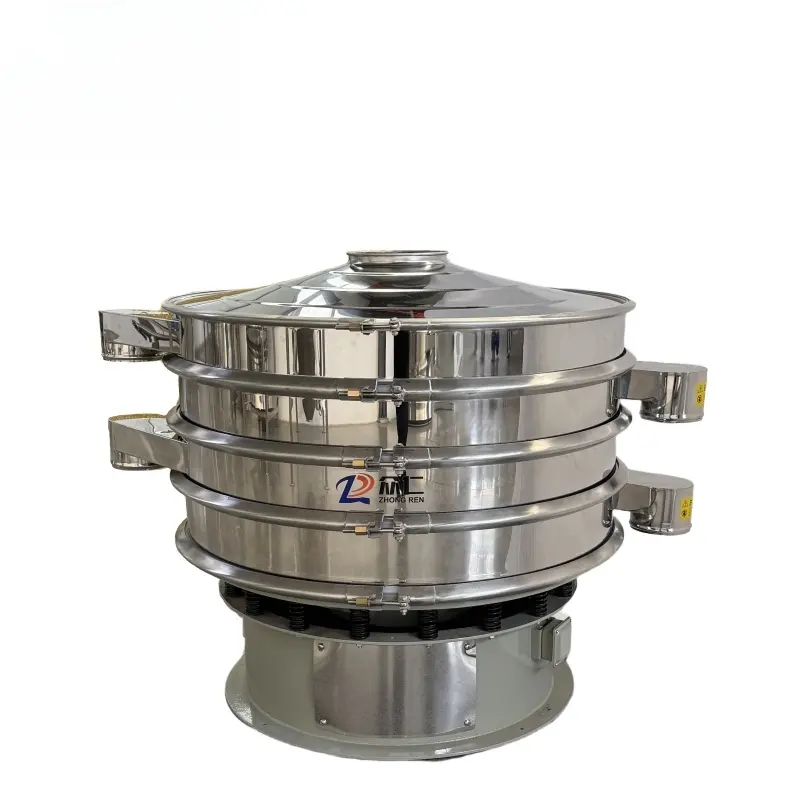
Checking and Maintaining Equipment
If you want to operate a vibrating machine safely, you need to do regular inspections and maintenance. Before using a machine, you should check for loose bolts, damaged wires, and broken screens. These problems could lead to broken machines and could cause people to get hurt while using machines. For example, a screen was needed for a food processing plant. After a screen was found, there were gaps in the material, causing the machine to be out of operation. This example illustrates the need to inspect machines before using them.
Following the maintenance schedule set by the manufacturer is also important. Moving parts should be lubricated regularly to prevent parts from overheating and to make them last longer. Other things, such as vibration springs and motors, should also be replaced when they become worn. This makes sure the machine stays safe to operate. All of these things combined help maintain operational efficiency and safety. This is very important for industries that operate continuously.
Protective Gear and Operator Training
In order to understand the machine mechanics, operational procedures, and emergency protocols, operators should go through rigorous training. They should train on correct start and shutdown procedures, understand the load capacity limits, and learn to identify machine malfunction warning signs. Without training, operators may make damaging and dangerous mistakes, such as overshooting the machine’s load.
Wearing the right personal protective equipment (PPE) is required. Safety goggles protect the eyes from debris, and dust masks filter out the fine particles, which are common in the screening process. Falling debris is a hazard, and to protect the feet, steel toed boots should be worn. Gloves should be worn to protect the hands and to provide grip. These procedures and the guidelines from occupational safety area (OSHA) are crucial to minimizing injuries in the workplace.
Safe Operational Environment and Installation
Safety regarding vibrating machines relies heavily on proper installation. The equipment may be mounted on strong, even surfaces, to avoid the tipping of machines and excessive vibrations. Proper alignment of parts such as conveyors and feed chutes minimizes the machine’s stress and helps to facilitate even material flow. Following the installation manual from the manufacturer and ensuring that professional assistance is available will guarantee high compliance with safety standards.
Keep the operational surroundings neat and unblocked. Keeping the area surrounding the equipment clear provides safe movement and access in case of emergencies. Proper ventilation while working with dusty or flammable materials is very important in controlling and minimizing fire or breathing hazard. Lastly, moving parts should have safety guars to prevent contact. This is especially important to avoid the risk of being tangled or crushed.
Following Load Capacity and Operational Limits
Following the machine’s load capacity is important in order to avoid the risks of safe operation. Overloading can result in the strain of motors, damaged screens, and cause unexpected vibrations that can affect stability. For example, in a chemical processing company, a screen burst because the load was too much, and material was spilling, creating a safety risk. Operators should adjust take the machine parameters into account and adjust the feed rates.
To avoid overheating and fatigue in the components, continuous operation should be avoided. Breaks in operation should be incorporated to let the machine cool to prevent a mechanical failure. Watch the parameters of operation, such as rate of frequency of vibrations and temperature. These to avoid issues. These measures are important to ensure safety and improve the long term performance of the equipment..
Preparedness and Emergency Action Plans
Though adaptable, an important trait of a vibrating machine is that it can be, and should be, used in a variety of optimized circumstances. However, when operating vibrating machines, some sort of emergency action plan is necessary, and if an emergency action plan is in place, if possible, an emergency stop (E-stop) button should be at the vibrating machine operators' fingertips. In case of an injury, in addition to an E-stop button, a first aid kit should be available, and clear action plan should be in place, and it should be well known to all for the kit to be used effectively.
Like a fire drill, emergency action plans should be practiced and observed. Emergency actions should be drawn up, rehearsed, and put in place to cover anything that could go wrong, be it a stopped machine, a loss of power, or a spilled product. These plans should be documented and made available to all operators. The implementation of safety measures is greatly beneficial to the overall safety of an environment; the more endorsed and observed an emergency action plan, the more positive the safety impact is on the immediate working environment.