 EN
EN
The Importance of Selecting Quality Materials
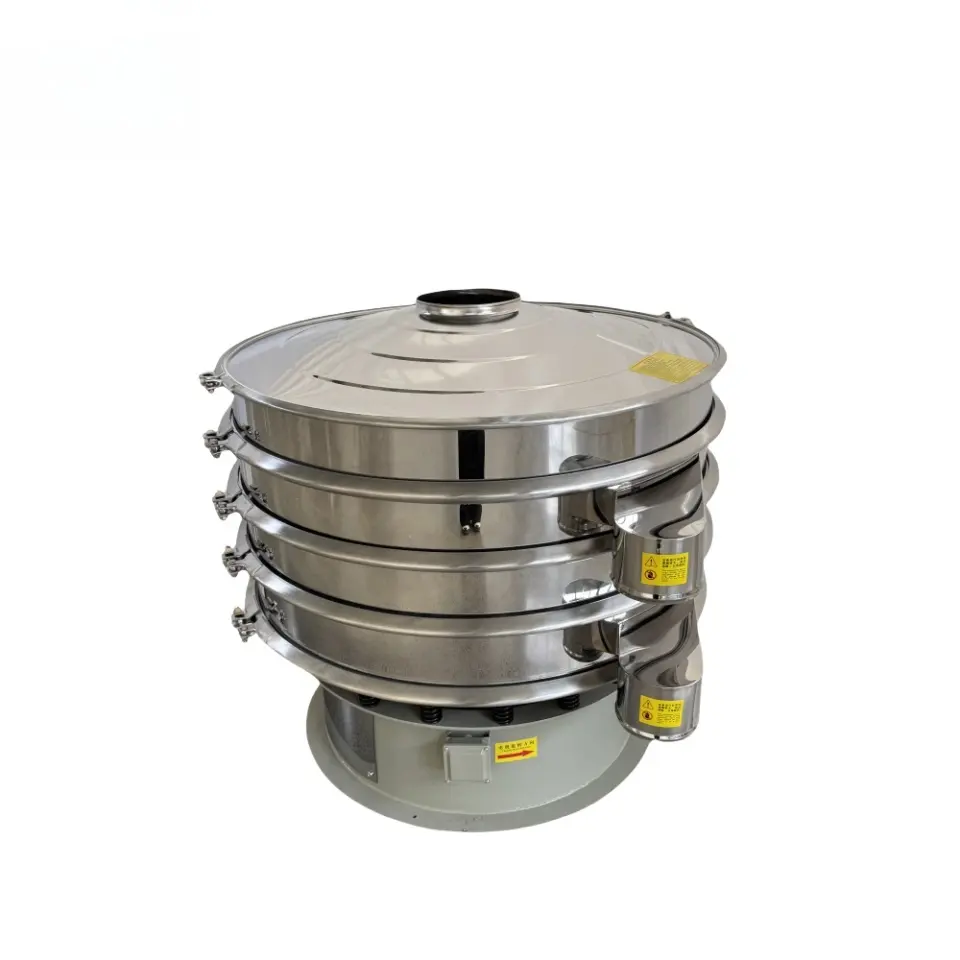
The journey of wear resistance in vibrating screens begins with the first materials used, and this is where strong knowledge of industrial equipment manufacturing becomes very valuable. Tough manganese steel is often used for critical components and screen decks, as it has the ability to harden under impact. This means that as particles hit the surface of the steel, the top most levels of the surface will harden and create a protective, flexible layer. This helps prevent cracking.
Additionally, screens made of polyurethane will offer unique advantages. Polyurethane has very high levels of resistance to abrasion and corrosion. Polyurethane screens, unlike steel screens, will reduce the amount of friction between the screen surface and the material, therefore reducing the screen wear over time. The International Association of Materials Protection and Corrosion Engineers has done industry research that has shown polyurethane components in high abrasion applications, such as screening construction materials or processing minerals, can increase the lifespan of a screen by as much as 300% when comparing steel to polyurethane.
Precision Engineering and Structural Optimizations
A screen’s design determines how long it will last, and structural optimization in design is one way of acting on learned practical experience regarding real-world wear issues. One detail of design is the reinforced frame structure, which ensures even distribution of the vibration that occurs throughout the screen body. Precision-engineered and reinforced frames eliminate the problem of uneven screen body vibration that creates operational wear on screens and are especially valuable in long-duration, high-intensity operational settings.
The screen mesh tensioning system stands as the foremost engineering excellence example. Proper attention to mesh tension ensures that the screen mesh is always tight. In so doing, operational wear is minimized through screen mesh material buildup and screen friction is reduced. Prior to production, operational wear analysis is conducted through the application of advanced finite element methods of analysis, and wear hotspots are determined in simulation. Such an approach has been proven effective in screen design optimization case studies conducted in large scale flour milling and chemical processing plants where screens operated for one year and sustained operational wear at 50% compared to conventional screen design.
Innovative Surface Treatment Technologies
Utilizing advanced surface treatments enables a manufacturer to incorporate additional protective measures against wear. In addition to surface treatments being a means of protective layering, they can be applied to utilize cutting-edge, deep-field methods. Thermal spraying is a commonly used technique. In this case, the coating of wear resistant materials (i.e. tungsten carbide) that is thermally sprayed onto the critical components creates a hard barrier against abrasives such as gravel and metal ores.
Another surface treatment option is laser hardening. This technique chooses to alter the surface structure of steel components, increasing the hardness of the surface while leaving the core intact. Data compiled by The American Society of Mechanical Engineers indicate that laser hardened surfaces are resistant to wear up to five times more than untreated steel Unfortunately, these treatments are more difficult to prove than to apply. An example is the application of these treatments at a soy milk powder production facility. The treated vibrating screens performed optimally for more than 18 months and sustained minimal wear.
Increased durability and customer trust
The manufacturing and design stages of production include thorough quality control and testing in order to gain and keep customer trust. To ensure the design specifications are met, screening decks are subjected to ultrasonic testing of the thickness and uniformity of the material in a quality control step. Each screening deck is tested.
Screens are subjected to testing to determine how they would hold up during regular use in industrial operations. To accomplish this, vibrating screens are used in a test environment for hundreds of hours. Engineers are then able to identify weakening issues and resolve them. The product is then sent to the customer. The quality testing and control process is extensive, and as a result of this quality commitment, many customers report their screens sustaining efficiency throughout years of use in harsh environments.
High Commercial Value of Screens
Vibrating screens, which are resistant to wear, are a prime example of how commercial value is created in an organization. When wear is reduced, screens are less subject to replacement and repair. This helps to keep production lines running, and, for a chemical plant using wear-resistant screens, contributed to a 40% reduction in downtime associated with maintenance. This means increased productivity and decreased revenue loss.
Another important benefit is lower operational costs. Due to screen longevity and reduced maintenance, screens save businesses time on screen replacement, and screen maintenance, labor costs, and related costs. Also, screens maintain consistent screening accuracy for longer, ensuring high product quality. This is especially important for industries like pharmaceuticals, and food processing, where customer trust and regulatory compliance are impacted by product consistency. Industry professionals believe most manufacturing locations wearing out screens will realize a return on their investment in screens in 6 to 12 months.