Product Application
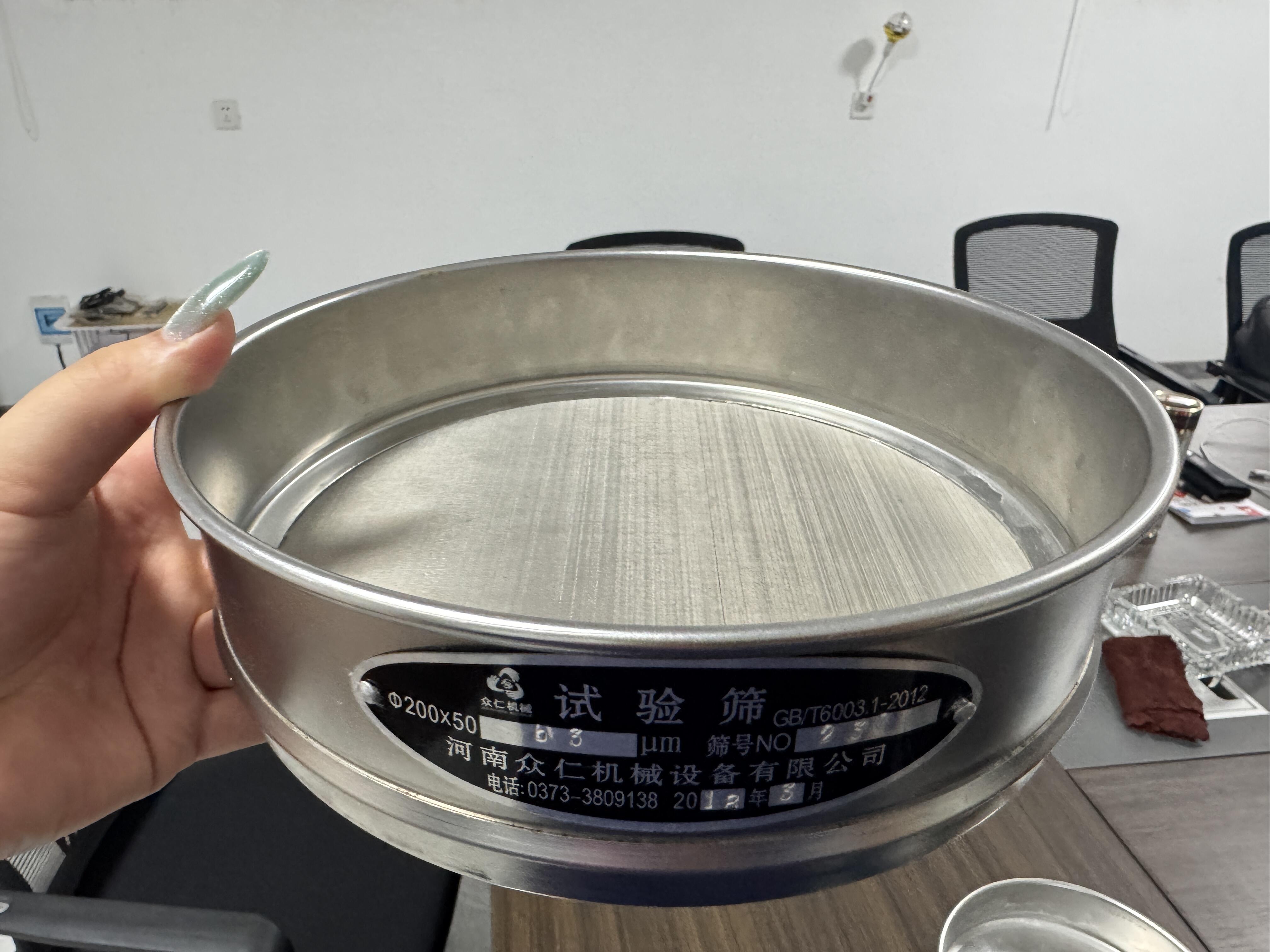
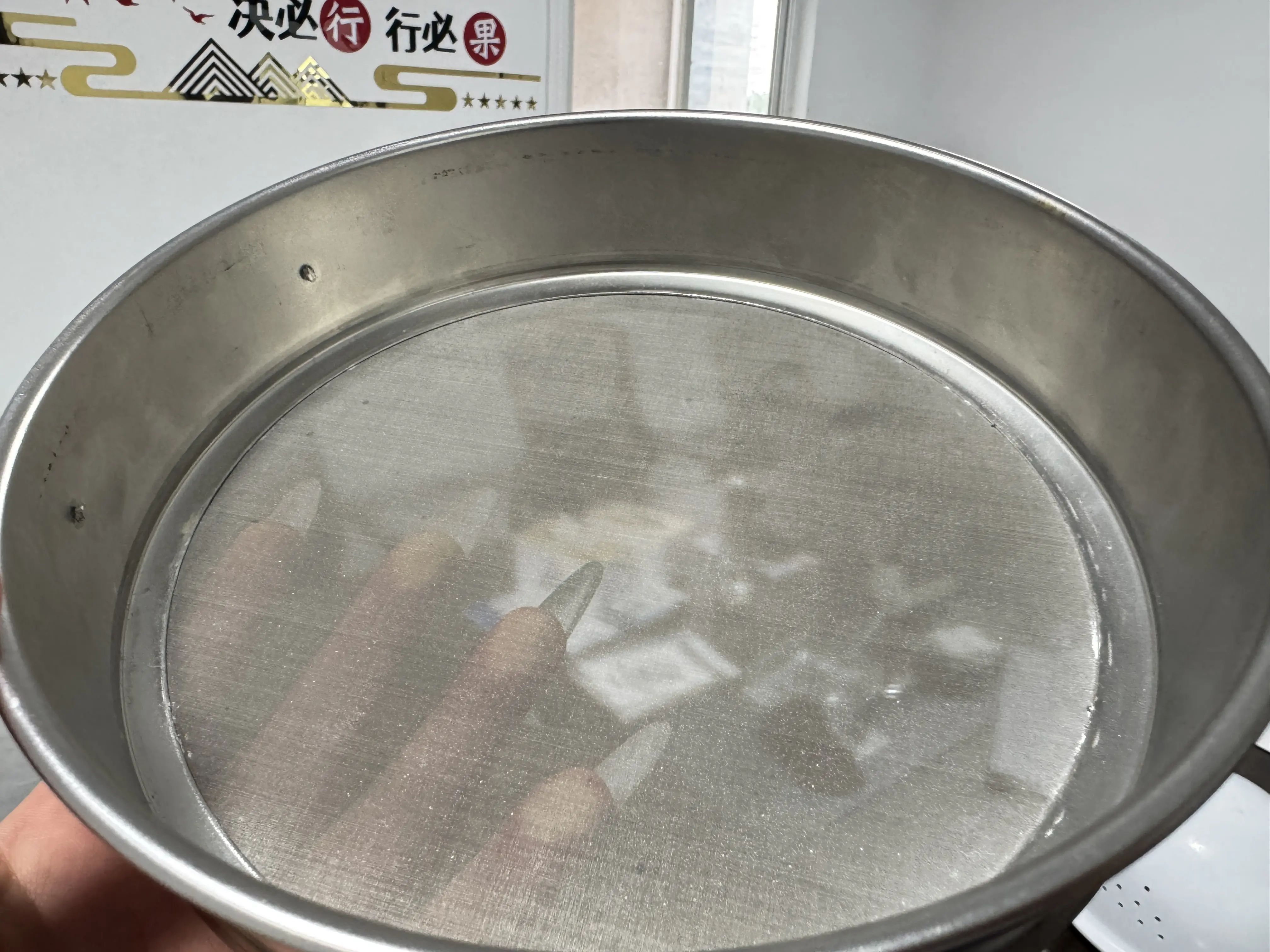
The sieve for laboratory is an essential tool with broad applicability across a wide range of industries and research environments. It is widely used in scientific research institutions, university laboratories, quality control testing rooms, and analytical facilities, where precise particle size analysis and material classification are critical to product development, quality assurance, and regulatory compliance.
In the food industry, laboratory sieves are used to analyze flour, sugar, spices, cocoa, and other dry ingredients to ensure uniform particle size, which directly impacts texture, flavor, and processing efficiency. In the pharmaceutical industry, these sieves play a vital role in the production of powders, tablets, and capsules by ensuring the proper particle size distribution for drug efficacy, dissolution rates, and dosage accuracy. They help manufacturers meet stringent regulatory standards such as USP, FDA, and GMP.
The chemical industry relies on laboratory sieves for the classification of fine chemicals, pigments, catalysts, and raw materials used in synthesis and formulation. In abrasives and coatings, sieves are used to grade fine particles such as aluminum oxide, silicon carbide, and other superhard materials, ensuring consistency in product performance and application. Similarly, in the pigment and cosmetics industries, they help achieve the desired fineness and smoothness in products like makeup, foundations, and dyes.
In mining, metallurgy, and geology, laboratory sieves are indispensable for analyzing ore samples, soil compositions, and mineral gradations. They assist in determining the particle size distribution of crushed minerals, which is crucial for beneficiation, smelting, and material evaluation. Geologists and environmental scientists also use them in soil and sediment analysis for research and field studies.
The ceramics industry uses laboratory sieves to classify raw materials such as clay, feldspar, and silica to ensure the proper consistency and purity needed for high-quality ceramic products. In national defense and advanced materials research, these sieves are employed in the classification of superhard materials, nanomaterials, and specialty powders used in aerospace, defense systems, and cutting-edge technologies.
Whether in academic research, industrial production, or quality inspection processes, the laboratory sieve provides an efficient, reliable, and accurate means of particle separation, supporting innovation, safety, and quality across countless applications.
20
Jul
20
Jul
20
Jul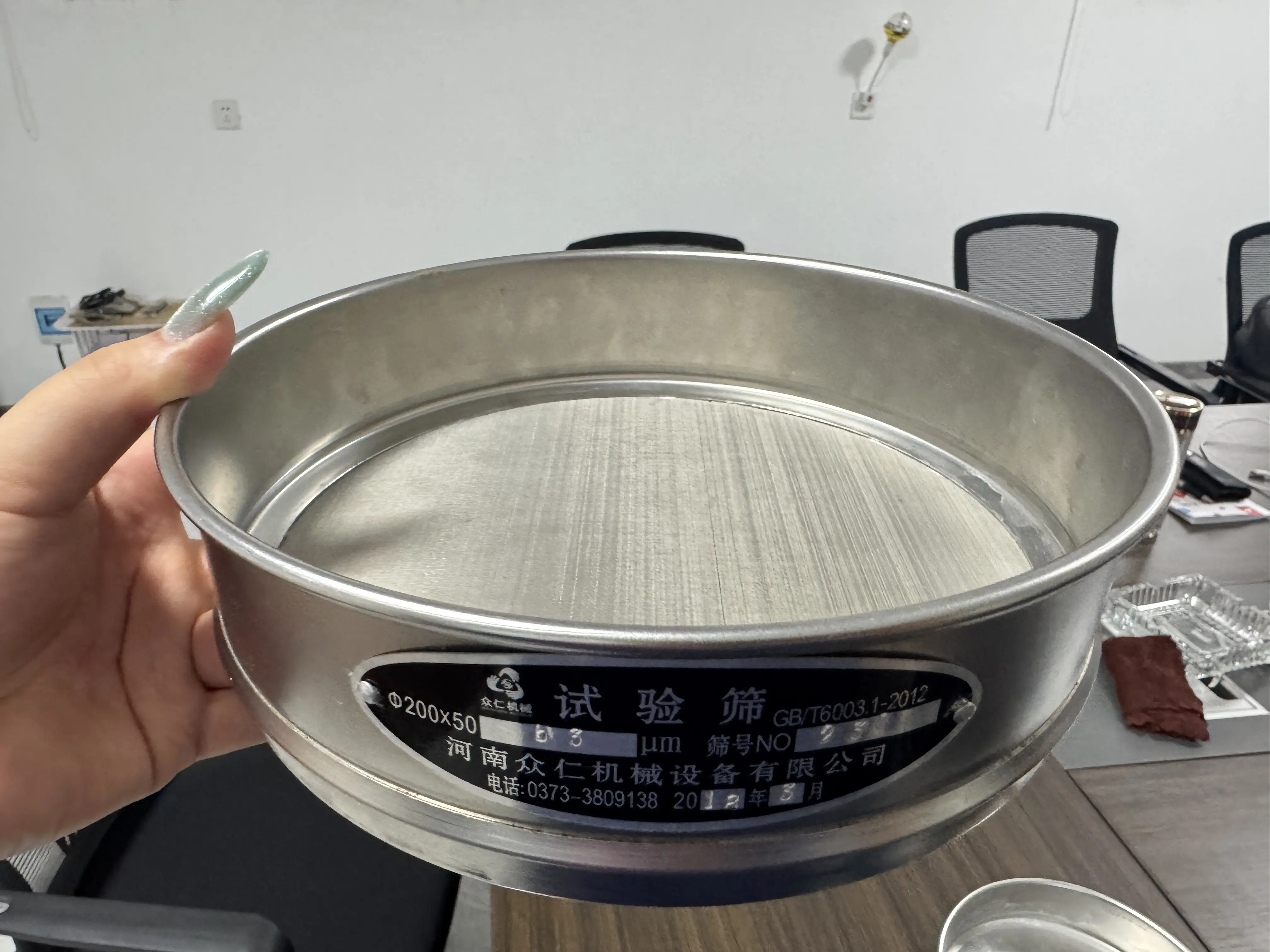
20
Jul
These ASTM-certified test sieves revolutionized our lab's particle analysis. The laser-etched mesh and stainless steel frame eliminated measurement drift—we finally trust our gradation data

For organic compost screening, the 75μm sieve catches fines without clogging. Paid for itself in 3 weeks by recovering 22% more sellable product from waste streams.


Copyright © Henan Zhongren Machinery Equipment Co., Ltd.
 EN
EN