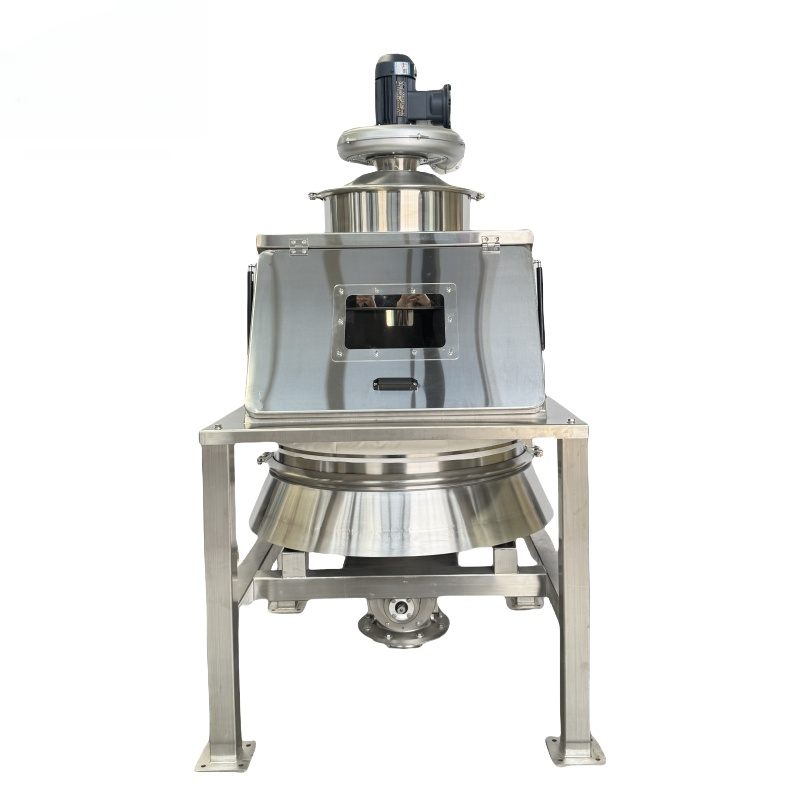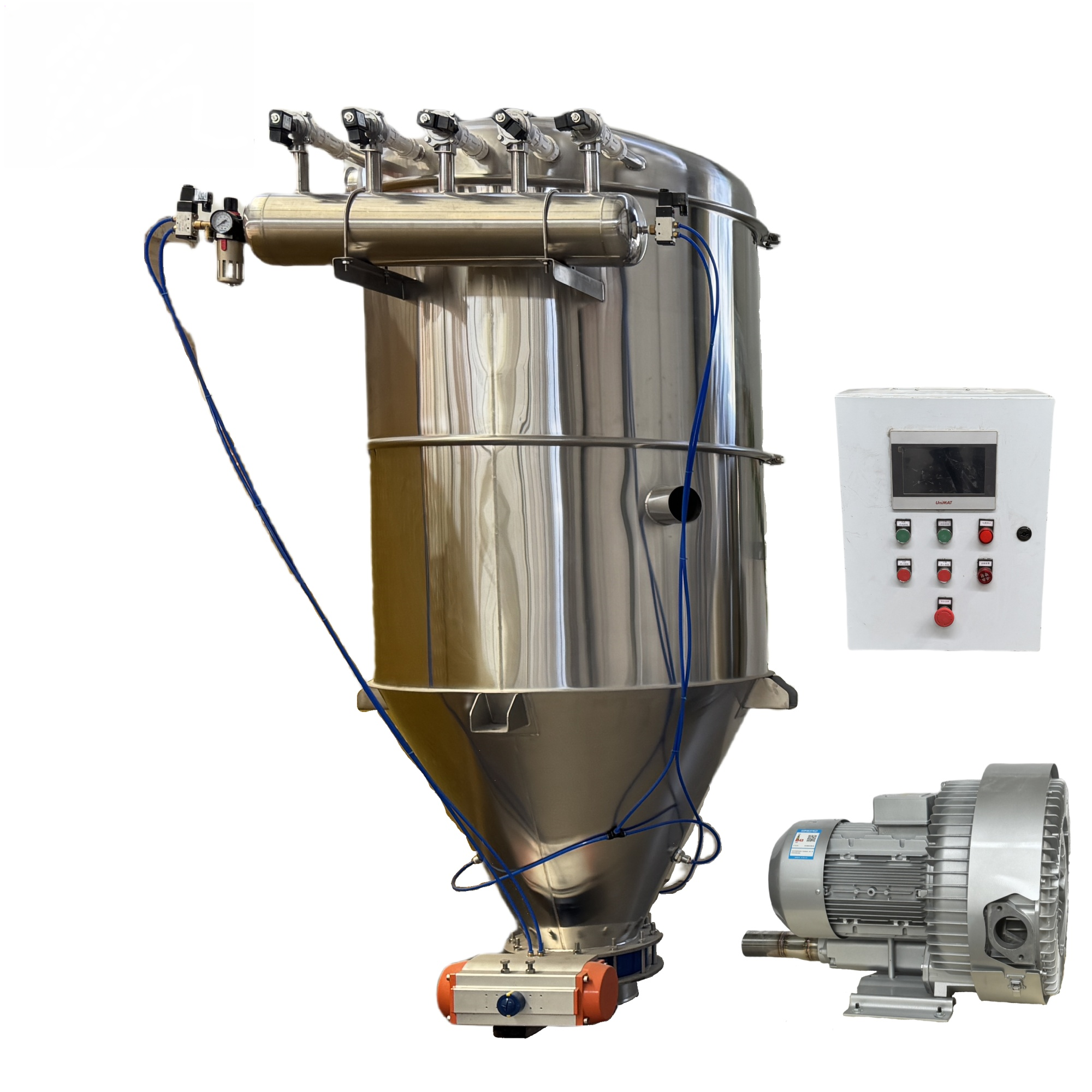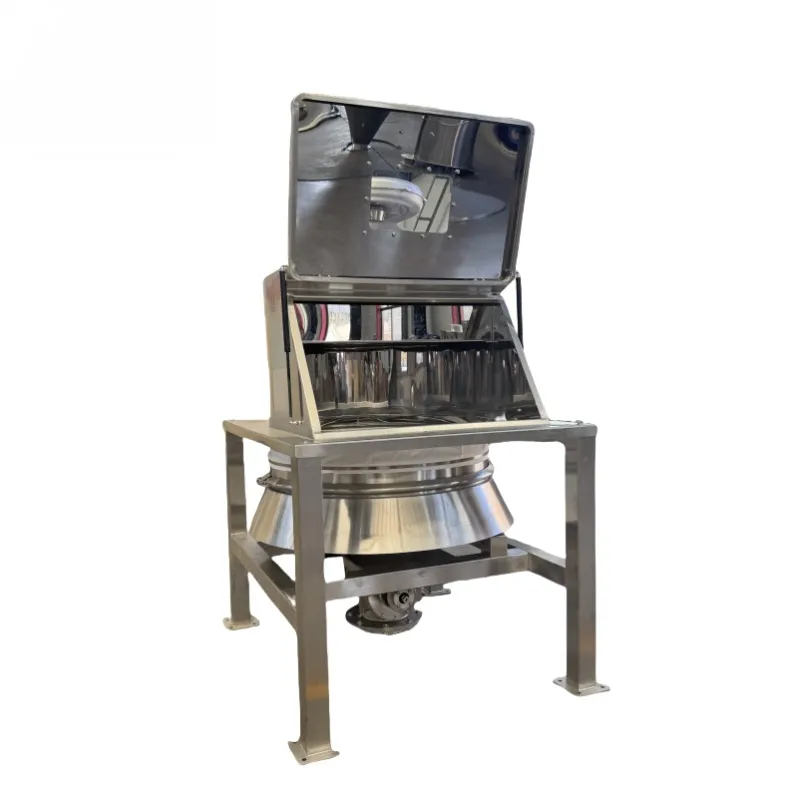
Why are conveyor systems and material handling equipment at the core of modern operations?
In today's fiercely competitive market, efficient material handling has transcended the realm of convenience to become a core pillar of corporate profitability and productivity. Conveyor systems and integrated material handling equipment transform chaotic production processes into automated, predictable, and precise operations. This transformation directly addresses key pain points in the industrial sector: According to a study by Industry Week, manual handling wastes 30-50% of operational time, while automated conveying systems can increase throughput by up to 200%, completely eliminating production bottlenecks. More importantly, these systems can operate continuously 24/7, significantly reducing the impact of labor shortages on production capacity, and eliminating human error through standardized operations, ensuring precision throughout the entire process from raw materials to finished products.
Actual economic benefits of cost reduction and efficiency improvement
The cost optimization brought by material handling automation is reflected in multiple dimensions. By replacing manual handling, enterprises can reduce labor costs by up to 70% (MHI report), freeing up human resources to focus on high-value-added processes. Additionally, specialized equipment (such as buffer conveyors and guiding transfer systems) can reduce product damage rates by 25-40%, directly safeguarding corporate profits. In terms of space utilization, innovative designs like multi-layer spiral conveyors and overhead suspension systems free up over 30% of floor space, transforming former storage areas into value-added production zones. These benefits collectively form a rapid return on investment model, with most projects achieving full cost recovery within 18-24 months.
Dual safeguards for safety compliance and risk prevention
Conveying equipment offers irreplaceable value in reducing operational risks. They directly address the most commonly reported violations by the Occupational Safety and Health Administration (OSHA) by eliminating the need for manual handling of heavy loads, thereby reducing musculoskeletal injuries by 90%. In sensitive industries such as chemicals, food, and pharmaceuticals, enclosed conveying systems control dust dispersion, meeting the stringent standards of agencies like the Food and Drug Administration (FDA) and the Mine Safety and Health Administration (MSHA). Built-in safety sensors and emergency stop devices prevent serious accidents such as forklift collisions and cargo overturns at the source, minimizing workers' compensation claims and downtime losses.
Future-proof scalability advantages
Modular design grants modern conveying systems exceptional adaptability. When business needs change, adjusting conveying sections, adding shuttle carts, or integrating telescopic loading machines can address fluctuations in production capacity peaks. These systems seamlessly integrate with WMS/ERP systems, enabling real-time inventory tracking and data-driven decision-making. Notably, 85% of industrial-grade conveying platforms are pre-equipped with IoT interfaces, paving the way for intelligent upgrades such as AI sorting and robotic palletizing, thereby avoiding future redundant investments.

30
May
29
May
18
Jun
"Before installation, manual handling was killing our production speed and safety records. Since implementing this system, our line efficiency jumped by 40%. The ROI was clear within months – reduced labor costs and zero handling injuries in 18 months. Seamless integration with our packaging line was the cherry on top."

"We struggled with product damage during transfer for years. This gentle conveying solution eliminated breakage completely while meeting strict FDA sanitation standards. Maintenance is surprisingly simple, and downtime dropped by 70%. Worth every penny for quality-sensitive industries."


Copyright © Henan Zhongren Machinery Equipment Co., Ltd.
 EN
EN