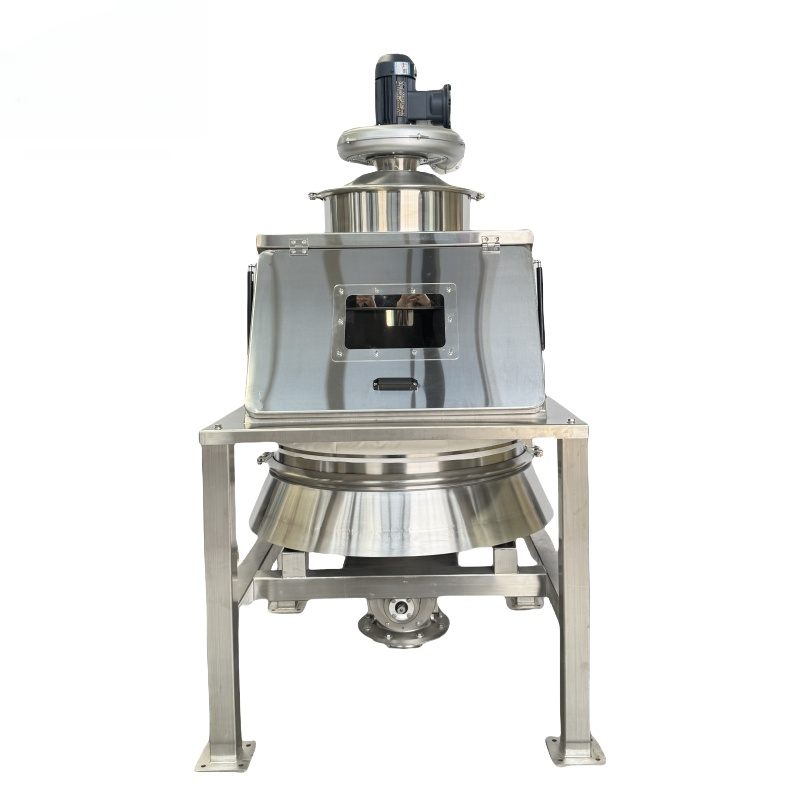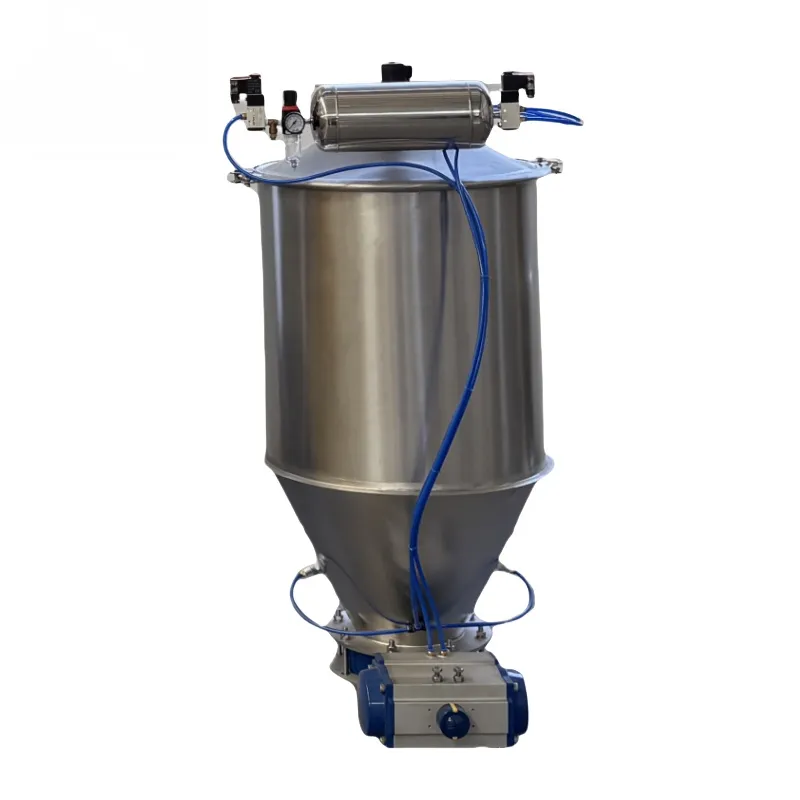
In modern industrial operations, conveying systems have become strategic solutions for enhancing core competitiveness. As the lifeblood of factories, warehouses, and logistics centers, they eliminate efficiency bottlenecks caused by manual handling through automated material transportation. Data shows that customized conveying systems can achieve a 30-70% increase in throughput, directly converting operational efficiency into corporate profits.
For cost-sensitive enterprises, the value of such systems is particularly evident. By replacing repetitive manual handling tasks, companies can reduce labor costs by up to 50% while reallocating human resources to high-value-added roles such as quality control and process optimization. In the context of increasingly scarce warehouse space, modularly designed conveying equipment can overcome physical limitations—suspended and compact structures can free up over 30% of floor space, redefining layout designs aligned with lean production principles.
In terms of quality and safety, professional conveying systems offer unparalleled assurance. For sensitive industries such as food processing, pharmaceuticals, and electronics, contamination-resistant stainless steel materials, low-friction conveyor belts, and cushioned turning designs can reduce product damage rates by over 25%. This “zero-contact” conveying mode ensures product integrity while meeting stringent certification standards such as HACCP and GMP.
In the face of market fluctuations and supply chain challenges, scalable conveying systems are key to a company's resilience. Modular components seamlessly integrate with AGV carts, sorting robots, and IoT sensors to enable dynamic adjustments to production capacity. Whether responding to surges in e-commerce orders during peak seasons or adapting to new product line expansions, the system can be quickly upgraded using plug-and-play components, ensuring sustained growth in return on investment.

30
May
29
May
18
Jun
"Before installation, manual handling was killing our production speed and safety records. Since implementing this system, our line efficiency jumped by 40%. The ROI was clear within months – reduced labor costs and zero handling injuries in 18 months. Seamless integration with our packaging line was the cherry on top."

"We struggled with product damage during transfer for years. This gentle conveying solution eliminated breakage completely while meeting strict FDA sanitation standards. Maintenance is surprisingly simple, and downtime dropped by 70%. Worth every penny for quality-sensitive industries."


Copyright © Henan Zhongren Machinery Equipment Co., Ltd.
 EN
EN