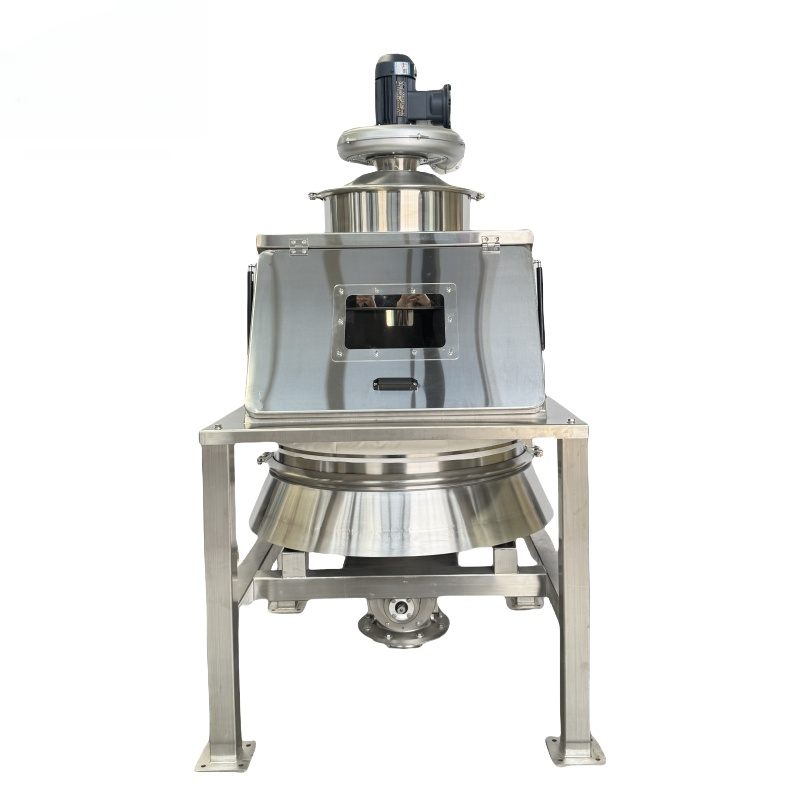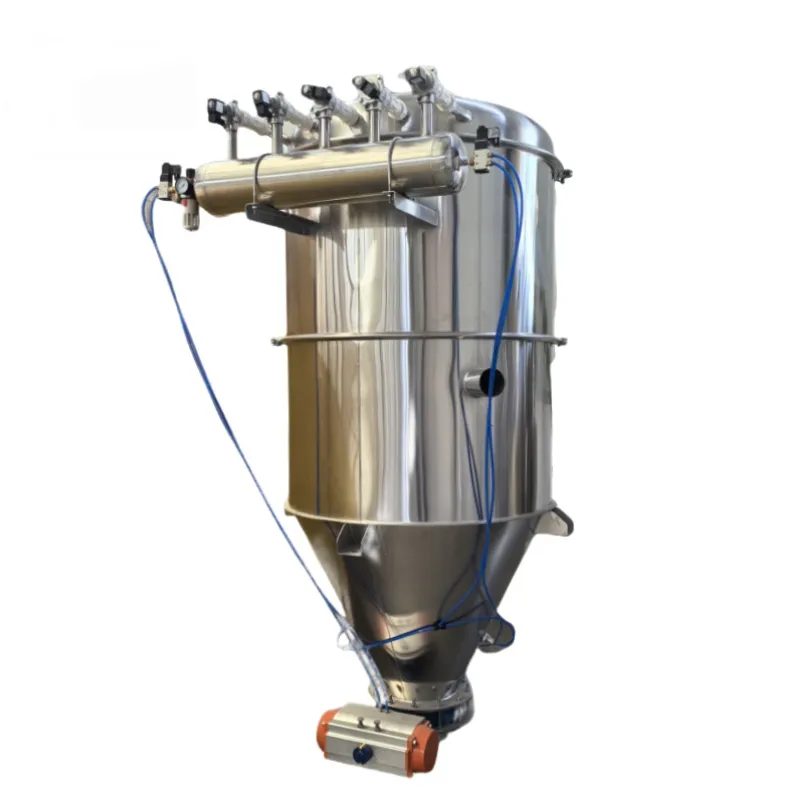
Feeding conveyors, as the core hub of modern industrial material handling systems, are currently experiencing an unprecedented period of application expansion. Their core value lies in addressing the industry-wide challenge of precise feeding control, and they have deeply penetrated key sectors such as mineral processing, construction aggregates, and the circular economy. In mining and mineral processing applications, these devices stabilize the feed rate of ore (e.g., when paired with jaw crushers or ball mills), effectively preventing equipment overload and blockages. They also utilize wear-resistant chain plate feeders to handle highly abrasive tailings slurry. In the construction aggregate industry, vibrating feeders precisely regulate the conveying volume of sand, gravel, and limestone to washing equipment or screening lines in quarry production lines, ensuring continuous and uniform feeding of cement and aggregates at concrete mixing plants.
In the green economy sector, feeding conveyors are emerging as a technical cornerstone of the circular supply chain. Recycling plants utilize heavy-duty plate-type feeding systems to achieve controlled feeding of municipal solid waste (MSW) into incineration power generation equipment, while resource recovery sorting centers employ them to reliably sort mixed recyclables such as metals, plastics, and paper, directly enhancing waste crushing and sorting efficiency. In the agricultural food processing sector, sanitary-grade belt feeders meet stringent requirements, ensuring the integrity of raw materials like grains and flour during transportation while enabling contamination-free, precise feeding into baking and mixing equipment.
In response to the Industrial 4.0 upgrade trend, feed conveyors are accelerating their evolution toward intelligence and sustainability. Their application scenarios are expanding into the new energy sector—such as fuel precise feeding systems in biomass power plants or metal scrap material conveying control in battery recycling production lines. The integration of IoT technology enables equipment to monitor material flow in real time and predict maintenance needs, directly empowering energy efficiency optimization in smart factories. In the context of global industrial transformation, the chemical manufacturing industry is widely adopting loss-in-weight screw feeders to address challenges such as bridging and jet flow during material discharge from silos, achieving fully automated material supply coordination in continuous production processes like coating and drying.

30
May
29
May
18
Jun
"Before installation, manual handling was killing our production speed and safety records. Since implementing this system, our line efficiency jumped by 40%. The ROI was clear within months – reduced labor costs and zero handling injuries in 18 months. Seamless integration with our packaging line was the cherry on top."

"We struggled with product damage during transfer for years. This gentle conveying solution eliminated breakage completely while meeting strict FDA sanitation standards. Maintenance is surprisingly simple, and downtime dropped by 70%. Worth every penny for quality-sensitive industries."


Copyright © Henan Zhongren Machinery Equipment Co., Ltd.
 EN
EN