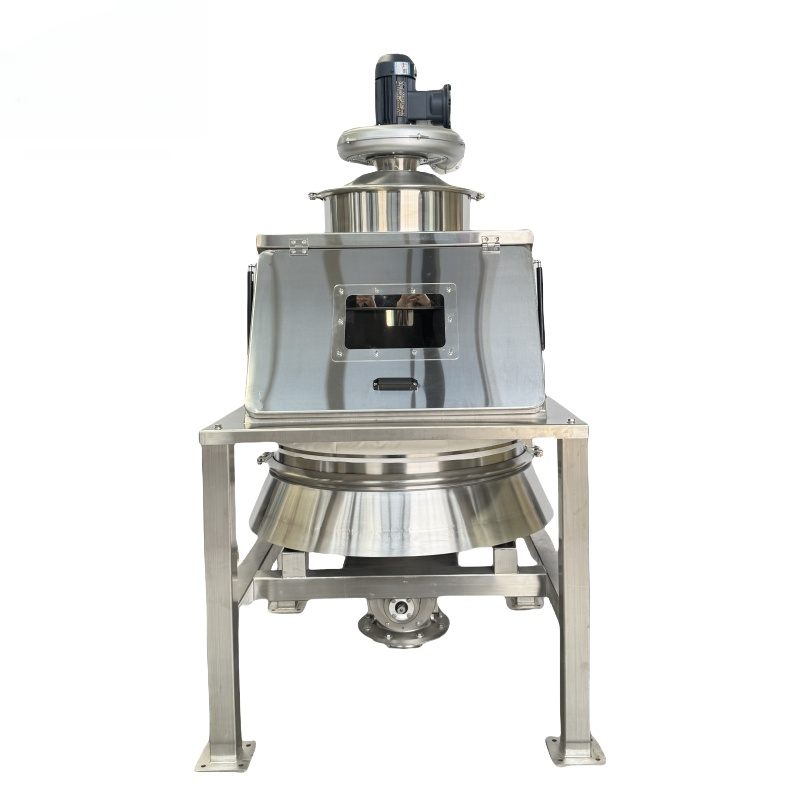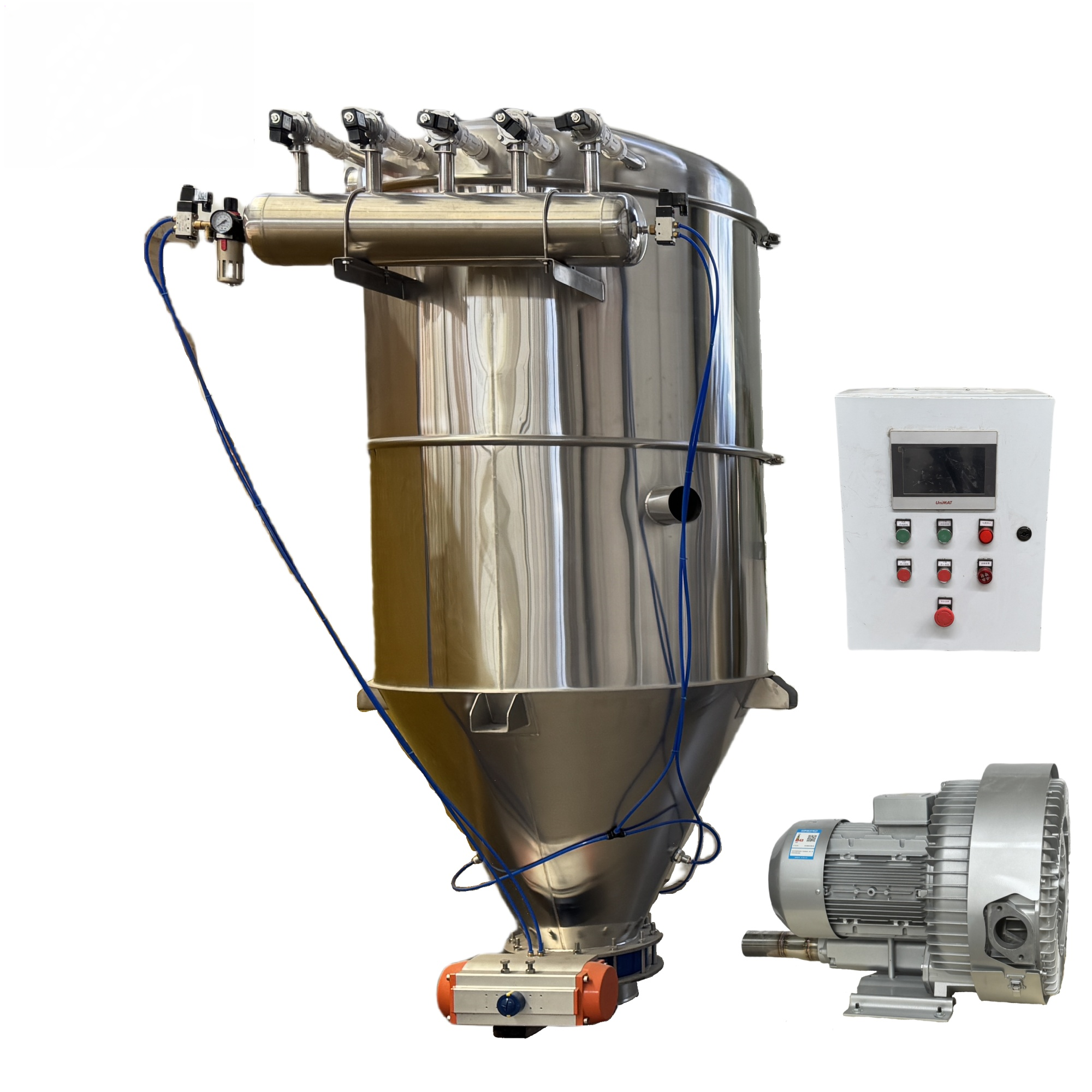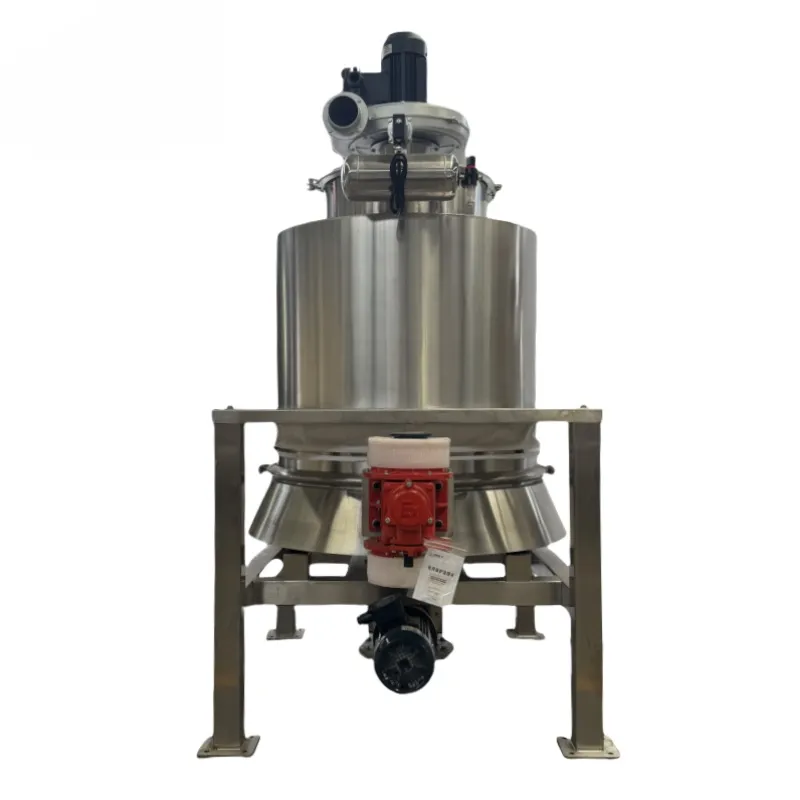
In modern manufacturing and logistics operations, industrial conveying systems have long transcended their role as basic material handling tools, becoming the core engine driving corporate competitiveness. These systems have completely revolutionized traditional production models through full-process automation: labor costs alone can be reduced by 25%-70%, and by replacing high-intensity repetitive labor, they not only reduce the risk of work-related injuries but also free up human resources to focus on high-value innovation. simultaneously achieving a 30%-50% increase in production capacity—precisely coordinated transmission rhythms eliminate process gaps, while eliminating cargo damage caused by manual handling and pushing overall equipment effectiveness (OEE) to new heights.
Safety and compliance have also seen systematic breakthroughs, with intelligent emergency stop devices and customized protective structures eliminating high-risk operational scenarios at the source, significantly reducing OSHA accident rates and associated insurance costs. Addressing the common pain point of space constraints, modular conveyor lines can be vertically expanded or dynamically reorganized, freeing up 20%-40% of floor space and directly converting idle areas into production units.
More importantly, its forward-looking investment value: the architecture supporting on-demand expansion seamlessly integrates with intelligent upgrades such as automated sorting and AGV collaboration, ensuring continuous operation for over 20,000 hours with annual maintenance costs below 2% of the equipment's total value, thereby avoiding millions of dollars in losses resulting from production line interruptions. When enterprises position conveying systems as strategic infrastructure rather than cost items, empirical data shows that they achieve investment recovery in an average of 18 months and continuously empower 24/7 flexible production capacity, order delivery stability, and brand premium capabilities—this is precisely the core logic of the Industry 4.0 era, which transforms material handling from a cost center into a profit driver.

30
May
29
May
18
Jun
"Before installation, manual handling was killing our production speed and safety records. Since implementing this system, our line efficiency jumped by 40%. The ROI was clear within months – reduced labor costs and zero handling injuries in 18 months. Seamless integration with our packaging line was the cherry on top."

"We struggled with product damage during transfer for years. This gentle conveying solution eliminated breakage completely while meeting strict FDA sanitation standards. Maintenance is surprisingly simple, and downtime dropped by 70%. Worth every penny for quality-sensitive industries."


Copyright © Henan Zhongren Machinery Equipment Co., Ltd.
 EN
EN