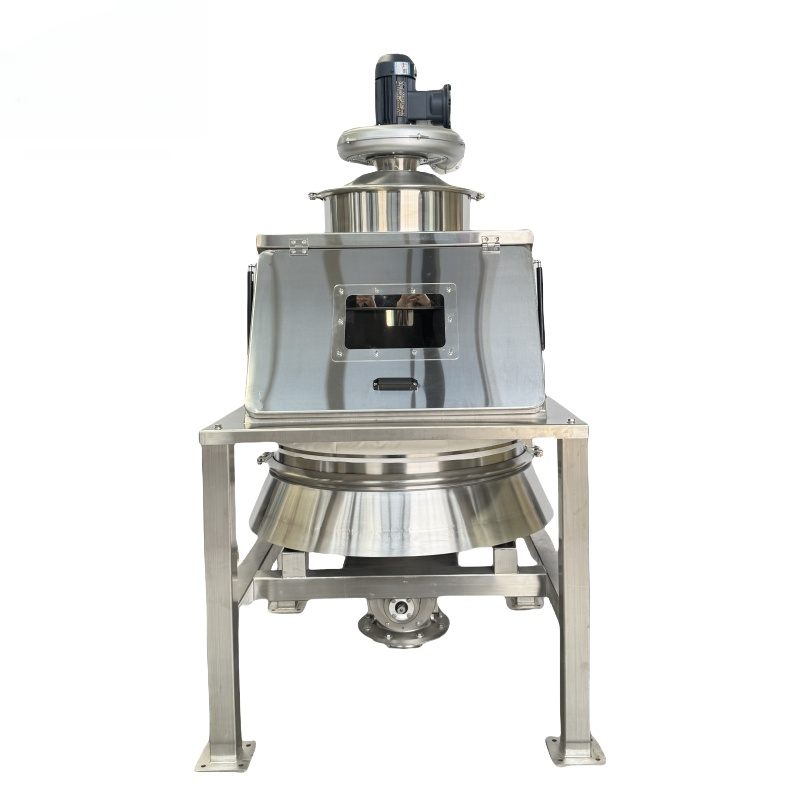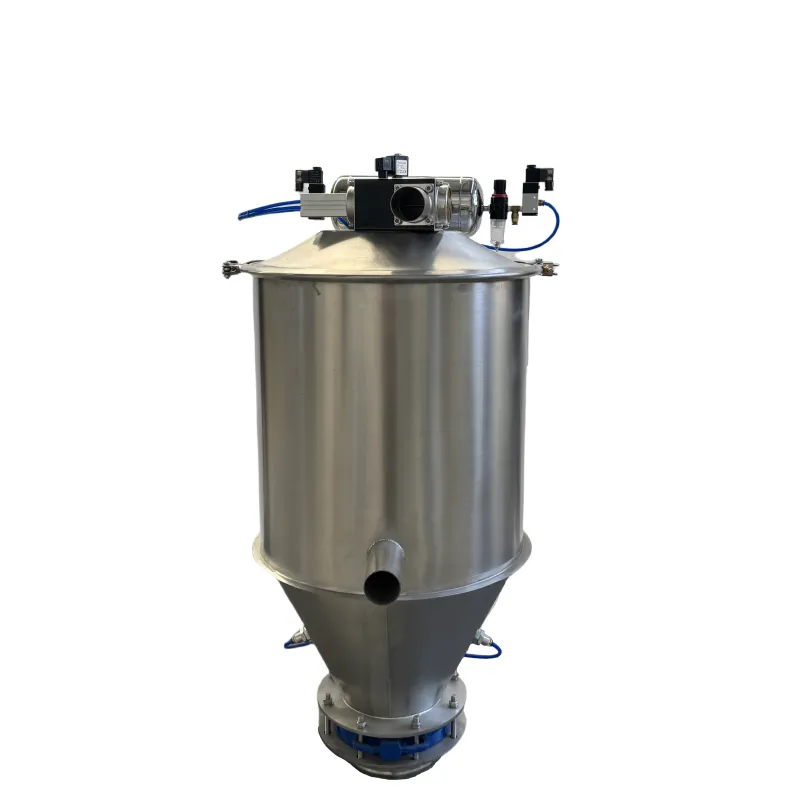
Pneumatic Conveying Systems: Pioneering a New Era of Efficient Material Handling Across Multiple Industries
Pneumatic conveying systems, with their core advantages of dust-free operation, high space utilization, and strong material adaptability, are emerging as a key solution for material handling in the Industry 4.0 era. In the food and beverage industry, FDA-certified stainless steel systems safely transport raw materials such as flour, sugar, and coffee beans, eliminating the risk of cross-contamination; in the pharmaceutical sector, systems compliant with cGMP/ISO standards achieve over 99% seal integrity for the transportation of active pharmaceutical ingredients; and in the chemical and plastics industry, explosion-proof (ATEX) systems demonstrate exceptional safety when handling sensitive materials like pigments and resins. In the mining and construction materials sector, wear-resistant pipe designs enhance transportation efficiency by 40% for high-wear materials like cement and silica sand, while reducing equipment maintenance frequency.
Technological breakthroughs addressing industry pain points
The three major challenges faced by traditional mechanical conveying—dust pollution, material breakage, and spatial constraints—are being innovatively addressed by pneumatic conveying systems: sealed pipelines combined with dust-free valve technology meet OSHA/NEA environmental standards, low-speed dense-phase conveying modes provide damage-free transportation solutions for fragile materials such as grains and battery materials, and flexible pipeline layouts can save over 30% of factory space. Especially for abrasive materials, system components with special alloy linings can extend component lifespan by up to five times, significantly reducing downtime losses.
Future prospects for intelligent applications
With the deep integration of Industry 4.0, the next-generation system is achieving real-time monitoring of material flow through pressure and temperature sensors, while AI-driven energy-saving modules reduce compressed air energy consumption by 25%. Modular design enables the system to cover all application scenarios from laboratory pilot testing to large-scale production, shining in emerging fields such as lithium-ion battery materials and plastic recycling. Compared to traditional conveying equipment, pneumatic systems save 15-40% energy and completely eliminate lubricant contamination, making them a core infrastructure for carbon-neutral factories.
Sustainability Value Highlighted
Currently, over 200 food and pharmaceutical companies worldwide have achieved green production certification through this system, reducing dust explosion risks while improving raw material utilization rates. Industry data shows that the average investment payback period for pneumatic conveying retrofit projects has been reduced to 18 months, with a 34% reduction in lifecycle operational costs. This revolutionary technology will continue to reshape the modern industrial material handling ecosystem.

30
May
29
May
18
Jun
"Before installation, manual handling was killing our production speed and safety records. Since implementing this system, our line efficiency jumped by 40%. The ROI was clear within months – reduced labor costs and zero handling injuries in 18 months. Seamless integration with our packaging line was the cherry on top."

"We struggled with product damage during transfer for years. This gentle conveying solution eliminated breakage completely while meeting strict FDA sanitation standards. Maintenance is surprisingly simple, and downtime dropped by 70%. Worth every penny for quality-sensitive industries."


Copyright © Henan Zhongren Machinery Equipment Co., Ltd.
 EN
EN