The Strategic Value of Portable Vibrating Screens: Redefining New Standards for On-Site Material Handling
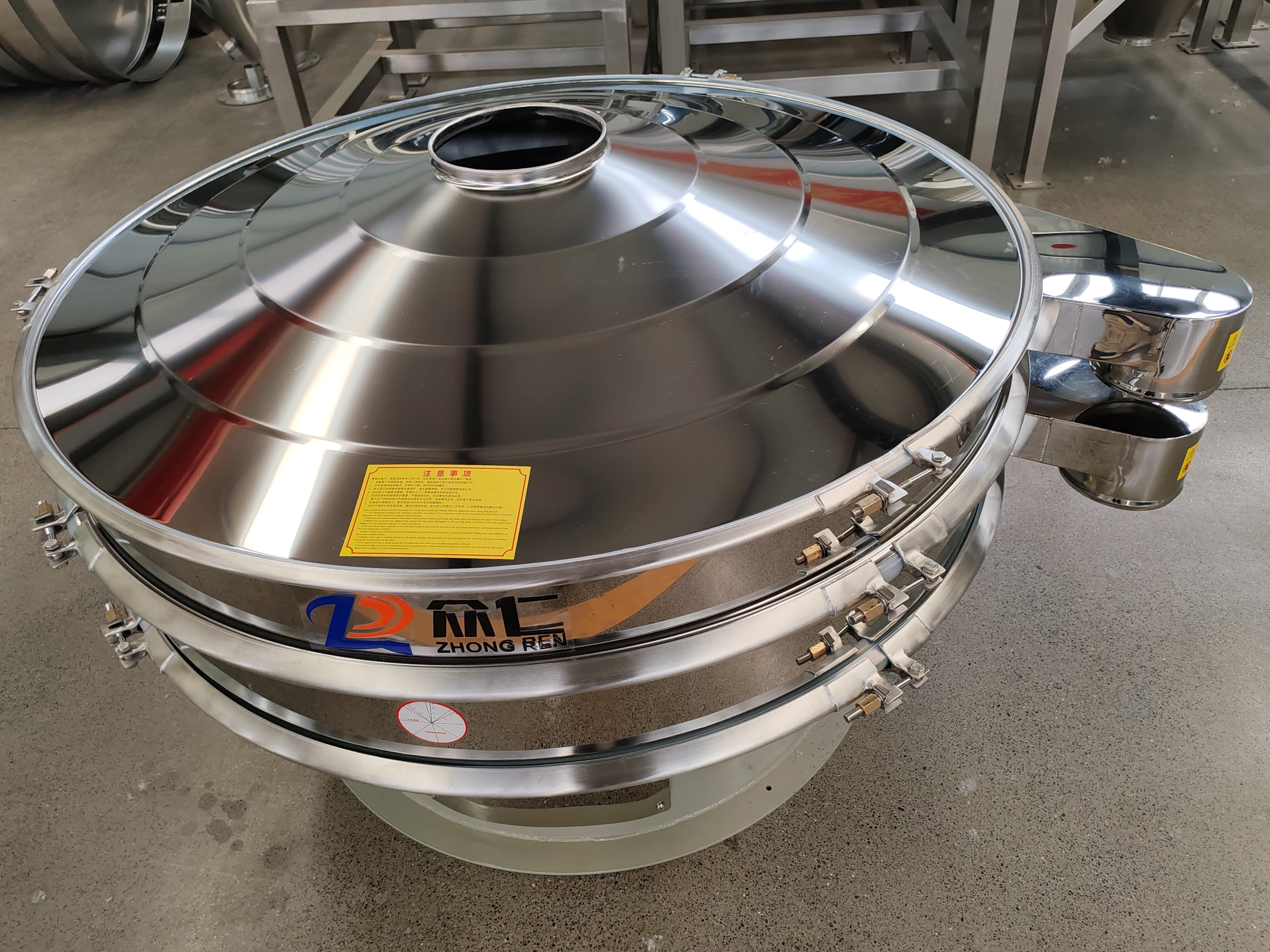
In fast-paced industrial operations, portable vibrating screens have emerged as a transformative solution for the construction, mining, recycling, and landscaping industries by breaking free from the limitations of fixed screening plants. Their core value lies in deploying high-efficiency screening capabilities directly at the source of raw materials—whether it’s remote mining sites, noisy demolition sites, or landscaping projects requiring precise soil processing. The equipment can begin production within minutes of arriving on-site. This “mobile factory” model completely eliminates the cost trap of double raw material transportation: users no longer need to transport untreated soil, aggregates, or waste materials long distances to fixed facilities, saving up to 40% in logistics costs through a single transportation step, while avoiding secondary loading fees and project delays caused by raw material accumulation.
The deeper significance lies in its restructuring of the profitability of the entire process. When contractors can instantly separate high-value materials (such as sand and gravel aggregates that meet gradation standards and humus soil that can be sold directly) from waste materials on-site, the improved raw material conversion rate directly translates into profit growth. For example, in construction waste recycling, a single unit can sort out 30 tons of reusable concrete aggregates per hour, turning waste piles into cash flow. This dynamic resource optimization capability, combined with the robust support of a diesel/electric dual-power system for field operations, enables companies to seize market opportunities in scenarios where traditional screening equipment cannot reach, such as remote infrastructure projects and disaster response scenarios.
Environmental compliance constitutes another competitive advantage. By reducing truck transportation frequency through localized processing, carbon emissions are significantly reduced, helping companies achieve LEED certification; and the screening process is equipped with a closed dust suppression system, enabling projects to proceed sustainably even in densely populated or ecologically sensitive areas. As global policies tighten regarding the circular economy (C&D waste recycling rates must reach 70%) and zero-emission construction sites, this equipment has evolved from an efficiency tool to a strategic asset for corporate compliance and survival, continuously empowering users to build a competitive advantage in the resource regeneration sector.

30
May
29
May
18
Jun
"Before installation, manual handling was killing our production speed and safety records. Since implementing this system, our line efficiency jumped by 40%. The ROI was clear within months – reduced labor costs and zero handling injuries in 18 months. Seamless integration with our packaging line was the cherry on top."

"We struggled with product damage during transfer for years. This gentle conveying solution eliminated breakage completely while meeting strict FDA sanitation standards. Maintenance is surprisingly simple, and downtime dropped by 70%. Worth every penny for quality-sensitive industries."


Copyright © Henan Zhongren Machinery Equipment Co., Ltd.
 EN
EN