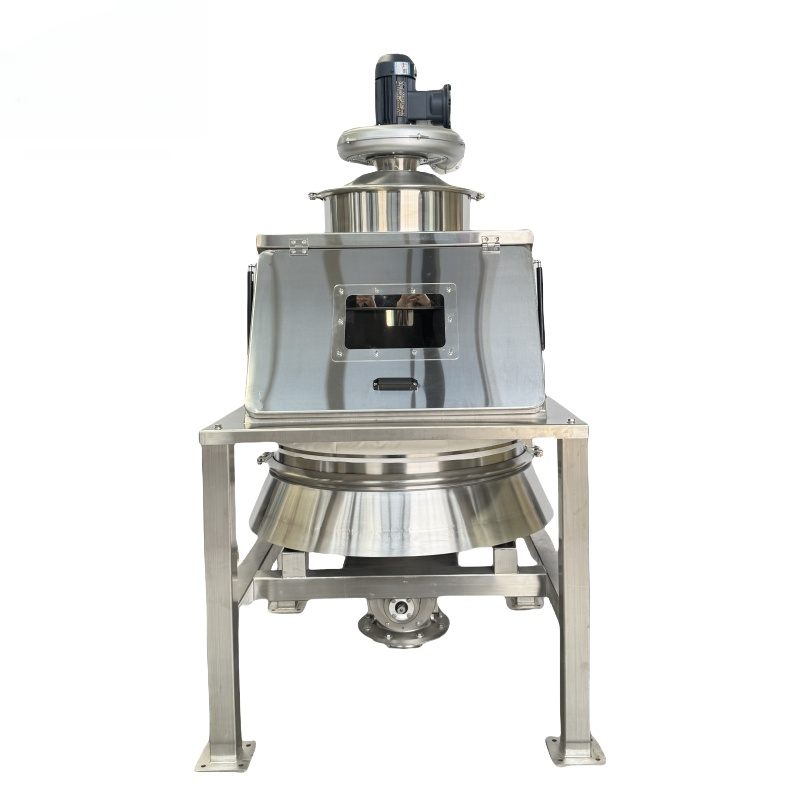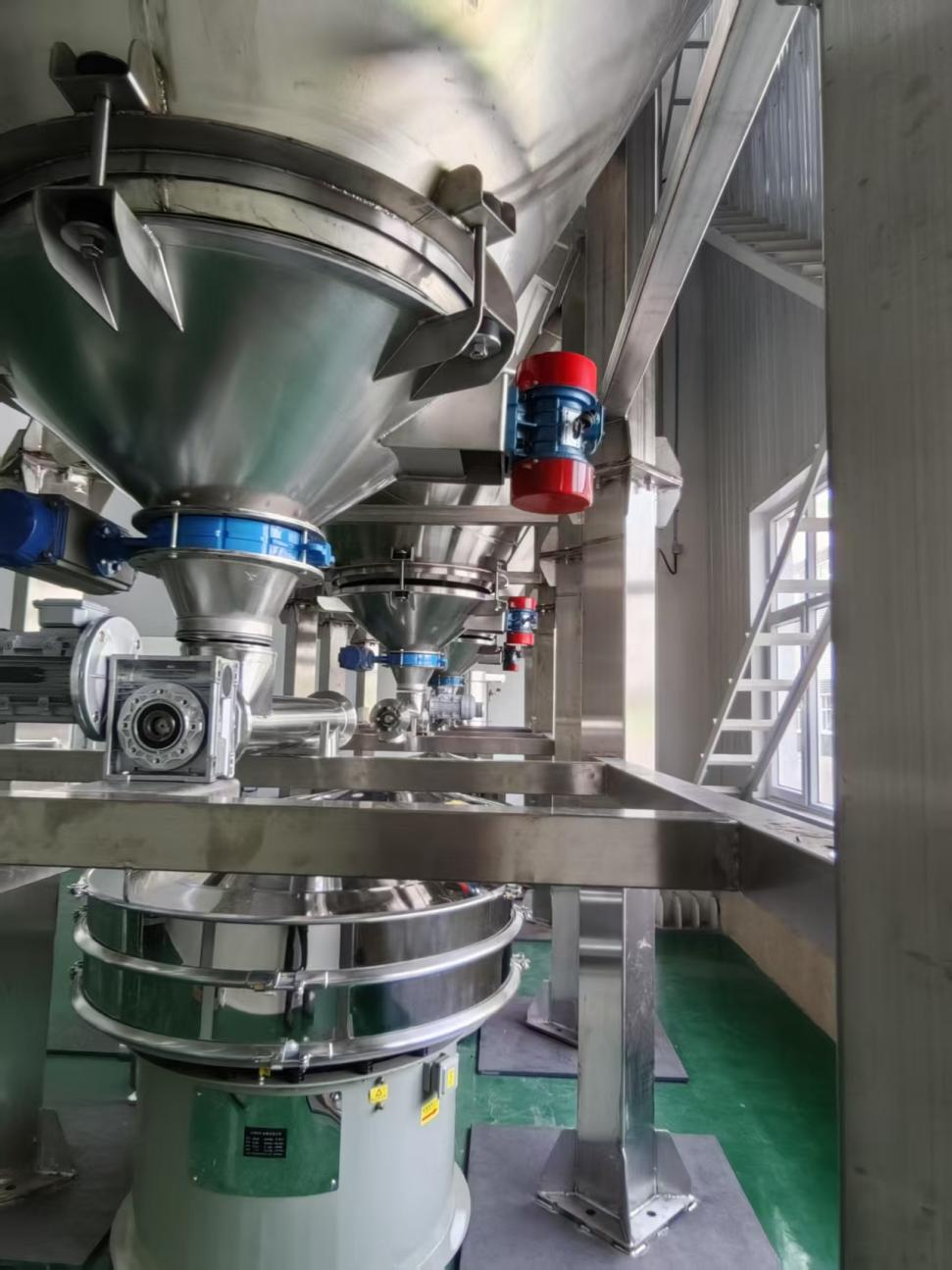
Vibrating mineral screens play a strategic role in modern mining operations, with their core value lying in transforming traditional separation processes into high-precision production engines. As central equipment in mineral processing workflows, these heavy-duty screens utilize dynamic screening technology (vibration frequency: 600–3,600 RPM, adjustable amplitude: 2–10 mm) to achieve ultra-high processing capacities of 500–5,000 tons per hour, directly determining the economic efficiency of the entire mine operation. In practical applications at the Pilbara iron ore mine in Australia and gold mines in South Africa, the optimized screening system successfully increased target mineral recovery rates by 11-19% and controlled waste rates to ≤3%, equating to quantifiable benefits of $8-22 per ton of ore.
The protective value of such equipment is equally irreplaceable. As a protective barrier for primary crushers, systems equipped with 2-200 mm perforated plate screens effectively intercept oversized rock blocks, preventing millions of dollars in crusher overload shutdowns. More critically, they assume core environmental compliance responsibilities: modular dewatering units recover over 90% of process water, significantly reducing tailings pond environmental risks; the enclosed structure combined with negative pressure dust collection technology reduces silica dust concentration in the work area by 30%, fully meeting the new 2024 OSHA dust control standards.
In terms of resource adaptability, equipment equipped with 1-4 layers of replaceable screen plates (polyurethane/rubber/alloy steel mesh) can switch between screening different materials such as coal, copper ore, and gold ore within 2 hours. This flexible production capability is becoming a critical safeguard against fluctuations in ore grade—as demonstrated by the example of Chilean copper mines, where even when the original ore grade decreased by 40%, stable production rates were maintained by reconfiguring the screen mesh settings through a three-stage vibrating screen. As a result, leading mining companies have reclassified vibrating screens as non-consumable infrastructure rather than ordinary production equipment, as even a one-micron error in screening precision can trigger efficiency declines across the entire crushing, flotation, and smelting chain.

30
May
29
May
18
Jun
"Before installation, manual handling was killing our production speed and safety records. Since implementing this system, our line efficiency jumped by 40%. The ROI was clear within months – reduced labor costs and zero handling injuries in 18 months. Seamless integration with our packaging line was the cherry on top."

"We struggled with product damage during transfer for years. This gentle conveying solution eliminated breakage completely while meeting strict FDA sanitation standards. Maintenance is surprisingly simple, and downtime dropped by 70%. Worth every penny for quality-sensitive industries."


Copyright © Henan Zhongren Machinery Equipment Co., Ltd.
 EN
EN