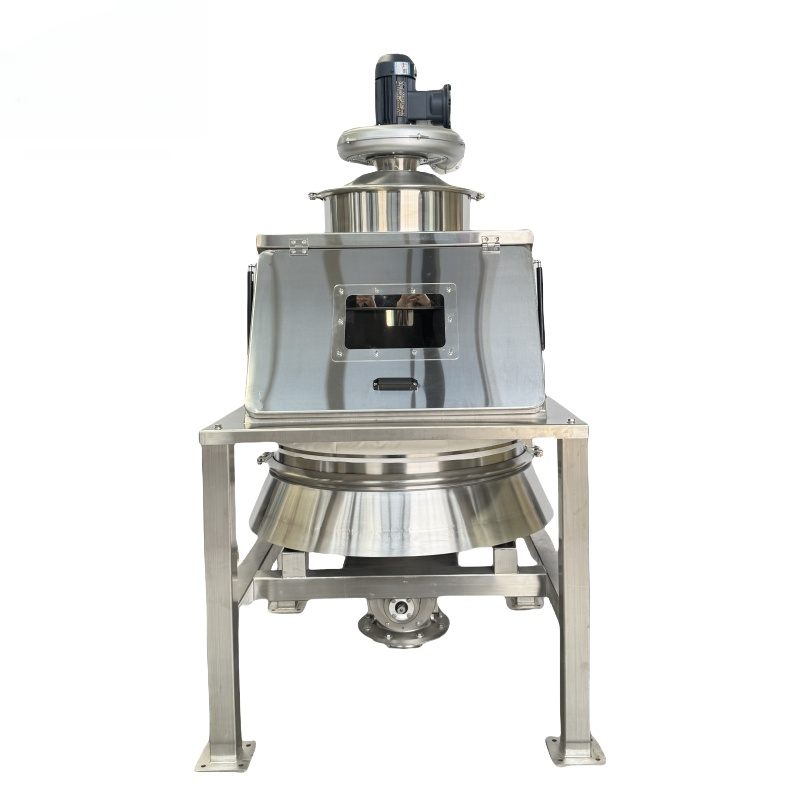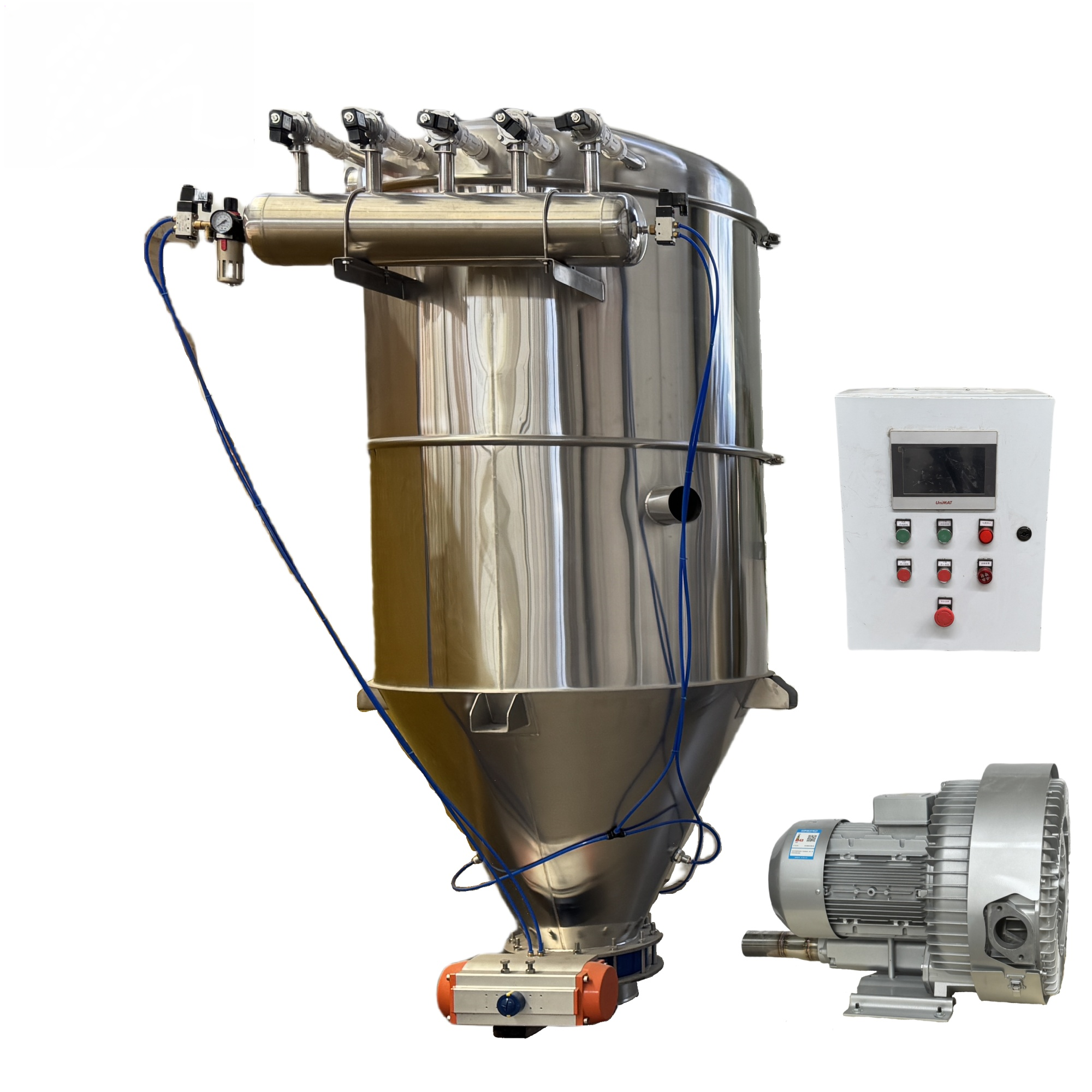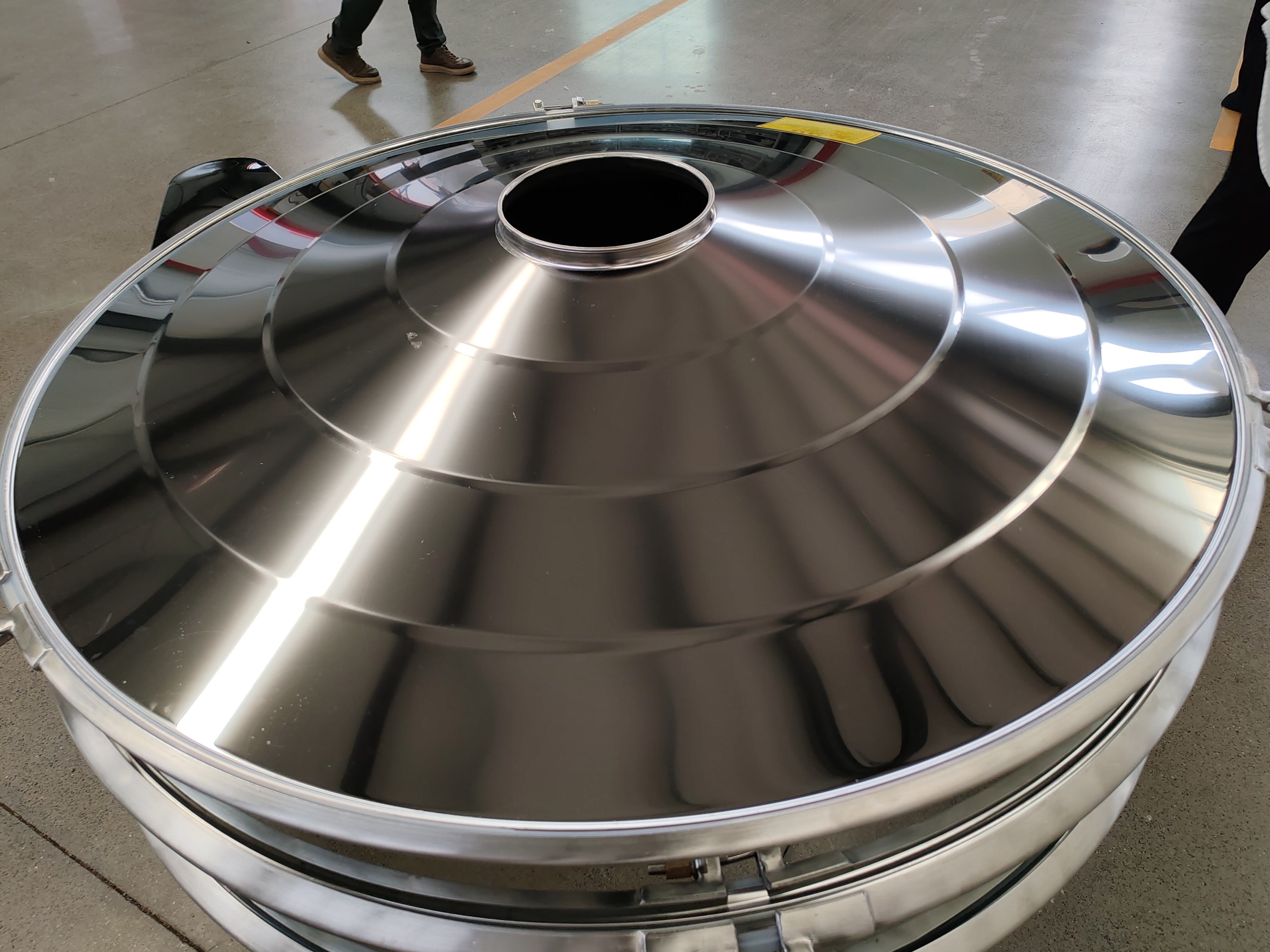
The core value of mining vibrating screens: revolutionary equipment driving efficient mineral processing
In mining operations, vibrating screens serve as the central control system of the mineral processing workflow, directly determining resource utilization rates and economic benefits. In harsh environments such as iron ore, coal, and copper mines, these devices use pre-screening (scalping) to intercept oversized ore particles (>100mm) that could damage crushers, ensuring continuous production line operation. This alone reduces equipment downtime by 40%. In the particle size classification stage, vibrating screens separate target minerals with ±2mm precision (e.g., -10mm thermal coal or 20-40mm construction aggregates), avoiding sales discounts due to non-conforming specifications—a case study at an iron ore mine showed that precise screening increased product premiums by 15%.
More importantly, its resource optimization capability: the vibrating screen separates waste rock before it enters the crusher, reducing energy consumption per ton of crushed ore by 30%. For a mine processing 5 million tons annually, this equates to saving 1.8 million yuan in electricity costs. In terms of environmental protection, high-frequency dewatering screens recover 85% of process water while reducing tailings pond load by 28%, helping companies pass environmental audits. The equipment's industrial-grade design enables continuous processing of 3,000 tons per hour of highly abrasive materials. Custom rubber springs and modular screens extend maintenance intervals to 6,000 hours, ensuring annual operating time exceeds 8,000 hours.
Industry pain points include: mines without high-performance vibrating screens face cascading losses. For example, unremoved waste rock increases crusher liner wear, with a single shutdown for replacement resulting in 500,000 yuan in production losses; customer claims due to particle size exceeding standards can account for 5% of annual revenue. Therefore, modern vibrating screens have transcended the realm of basic equipment and evolved into a core profit driver for mines—they enhance concentrate recovery rates (+22% measured capacity), reduce ton-costs (energy/maintenance/water resources), ensure 100% product compliance, and ultimately expand profit margins per ton of ore by 18%-35%.

30
May
29
May
18
Jun
"Before installation, manual handling was killing our production speed and safety records. Since implementing this system, our line efficiency jumped by 40%. The ROI was clear within months – reduced labor costs and zero handling injuries in 18 months. Seamless integration with our packaging line was the cherry on top."

"We struggled with product damage during transfer for years. This gentle conveying solution eliminated breakage completely while meeting strict FDA sanitation standards. Maintenance is surprisingly simple, and downtime dropped by 70%. Worth every penny for quality-sensitive industries."


Copyright © Henan Zhongren Machinery Equipment Co., Ltd.
 EN
EN