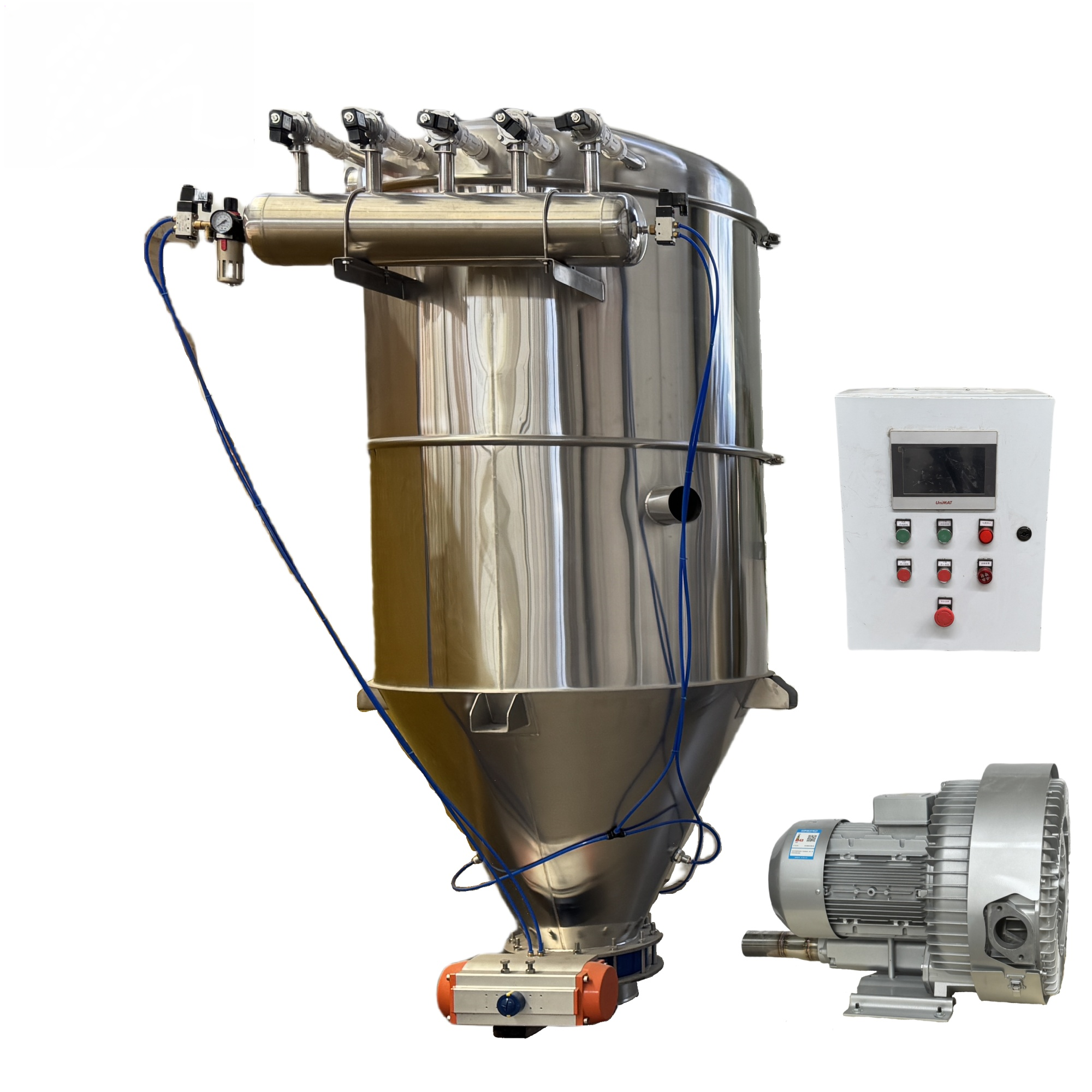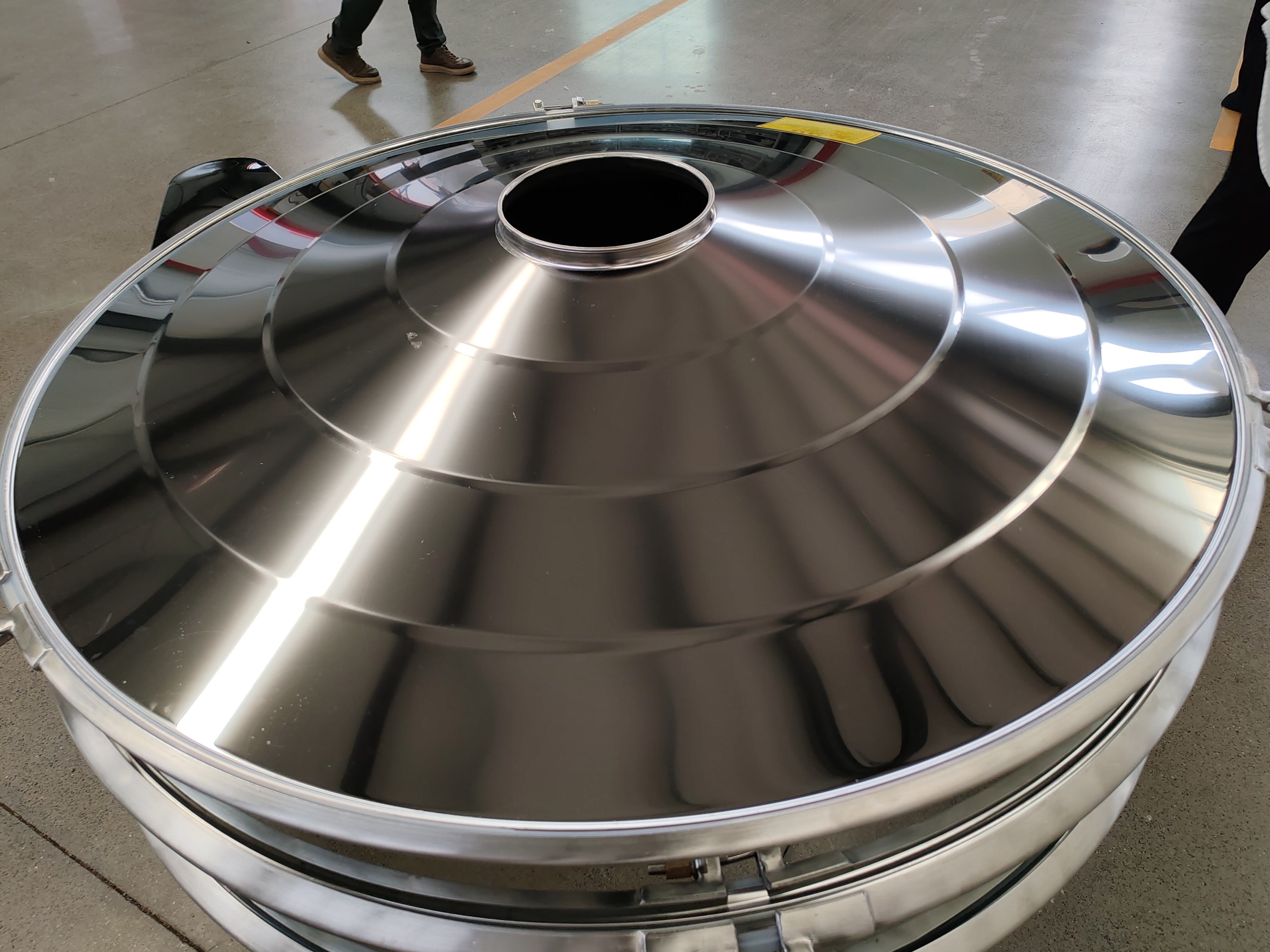
Vibrating screening equipment is a core technology in modern industrial material handling, enabling the automatic classification of materials with different particle sizes, densities, or compositions through precise vibration control. Its primary value lies in ensuring product quality and compliance—from the GMP standards for particle uniformity in the pharmaceutical industry, to impurity removal (such as stones or metal residues) in food processing, to high-purity sorting in the recycling industry, all rely on this equipment to achieve millimeter-level precision screening, thereby avoiding production accidents and regulatory risks caused by contamination or particle size deviations.
From an operational perspective, such equipment directly enhances economic efficiency and optimizes resource utilization. Its self-cleaning design reduces screen clogging issues by over 78%, reduces downtime by 90% compared to manual screening, and significantly extends continuous production cycles. More importantly, by recovering usable materials from waste (such as residual ore in mineral sand or reusable metals in construction waste), users achieve an average of 20-30% additional revenue conversion while reducing landfill costs by 30%, balancing profitability with environmental goals.
Its industry applicability further highlights its strategic importance: in the mining/aggregate sector, its thousand-ton-per-hour processing capacity ensures maximum resource extraction; in the chemical and pharmaceutical industries, its sterile sorting capabilities meet stringent production standards; and in the recycling sector, its high-purity separation technology transforms mixed waste into tradable commodities. Modular design supports flexible scalability from laboratory-scale trials (1 ton per hour) to heavy industrial-scale operations (1,000 tons per hour), adapting to enterprises' varying production capacity needs at different stages.
Conclusion: Vibrating screening equipment has transcended its role as a basic production tool to become a critical infrastructure for quality control, cost control, and sustainable operations. Neglecting its technological upgrades entails risks of quality fluctuations, resource waste, and loss of market competitiveness, while investing in intelligent screening systems directly translates into quantifiable long-term production benefits.

30
May
29
May
18
Jun
"Before installation, manual handling was killing our production speed and safety records. Since implementing this system, our line efficiency jumped by 40%. The ROI was clear within months – reduced labor costs and zero handling injuries in 18 months. Seamless integration with our packaging line was the cherry on top."

"We struggled with product damage during transfer for years. This gentle conveying solution eliminated breakage completely while meeting strict FDA sanitation standards. Maintenance is surprisingly simple, and downtime dropped by 70%. Worth every penny for quality-sensitive industries."


Copyright © Henan Zhongren Machinery Equipment Co., Ltd.
 EN
EN