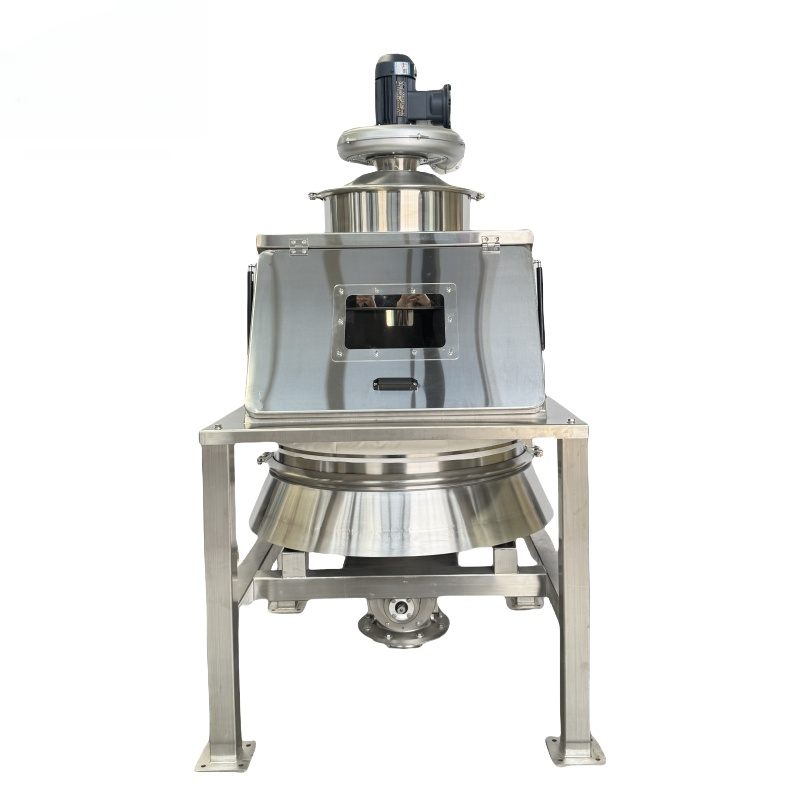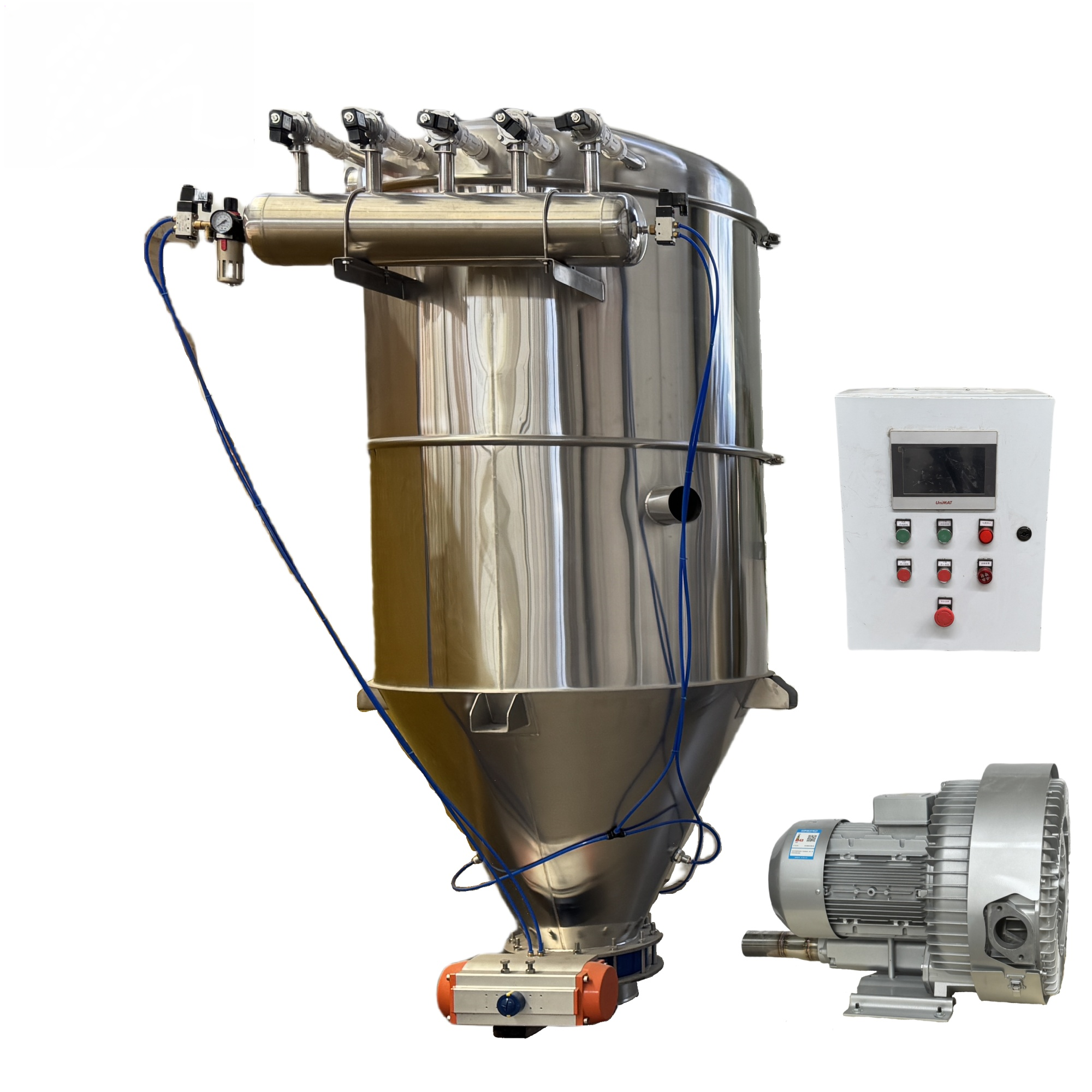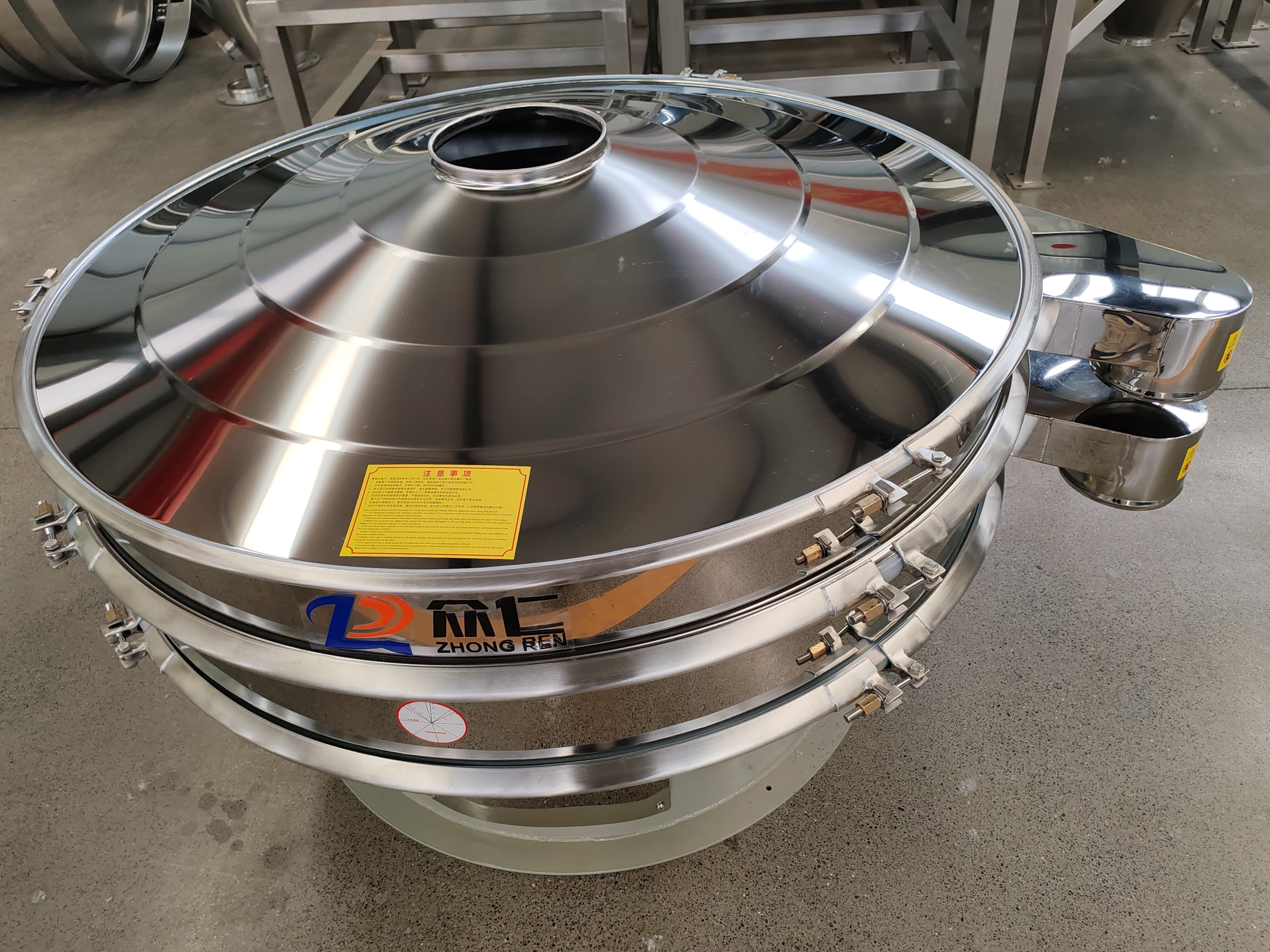
In modern industrial production systems, the vibrating screen machine (Vibro Screen Machine) serves as a core piece of equipment in the field of precision classification, playing a strategic role in enhancing process efficiency and product quality. Its core value lies in achieving three-dimensional material movement through high-frequency vibration, enabling particles to efficiently layer and pass through the screen surface, thereby addressing pain points such as blockages, low precision, and limited processing capacity inherent in traditional static screening methods. With adjustable amplitude and frequency parameters, the Vibro Screen Machine can precisely accommodate particle size separation requirements ranging from 0.045 mm to 30 mm, meeting over 98% of the fine powder screening rate requirements in the pharmaceutical industry or the initial screening intensity of 300 tons of ore per hour in the mining sector.
In terms of cost-effectiveness, the vibrating screen machine significantly reduces manual intervention through automated operation, improving the energy efficiency ratio by 45% compared to traditional screening methods. Constructed with food-grade stainless steel in a sealed structure, it effectively prevents cross-contamination of materials and dust dispersion, ensuring compliance with stringent hygiene standards such as FDA and GMP, thereby directly reducing annual return losses caused by quality issues for enterprises. Its modular design enables quick screen mesh replacement, allowing the same equipment to flexibly switch between plastic particle grading and metal powder impurity removal scenarios, significantly reducing customers' multi-process equipment procurement costs.
Industry application data validates its irreplaceable role: in the lithium-ion battery new materials sector, the separation precision of 3-5μm micro-powders in cathode materials directly impacts battery charging and discharging efficiency; In agricultural production, a 1% improvement in screening purity can reduce the risk of mold growth in grain storage by 10,000 tons. The integration of innovative ultrasonic screen cleaning technology further enhances screen self-cleaning efficiency by 70%, completely resolving the issue of screen blockage caused by high-viscosity materials, ensuring continuous operation of chemical production lines.
The deeper value of vibrating screens extends to industrial upgrading—when combined with AI visual sorting systems, they can establish a real-time feedback loop for particle size distribution, helping ceramic raw material companies increase their first-pass yield from 82% to 95%. This industrial equipment, which integrates precision mechanical dynamics with digital technology, has become a critical infrastructure for manufacturing companies transitioning from mass production to quality-driven production, continuously driving breakthroughs in both resource utilization efficiency and industrial lean standards.

30
May
29
May
18
Jun
"Before installation, manual handling was killing our production speed and safety records. Since implementing this system, our line efficiency jumped by 40%. The ROI was clear within months – reduced labor costs and zero handling injuries in 18 months. Seamless integration with our packaging line was the cherry on top."

"We struggled with product damage during transfer for years. This gentle conveying solution eliminated breakage completely while meeting strict FDA sanitation standards. Maintenance is surprisingly simple, and downtime dropped by 70%. Worth every penny for quality-sensitive industries."


Copyright © Henan Zhongren Machinery Equipment Co., Ltd.
 EN
EN