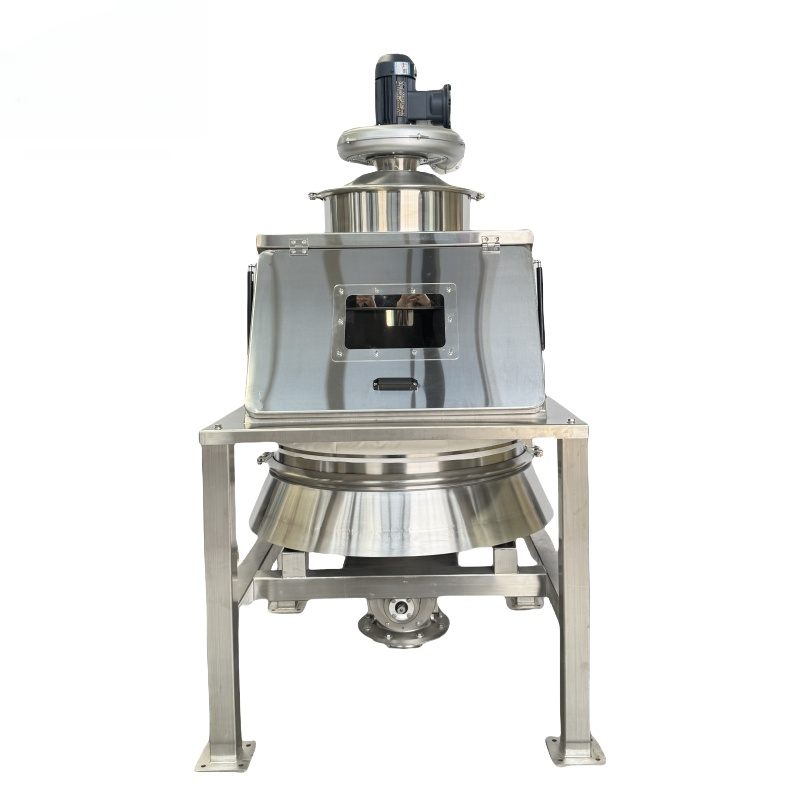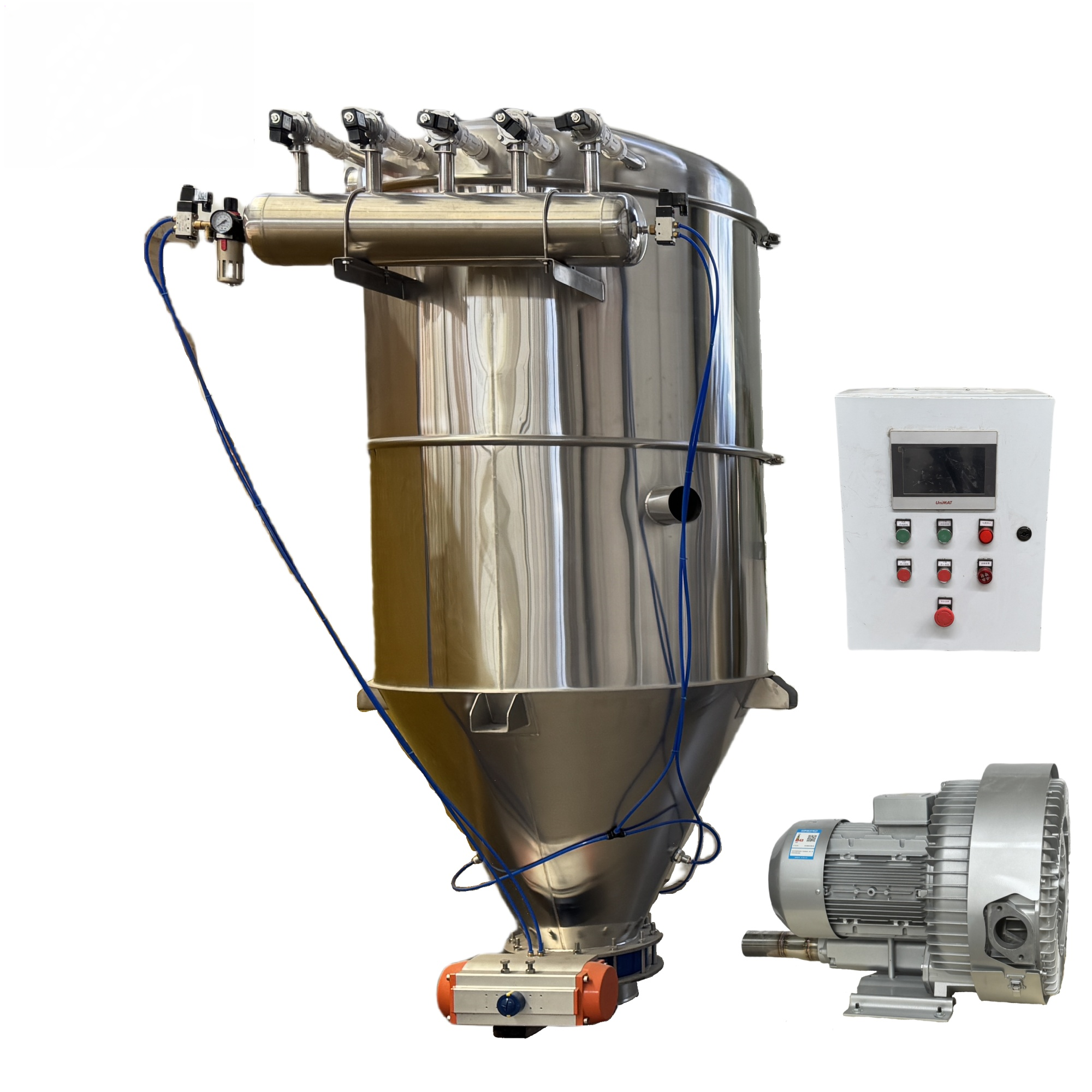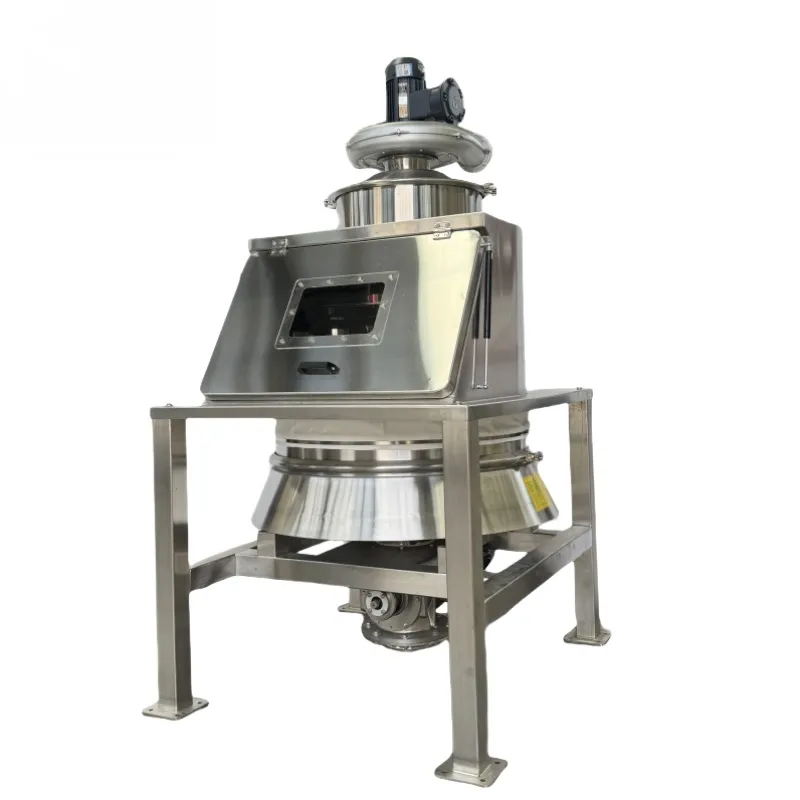
In today's highly competitive industrial environment, automated conveying systems have become a strategic necessity in manufacturing, warehousing, and logistics. These systems fundamentally address the critical shortcomings of traditional manual handling—by eliminating reliance on repetitive manual labor, businesses can significantly reduce labor costs and alleviate labor shortages, particularly in markets with labor shortages. Moreover, the precision-programmed operational mechanisms significantly reduce losses caused by misdelivery, positioning errors, and transportation damage, directly safeguarding the company's profit margins. What is even more noteworthy is that these systems achieve reduced energy consumption per unit and maximized utilization of factory space through three-dimensional path planning and high-efficiency motor drives, transforming what was once inefficient material flow into true asset value.
Breaking through production capacity bottlenecks is the core advantage of automated conveying systems. They ensure uninterrupted material flow on production lines at a constant speed beyond human limits, enabling single-shift production capacity increases of over 40%. Their modular design allows companies to dynamically scale processing capacity according to demand, whether by adding assembly branches, integrating sorting devices, or extending conveying paths, without disrupting existing production layouts. This flexible design grants businesses the ability to operate continuously around the clock, completely eliminating the efficiency constraints of manual shift systems.
In terms of industrial safety, automated conveying systems establish revolutionary protective mechanisms. By taking over high-risk operations such as heavy material handling, high-temperature area transportation, and hazardous chemical conveying, they effectively eliminate workplace injury risks such as muscle strain, mechanical collisions, and toxic exposure. The system's pre-installed safety sensors and enclosed track design create a physical barrier in areas where people and vehicles share the same workspace, reducing workplace accident rates by an average of 85% while also lowering the company's insurance and compliance costs.

30
May
29
May
18
Jun
"Before installation, manual handling was killing our production speed and safety records. Since implementing this system, our line efficiency jumped by 40%. The ROI was clear within months – reduced labor costs and zero handling injuries in 18 months. Seamless integration with our packaging line was the cherry on top."

"We struggled with product damage during transfer for years. This gentle conveying solution eliminated breakage completely while meeting strict FDA sanitation standards. Maintenance is surprisingly simple, and downtime dropped by 70%. Worth every penny for quality-sensitive industries."


Copyright © Henan Zhongren Machinery Equipment Co., Ltd.
 EN
EN