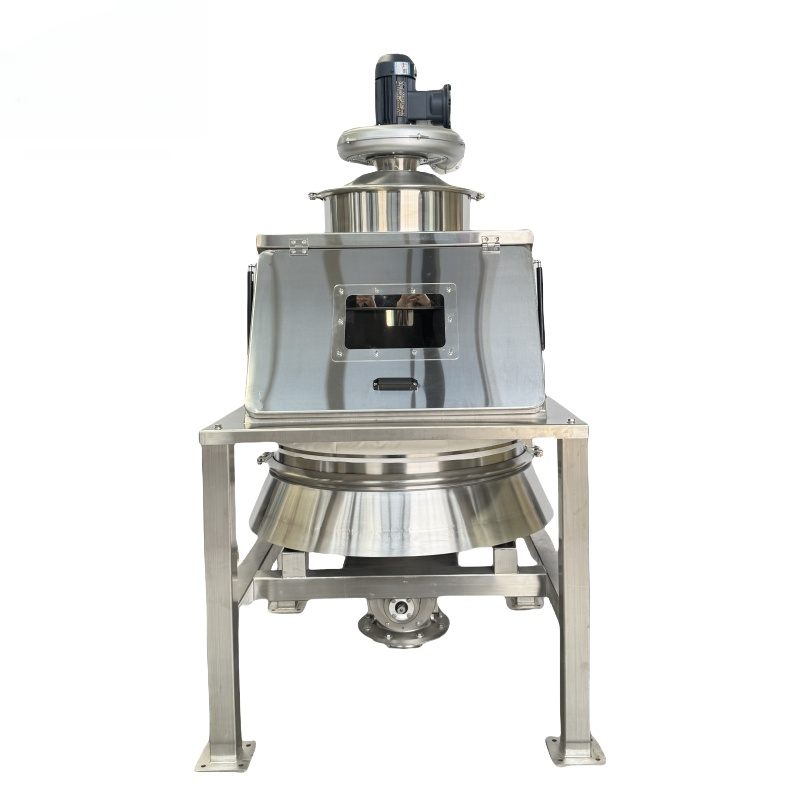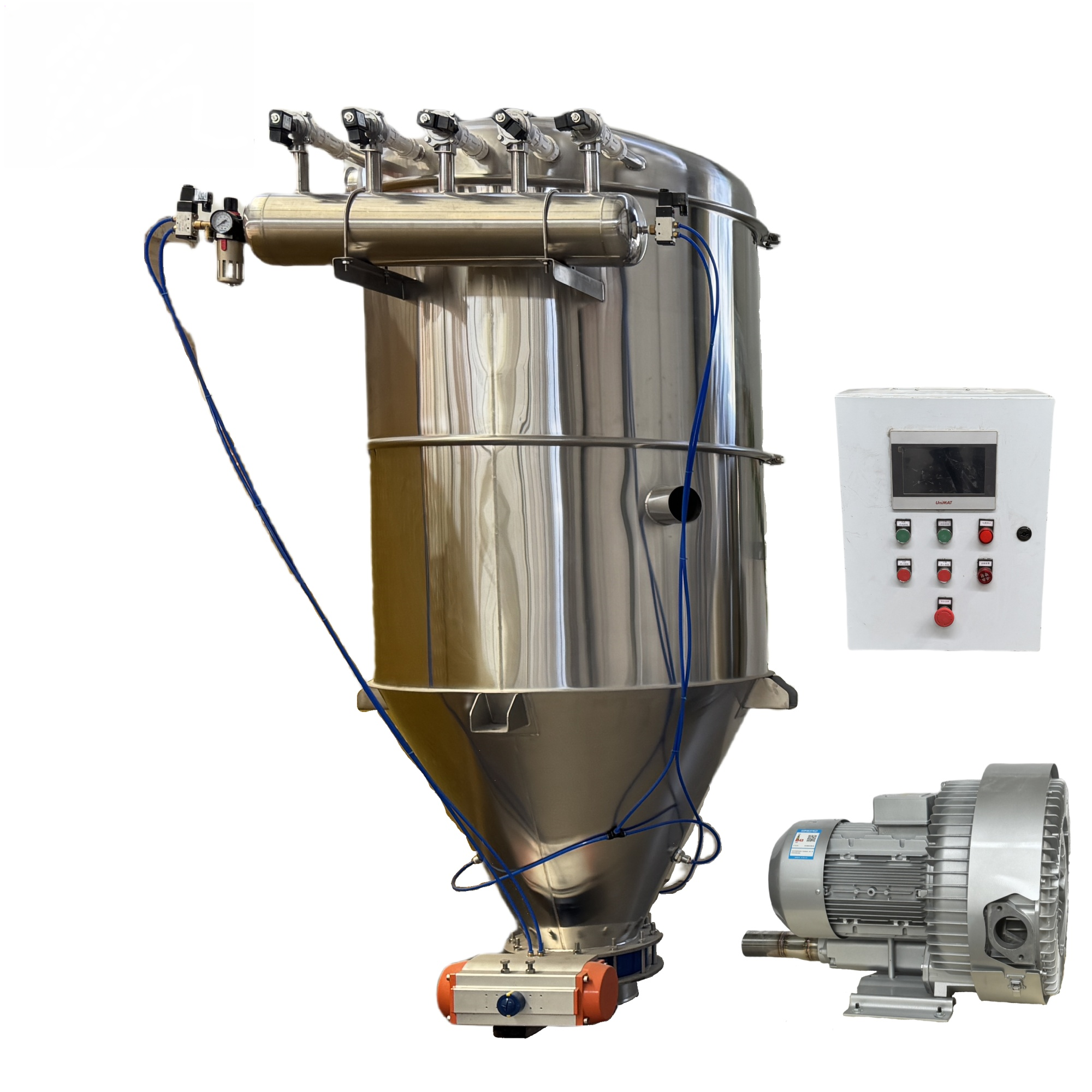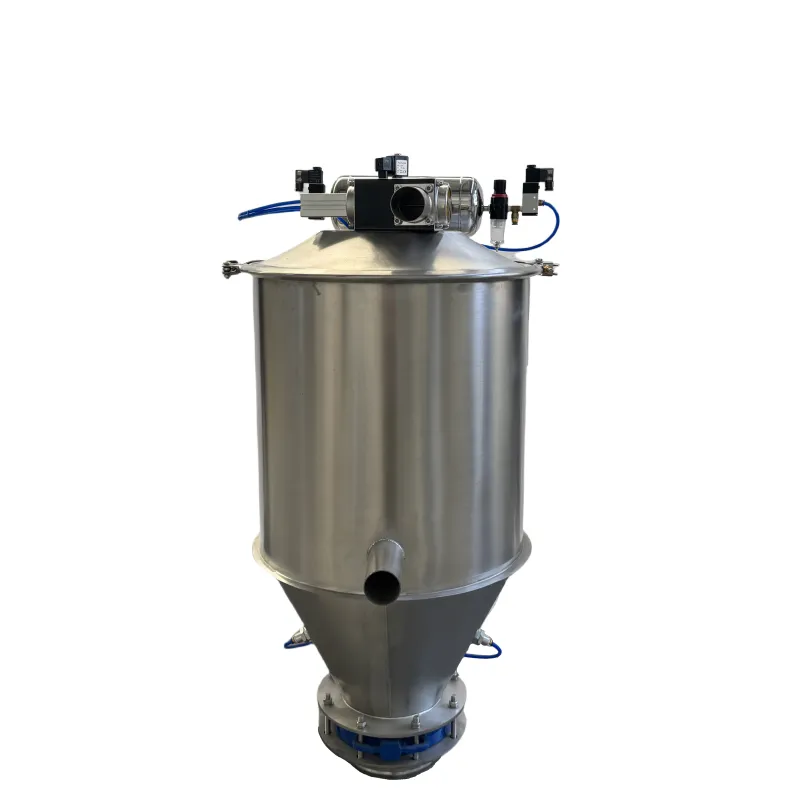
In today's competitive industrial landscape, efficient material handling systems have become core strategic assets for businesses rather than mere equipment. Traditional manual handling not only consumes up to 50% of operational time but also leads to soaring labor costs, increased risk of workplace injuries, and higher product damage rates. Industrial-grade conveying systems (including belt-type, roller-type, chain-type, and intelligent suspended conveying equipment) drive revolutionary change through automated material transportation: transforming repetitive handling tasks into continuous production arteries. In high-demand sectors such as manufacturing, warehousing and logistics, and food and pharmaceuticals, these systems can systematically reduce labor costs by 30-70% and boost production efficiency by over 20-40%.
Their strategic value is further demonstrated in comprehensive risk management. Modular conveying equipment equipped with emergency braking, safety barriers, and ergonomic interfaces can reduce workplace injury rates by over 50%, significantly enhancing compliance with OSHA/FEMA standards; For high-value goods such as fragile items and high-precision electronic components, specialized conveying lines utilize constant-speed transmission and precise positioning functions to reduce product damage rates to near zero, which is of critical importance for industries with extremely low tolerance for errors, such as pharmaceuticals and semiconductors.
Perhaps most importantly, the intelligent conveying system grants enterprises dynamic adaptability. When facing market fluctuations or production line adjustments, companies can quickly reconfigure conveying paths and integrate sorting modules without interrupting production, enabling flexible expansion of production capacity. By integrating IoT sensors with the WMS system, real-time access to key data such as throughput and equipment status is achieved, transforming material flow from a black-box operation into a predictable profit engine. This deep supply chain visibility enables companies to transform transportation costs from a cost center into a source of competitive advantage.

30
May
29
May
18
Jun
"Before installation, manual handling was killing our production speed and safety records. Since implementing this system, our line efficiency jumped by 40%. The ROI was clear within months – reduced labor costs and zero handling injuries in 18 months. Seamless integration with our packaging line was the cherry on top."

"We struggled with product damage during transfer for years. This gentle conveying solution eliminated breakage completely while meeting strict FDA sanitation standards. Maintenance is surprisingly simple, and downtime dropped by 70%. Worth every penny for quality-sensitive industries."


Copyright © Henan Zhongren Machinery Equipment Co., Ltd.
 EN
EN