The Strategic Significance of Horizontal Vibrating Screens: Reshaping Screening Efficiency for Modern Industry
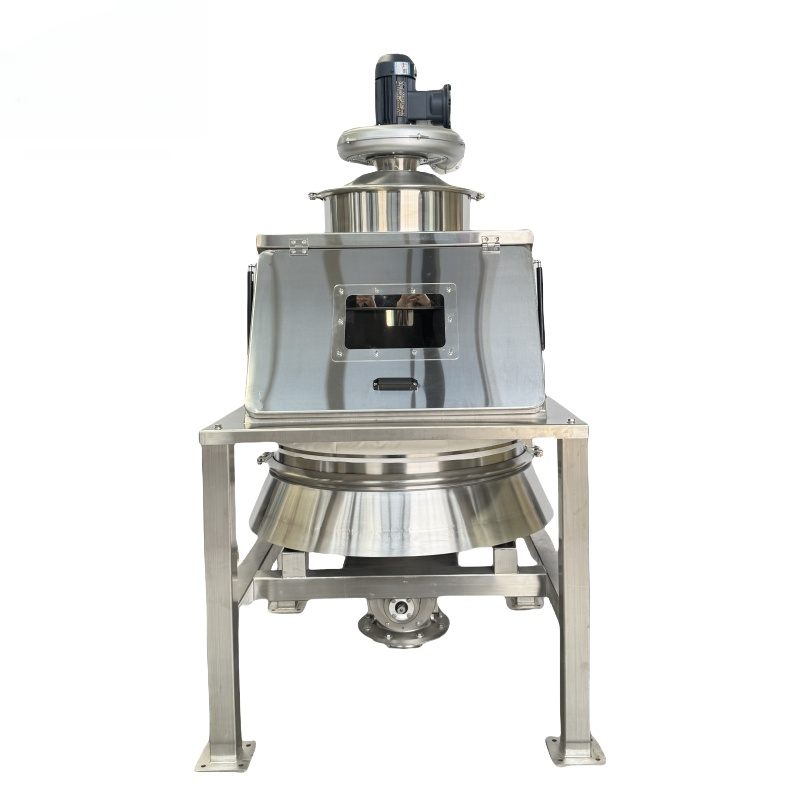
The horizontal vibrating screen represents a revolutionary breakthrough in bulk material handling technology. Its unique near-horizontal operating angle (0°-5°) addresses industry pain points through innovative physical dynamics. Unlike traditional inclined screens that rely on gravity for feeding, horizontal vibration technology combines powerful linear motion with layered control forces, increasing processing capacity by 30-50% in the mining/aggregate industry and completely eliminating material buildup. Its ±0.5mm cutting precision is a critical guarantee for high-value mineral beneficiation (e.g., lithium ore, potassium salts) and demonstrates disruptive advantages in wet material screening—patented anti-blocking technology reduces screen adhesion issues by 72%, enabling the equipment to operate continuously for 15,000 hours under harsh conditions such as clay and wet ore.
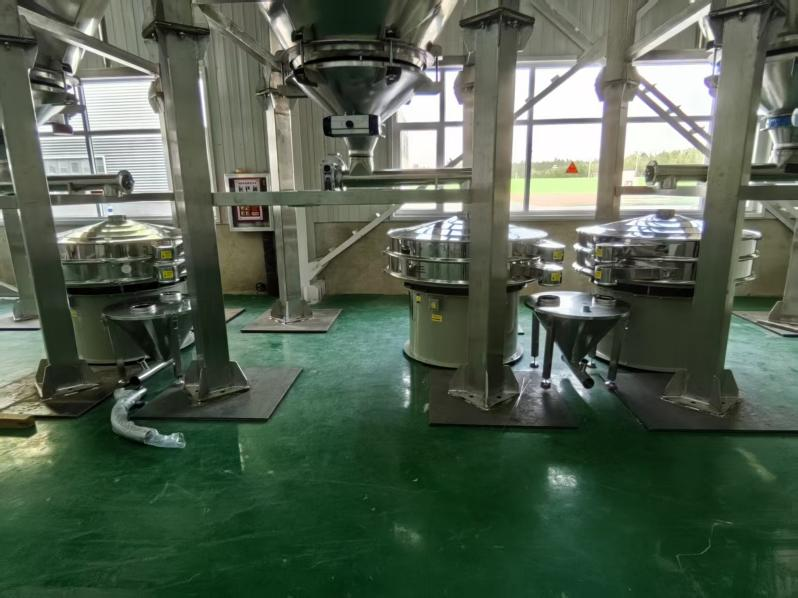
The equipment's low-profile design creates significant spatial value for industrial facilities: it reduces installation height by 40% compared to inclined screens, perfectly suited for space-constrained scenarios such as underground mines, retrofitted old factories, and modular production lines. It also establishes industrial standards through its versatility across multiple industries—from achieving 99.1% grading efficiency for 5mm iron ore powder in the mining sector, to producing 800 tons per hour of AS-112 standard crushed stone in the aggregate industry, to separating metal fragments in the recycling industry, the horizontal vibrating screen enables multi-functional operation with a single unit.
In terms of sustainability, the equipment achieves an 18% reduction in energy consumption and water savings: the unique single-layer screen design can complete material grading from 0.1 to 300 mm in a single pass, eliminating the need for multi-stage screening processes, and can reduce carbon emissions by 2,000 tons annually for a medium-sized mineral processing plant. Industry data from the current 12,000 operational units worldwide demonstrates that this technology has become an indispensable core piece of equipment for high-end applications such as fine chemical crystallization dehydration and asphalt recycling aggregate purification.

30
May
29
May
18
Jun
"Before installation, manual handling was killing our production speed and safety records. Since implementing this system, our line efficiency jumped by 40%. The ROI was clear within months – reduced labor costs and zero handling injuries in 18 months. Seamless integration with our packaging line was the cherry on top."

"We struggled with product damage during transfer for years. This gentle conveying solution eliminated breakage completely while meeting strict FDA sanitation standards. Maintenance is surprisingly simple, and downtime dropped by 70%. Worth every penny for quality-sensitive industries."

Copyright © Henan Zhongren Machinery Equipment Co., Ltd.
 EN
EN