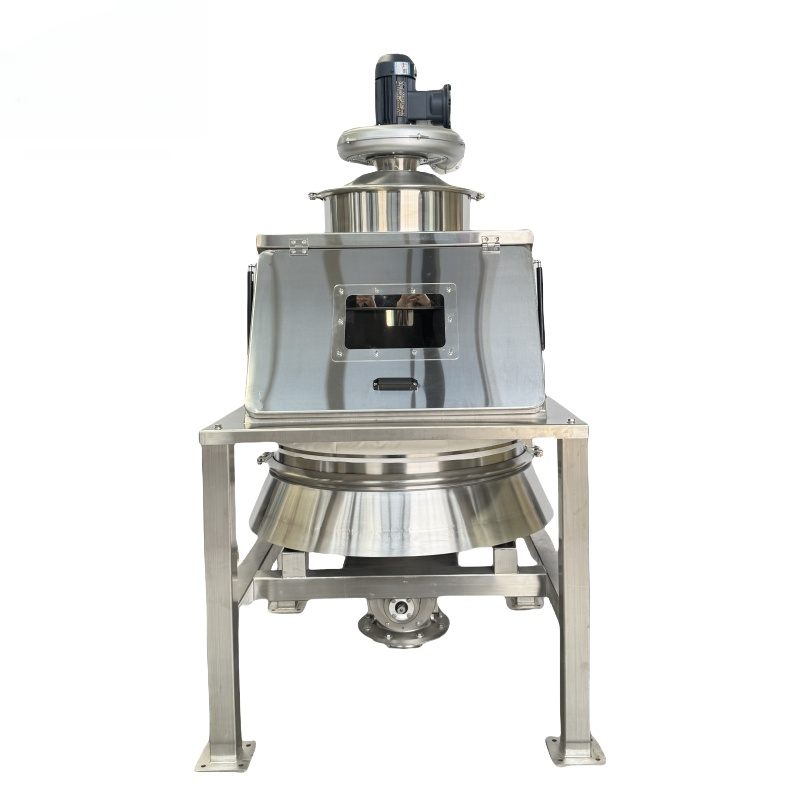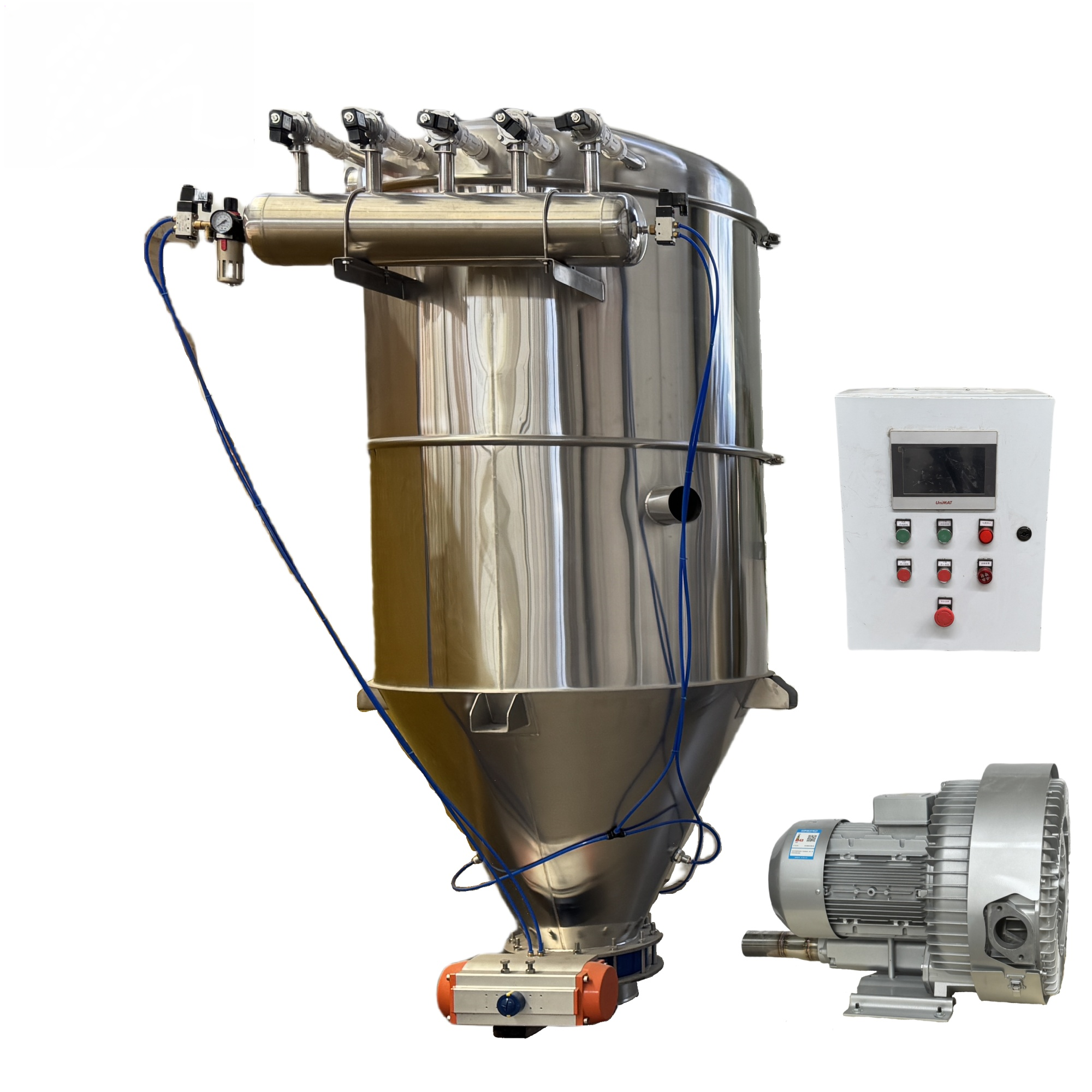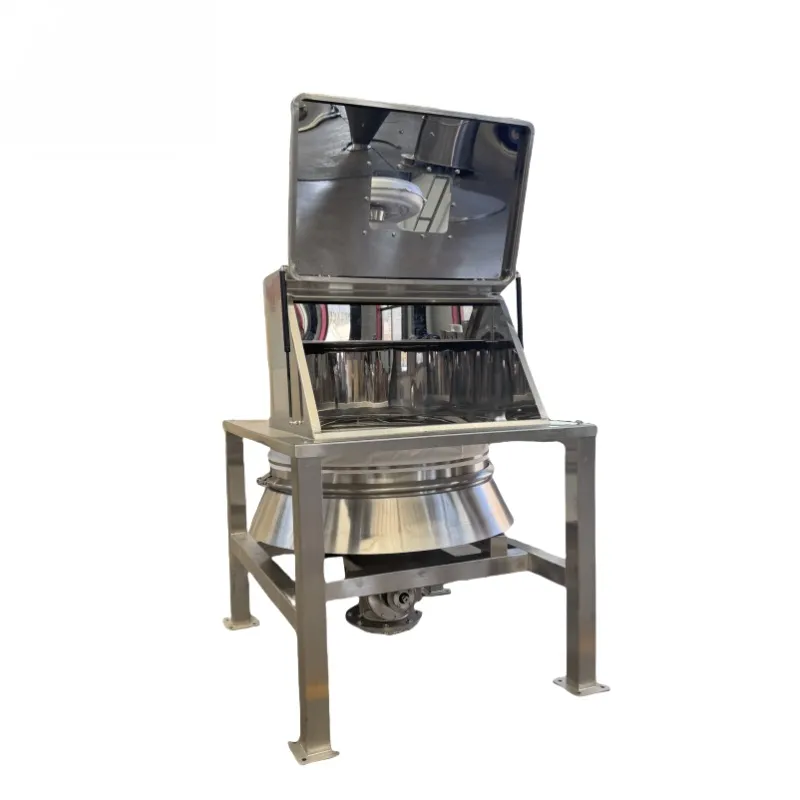
In today's fast-paced industrial world, from automobile assembly to food processing, and e-commerce warehousing centers, efficient and smooth material flow is the core of competitiveness. In this process, material handling systems often play an easily overlooked yet absolutely critical role. Choosing to collaborate with a professional and reliable material handling equipment manufacturer is not merely a simple equipment purchase, but a strategic decision that impacts a company's efficiency, costs, safety, and future prospects.
The systems provided by professional material handling equipment manufacturers are the cornerstone of revolutionary improvements in production efficiency. They continuously transport materials at speeds far exceeding human capabilities, streamlining production processes, eliminating bottlenecks caused by manual handling or forklift congestion, and ensuring that production flows seamlessly like precision gears, operating without interruption. This not only directly increases output per hour (UPH) but also optimizes spatial layout, minimizing unnecessary movement paths and waiting times for materials between processes.
In the face of rising labor costs and widespread labor shortages, conveying systems from outstanding material handling equipment manufacturers have become a key solution. They effectively reduce reliance on labor for high-intensity, repetitive handling tasks, significantly lowering related labor expenses. More importantly, it frees up valuable labor, allowing employees to move away from tedious and physically demanding material handling tasks and instead focus on more value-added roles such as quality control, equipment operation, or process optimization, truly achieving a reallocation of human resources.
Conveying systems designed and manufactured by professional material handling equipment manufacturers are also essential tools for creating an inherently safe working environment. They fundamentally eliminate physical strain caused by heavy material handling (particularly back injuries), which are common and costly in manufacturing. Additionally, they significantly reduce ground-level forklift operations, greatly lowering the risk of collisions or overturns involving forklifts, personnel, or cargo. Carefully designed conveyor lines also provide ergonomically optimized working heights to reduce worker fatigue, while certain types of enclosed conveying systems can safely handle hazardous materials or protect operator safety.

30
May
29
May
18
Jun
"Before installation, manual handling was killing our production speed and safety records. Since implementing this system, our line efficiency jumped by 40%. The ROI was clear within months – reduced labor costs and zero handling injuries in 18 months. Seamless integration with our packaging line was the cherry on top."

"We struggled with product damage during transfer for years. This gentle conveying solution eliminated breakage completely while meeting strict FDA sanitation standards. Maintenance is surprisingly simple, and downtime dropped by 70%. Worth every penny for quality-sensitive industries."


Copyright © Henan Zhongren Machinery Equipment Co., Ltd.
 EN
EN