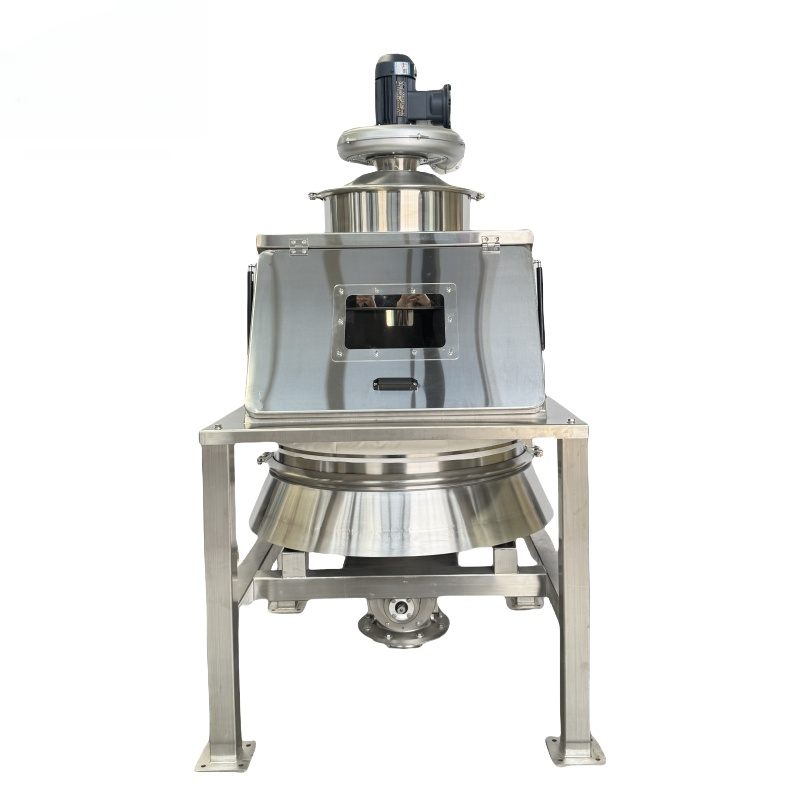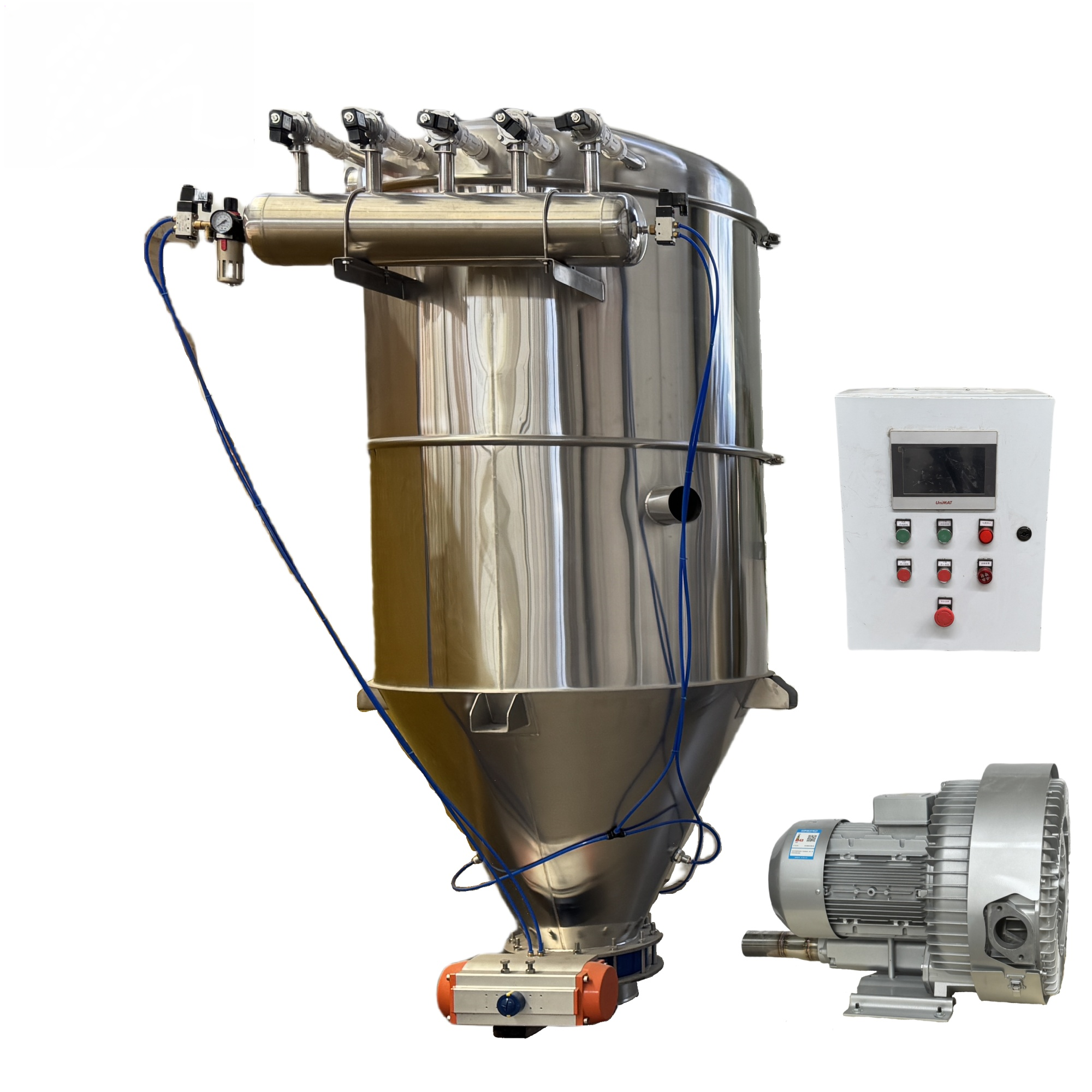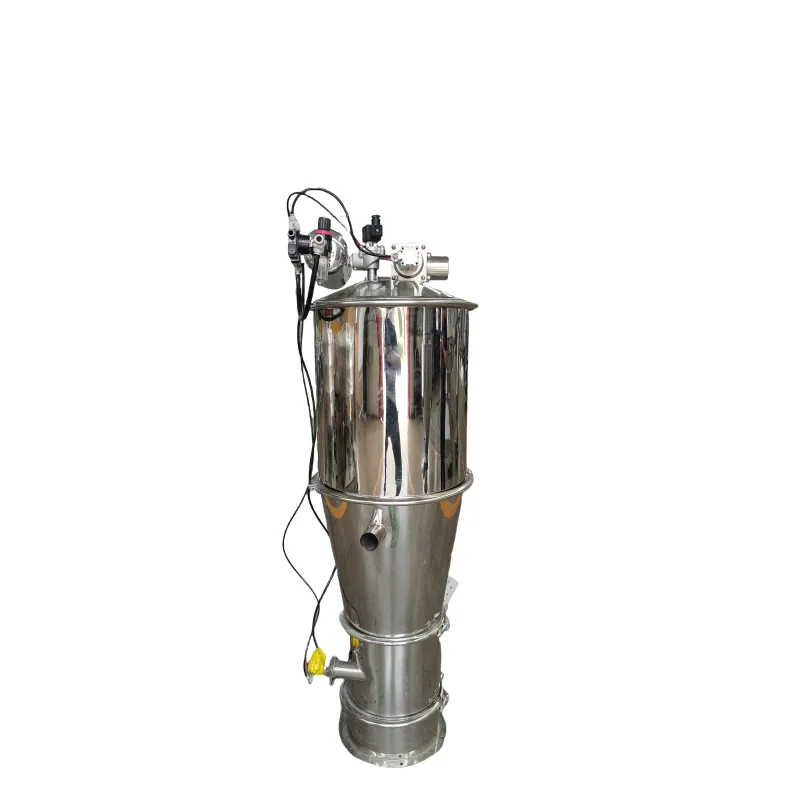
In today's fast-paced industrial and warehousing environments, material conveyors have become a core driver of operational efficiency. These systems eliminate inefficient manual handling processes and establish continuous automated material flows, significantly accelerating cycle times, eliminating process bottlenecks, and fundamentally increasing throughput. Additionally, automated transportation directly reduces reliance on manual labor—companies can reduce staffing for material handling roles, avoid repetitive labor costs, and redirect human resources toward high-value tasks, achieving dual improvements in efficiency and cost savings.
Safety benefits are equally significant. Risks inherent in traditional manual handling, such as falls, collisions, and muscle strain, are systematically addressed in conveyor systems: heavy materials are mechanically supported, dedicated transport routes minimize pedestrian-vehicle conflicts, and emergency stop devices and protective structures collectively reduce workplace injury rates by over 60% (industry data), directly cutting insurance claims and production downtime losses.
For product protection needs, conveyor systems provide a stable transmission control mechanism. Especially for precision instruments, fragile items, or high-value goods, roller-type or belt-type smooth transportation can reduce handling damage rates by up to 35%, ensuring product integrity and customer satisfaction. In terms of space optimization, its modular structure supports three-dimensional deployment solutions—wall-mounted installation, cross-floor inclined conveyance, or suspended designs—converting traditionally wasted通道 space into production pathways, with warehouse volume utilization rates improving by up to 40%.
For future scalability, the conveyor demonstrates exceptional compatibility and flexibility: when expanding capacity, it can quickly respond by extending tracks; it can reorganize module layouts during process adjustments; and it can seamlessly integrate with robotic arms, intelligent sorting machines, or warehouse management systems (WMS) to build an evolvable intelligent logistics ecosystem. Ultimately, its constant flow rate ensures precise coordination between processes, improving production rhythm controllability by 90% and establishing a sustainable competitive advantage for the enterprise.

30
May
29
May
18
Jun
"Before installation, manual handling was killing our production speed and safety records. Since implementing this system, our line efficiency jumped by 40%. The ROI was clear within months – reduced labor costs and zero handling injuries in 18 months. Seamless integration with our packaging line was the cherry on top."

"We struggled with product damage during transfer for years. This gentle conveying solution eliminated breakage completely while meeting strict FDA sanitation standards. Maintenance is surprisingly simple, and downtime dropped by 70%. Worth every penny for quality-sensitive industries."


Copyright © Henan Zhongren Machinery Equipment Co., Ltd.
 EN
EN