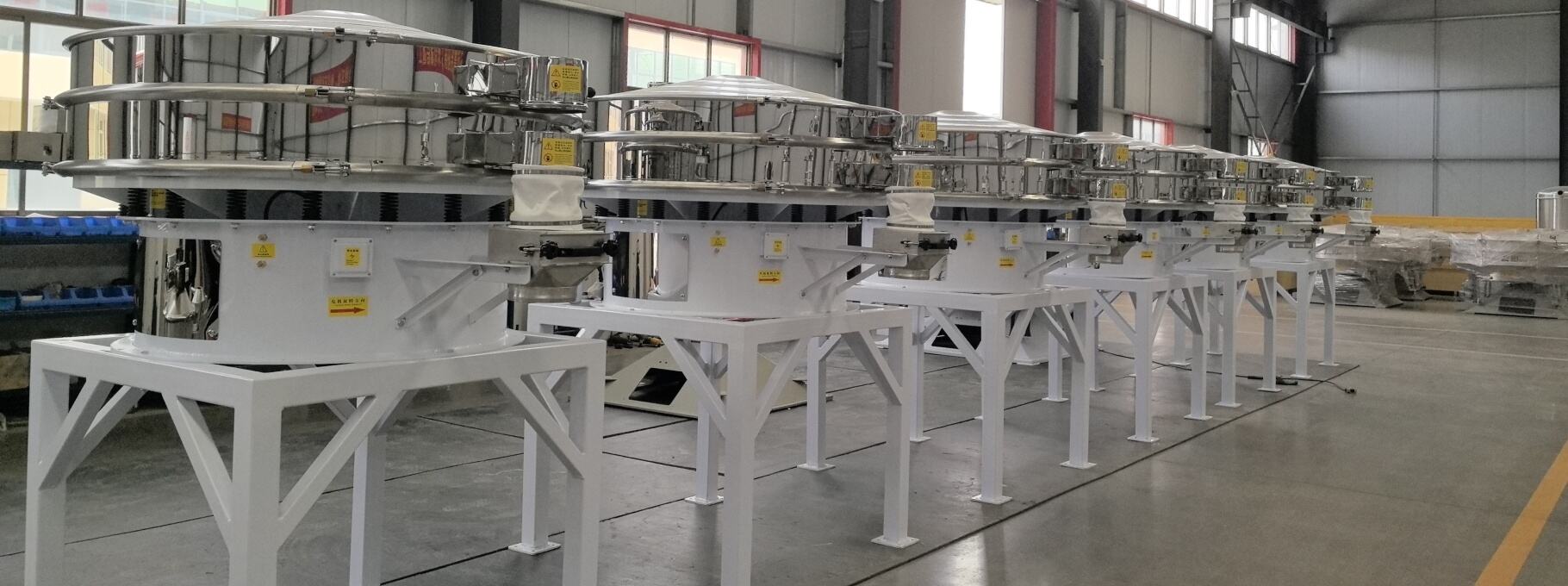
Application Prospects of Mining Vibrating Screens: Core Equipment Driving the Efficient and Sustainable Transformation of the Mining Industry
As global mineral development continues to evolve toward poorer quality and greater complexity, mining vibrating screens are upgrading from traditional classification equipment to strategic core components for resource utilization and low-carbon operations. Faced with the ongoing decline in ore grades (such as rare earths, lithium spodumene, and other critical minerals), high-frequency multi-band screening technology achieves tailings reduction of 15-30% through millimeter-level (<1mm) fine classification, transforming the “early disposal” strategy into tangible economic benefits. This is particularly significant in the pre-processing of waste rock and the enrichment of rare metals, serving as a key lever to offset rising mining costs.
Under dual pressures of energy consumption and environmental protection, the energy-saving potential of vibrating screens is being fully realized. Heavy-duty screens equipped with pre-screening functions can pre-separate 20-40% of waste rock, reducing energy consumption in the crushing and grinding process by 25%, equivalent to annual electricity savings exceeding one million yuan per production line. More notably, high-G-force dewatering screens have reduced tailings moisture content to below 14%, not only meeting dry stacking regulations but also increasing water reuse by 50%, providing a survival-level solution for arid mining areas—this “screening equals emissions reduction” paradigm has expanded from Chilean copper mines to Australian iron ore mines.
As the infrastructure boom and the new energy revolution drive demand for aggregates and lithium-cobalt, the precision revolution in vibrating screens is redefining product quality standards. Polyurethane corrosion-resistant modules and multi-angle banana screens ensure a 95% particle size compliance rate for basalt and granite aggregates, meeting the stringent requirements for 0-5mm ultra-fine aggregates in high-speed rail construction; while precise de-silting screening before lithium mica electrostatic separation directly increases the purity of lithium carbonate extraction by 2.3 grades, serving as an invisible gatekeeper for battery-grade material certification. Smart screens equipped with IoT vibration sensors and predictive maintenance systems have reduced downtime by 70% in unmanned coal mine projects in Mongolia, demonstrating that intelligent screening has become an indispensable cornerstone of mining digital transformation.

30
May
29
May
18
Jun
"Before installation, manual handling was killing our production speed and safety records. Since implementing this system, our line efficiency jumped by 40%. The ROI was clear within months – reduced labor costs and zero handling injuries in 18 months. Seamless integration with our packaging line was the cherry on top."

"We struggled with product damage during transfer for years. This gentle conveying solution eliminated breakage completely while meeting strict FDA sanitation standards. Maintenance is surprisingly simple, and downtime dropped by 70%. Worth every penny for quality-sensitive industries."

Copyright © Henan Zhongren Machinery Equipment Co., Ltd.
 EN
EN