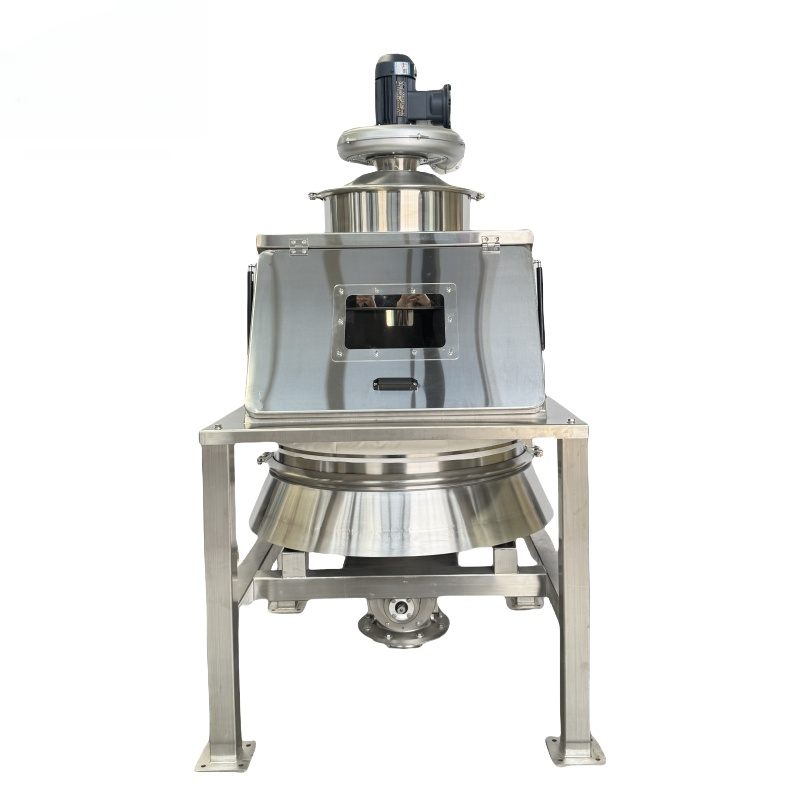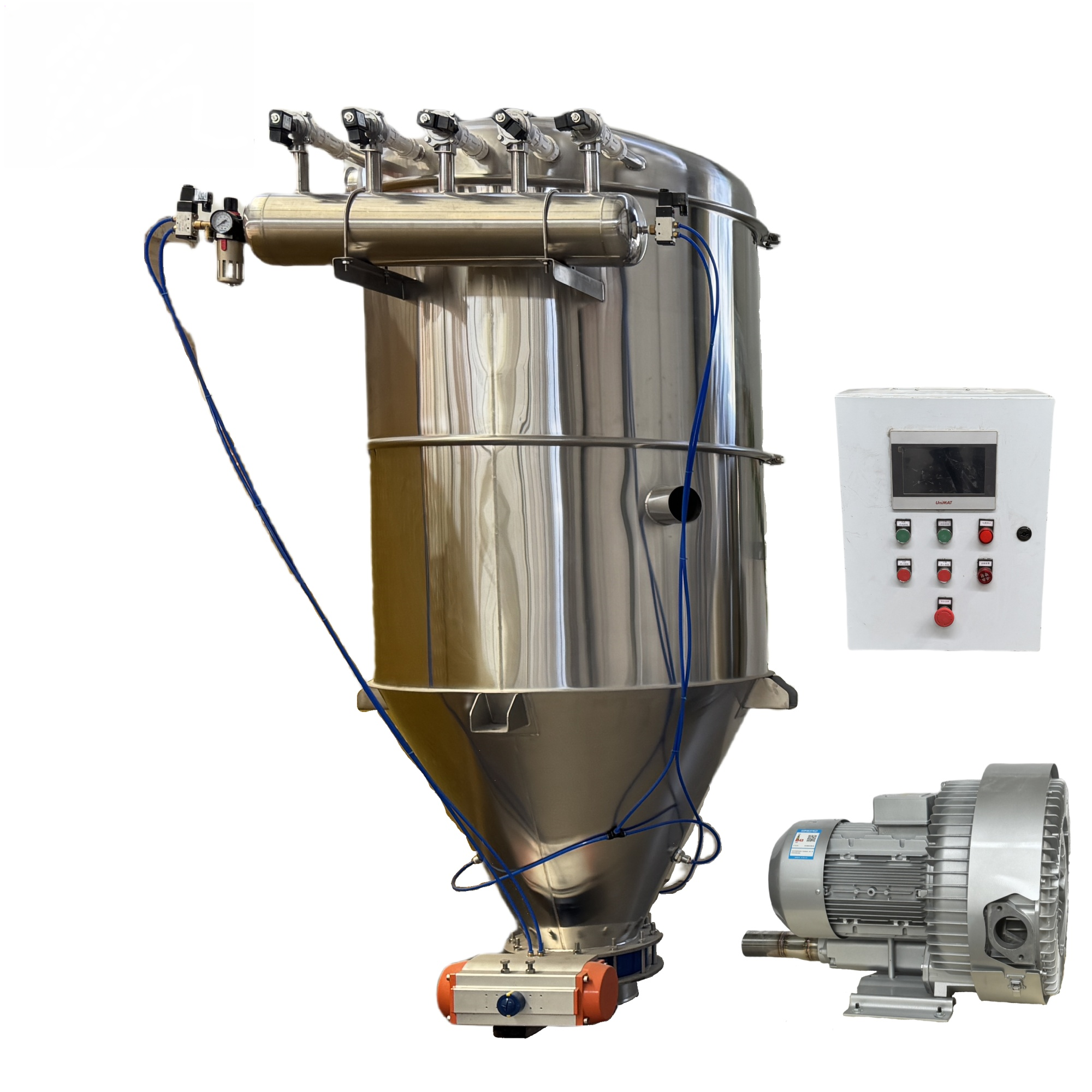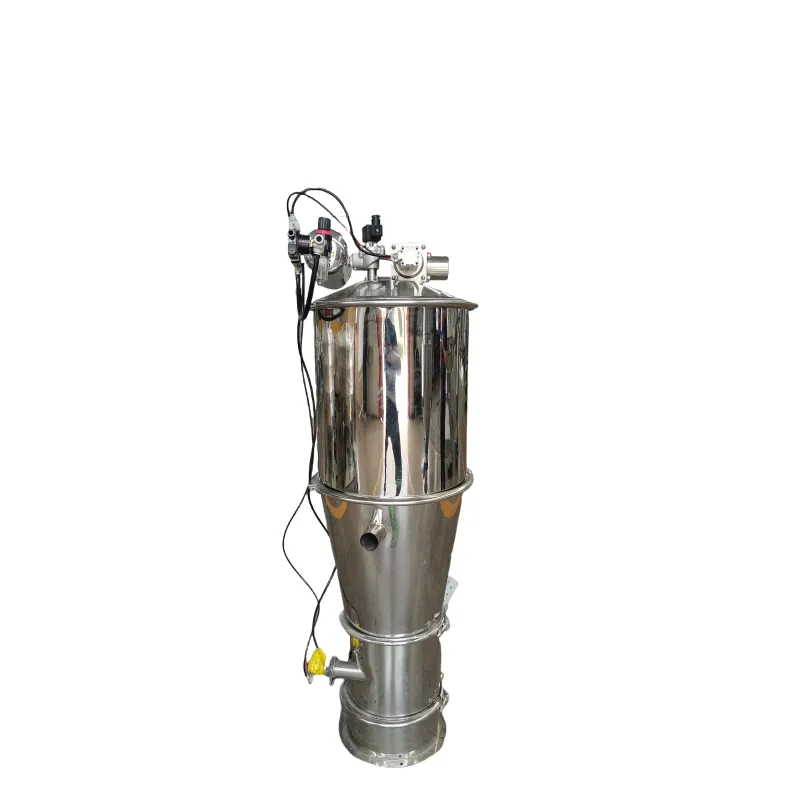
The Revolutionary Significance of Portable Vacuum Conveyors
In dynamic industrial environments, portable vacuum conveyors have completely redefined material handling logic. They break free from the reliance on permanent infrastructure inherent in traditional fixed conveying systems, granting factories unprecedented mobility—a single operator can complete material transfers of up to 1,000 pounds per hour between production lines, mixing zones, and packaging areas in just minutes, effectively eliminating downtime costs associated with production line reorganization. More critically, it directly addresses the three major cost black holes in manufacturing: Replacing repetitive manual labor requiring three or more workers, increasing material conveying efficiency by 85%; its enclosed design eliminates the risk of contamination recalls in the pharmaceutical and food industries, which can cost up to $500,000 per incident; its modular structure enables factories to deploy industrial-grade conveying capacity (28 inches of mercury vacuum) using standard 110V power, achieving vertical/horizontal bidirectional conveying of heavy materials such as carbon black and titanium dioxide over 100 feet, with a return on investment period compressed to less than six months.
As manufacturing transitions to flexible production, the strategic value of this equipment becomes increasingly evident. It allows companies to expand capacity on-demand using mobile units to address seasonal fluctuations or new product launches without requiring multi-million-dollar infrastructure upgrades. The built-in FDA/USDA compliance protocols automatically meet increasingly stringent regulatory requirements. In terms of safety, its revolutionary features include a triple risk elimination mechanism: eliminating 90% of musculoskeletal injuries by eliminating manual contact; ATEX explosion-proof certification to mitigate the risk of combustible dust explosions; and mirror-polished surfaces and quick-release designs that improve cleaning efficiency by 70%, ensuring that pharmaceutical API batch conversions maintain Class D cleanliness standards—a core competency during FDA 21 CFR Part 11 on-site audits.

30
May
29
May
18
Jun
"Before installation, manual handling was killing our production speed and safety records. Since implementing this system, our line efficiency jumped by 40%. The ROI was clear within months – reduced labor costs and zero handling injuries in 18 months. Seamless integration with our packaging line was the cherry on top."

"We struggled with product damage during transfer for years. This gentle conveying solution eliminated breakage completely while meeting strict FDA sanitation standards. Maintenance is surprisingly simple, and downtime dropped by 70%. Worth every penny for quality-sensitive industries."


Copyright © Henan Zhongren Machinery Equipment Co., Ltd.
 EN
EN