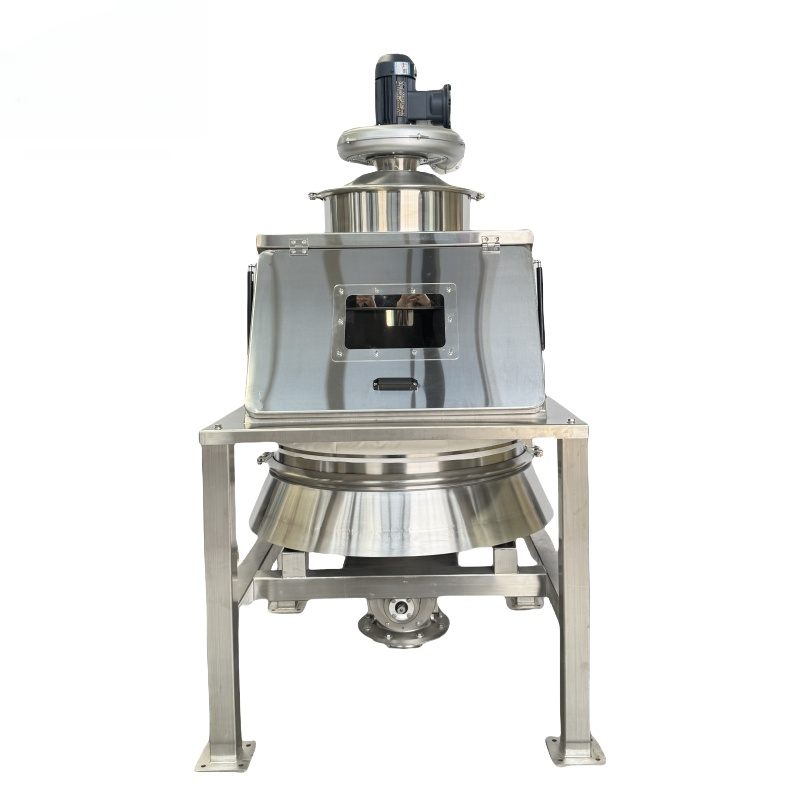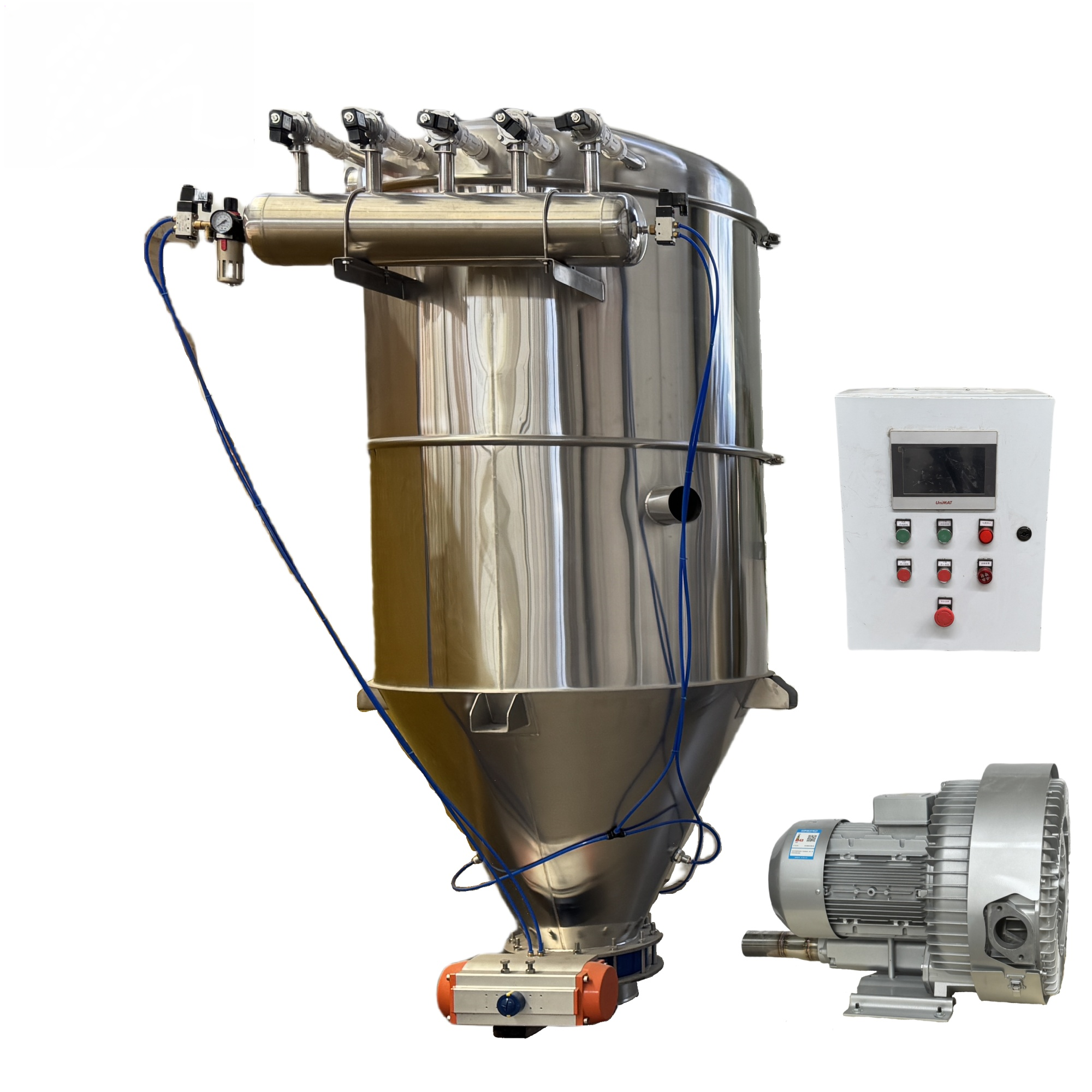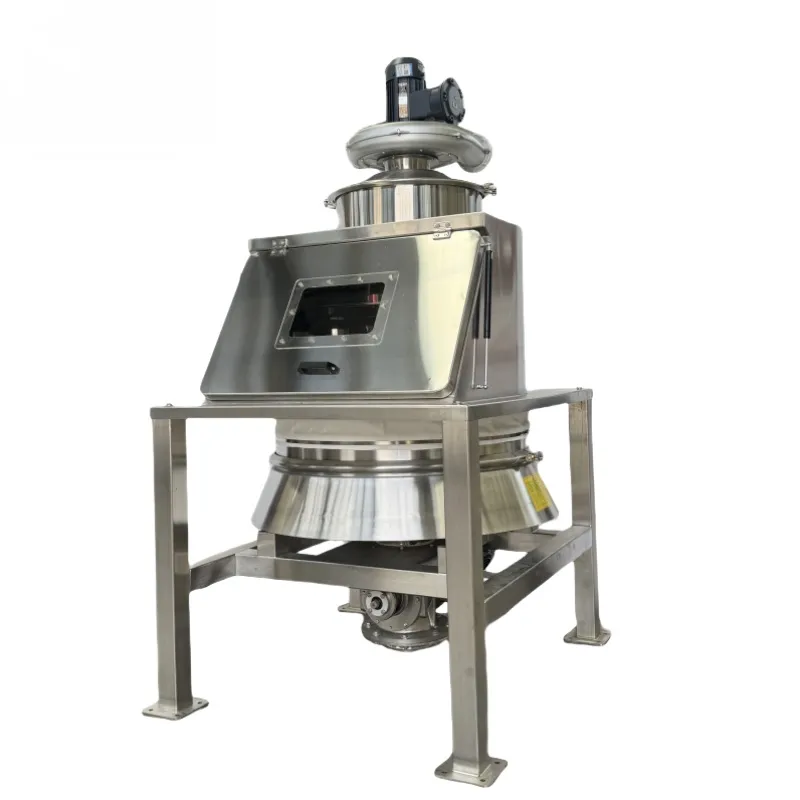
Spiral conveying systems play a strategic role in modern industrial production, with their core value lying in overcoming spatial constraints and optimizing logistics efficiency. In response to rising land costs and the need for capacity expansion, these systems utilize a three-dimensional vertical conveying model to reduce the floor space required by traditional horizontal conveyor belts by up to 85%, effectively replacing expensive ground space with vertical space. For food and beverage, pharmaceutical, or logistics companies constrained by physical factory boundaries, this compact design enables capacity expansion without the need for relocation or factory expansion, directly reducing fixed asset investment costs.
In operational terms, spiral conveying systems eliminate the intermittent stoppages of traditional elevators through continuous vertical conveying, maintaining a high throughput of over 100 units per minute while seamlessly integrating cooling, drying, or buffering functions. Precision-controlled spiral angles ensure smooth transportation of fragile items (glass bottles, baked goods, electronics), reducing breakage rates to one-third of industry standards, particularly meeting pharmaceutical industry GMP compliance and food-grade USDA/3-A hygiene certification requirements. Compared to mechanical elevators, its design without push plates or claws reduces energy consumption by 40-70%, while modular components significantly simplify maintenance processes, reducing the average time to repair (MTTR) by 60%.
From an ROI perspective, the spiral conveying system is a key tool for redefining material flow economics. Industry reports confirm that for every square meter of floor space saved, companies can achieve 3-5 times the production capacity benefits. Actual case studies show that warehouses equipped with this system achieve a 20-50% increase in throughput, while logistics companies leverage ZPA/BCR scan compatibility to improve package sorting accuracy to 99.8%. Within a typical payback period of 6-18 months, the system continuously delivers long-term value through three effects: reduced energy consumption, minimized product loss, and optimized workforce allocation. As flexible manufacturing and smart factories evolve, features such as corrosion-resistant stainless steel bodies and IoT operational monitoring interfaces make it an inevitable choice for the next decade's Industry 4.0 infrastructure.

30
May
29
May
18
Jun
"Before installation, manual handling was killing our production speed and safety records. Since implementing this system, our line efficiency jumped by 40%. The ROI was clear within months – reduced labor costs and zero handling injuries in 18 months. Seamless integration with our packaging line was the cherry on top."

"We struggled with product damage during transfer for years. This gentle conveying solution eliminated breakage completely while meeting strict FDA sanitation standards. Maintenance is surprisingly simple, and downtime dropped by 70%. Worth every penny for quality-sensitive industries."


Copyright © Henan Zhongren Machinery Equipment Co., Ltd.
 EN
EN