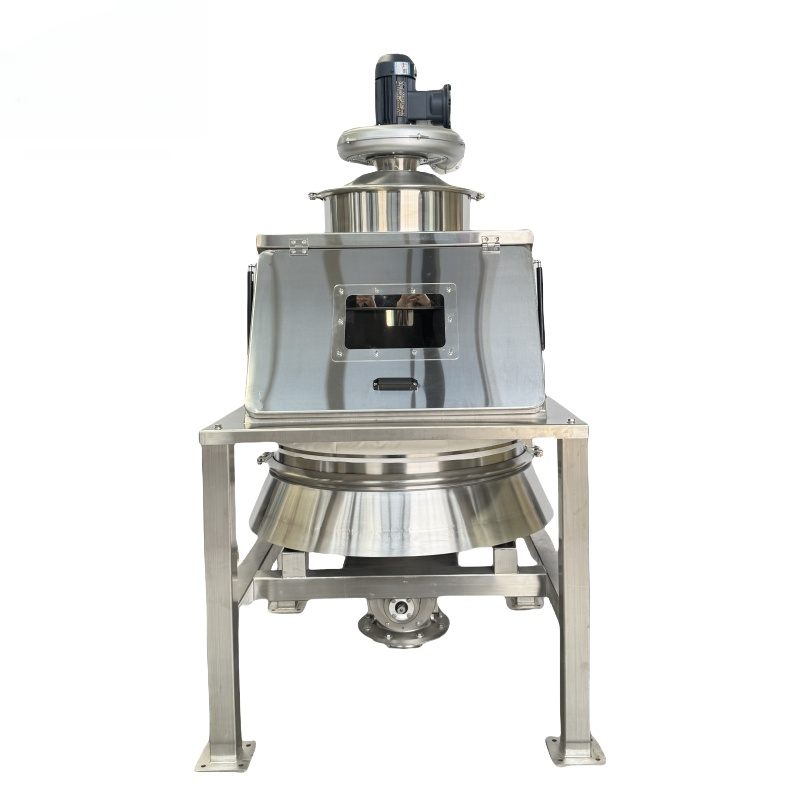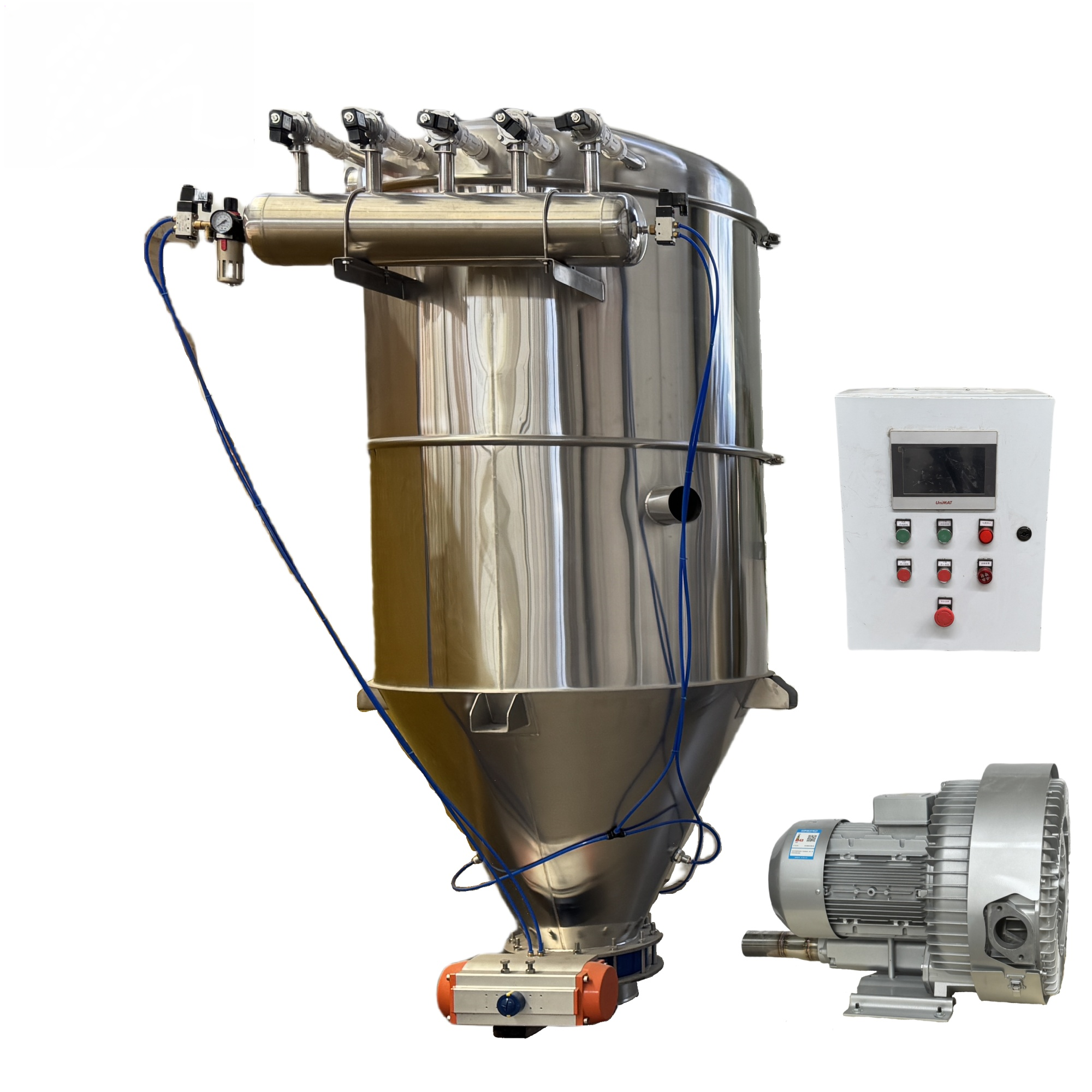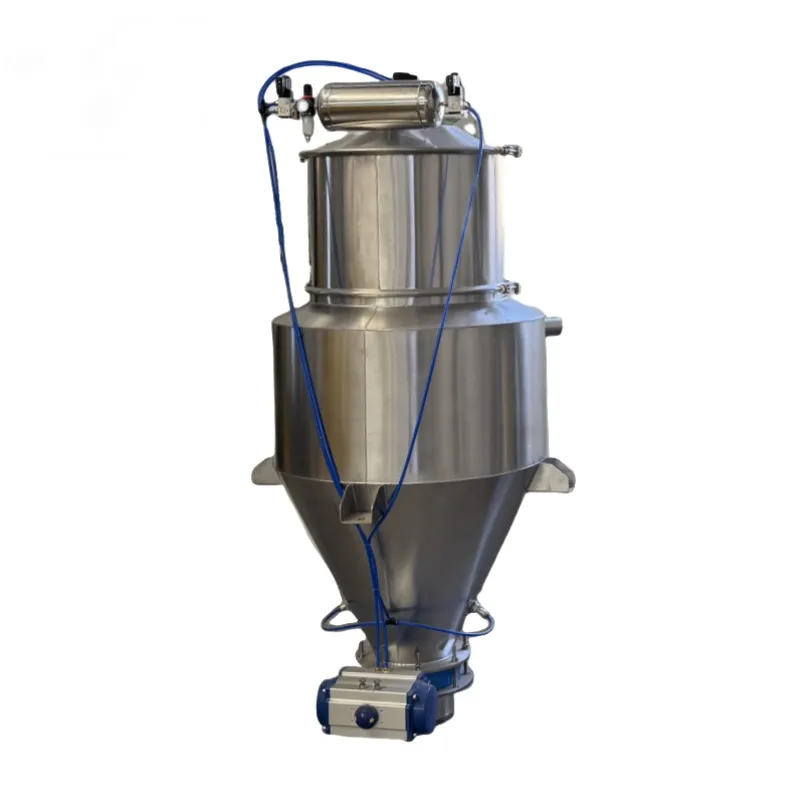
Vacuum powder conveying systems play a crucial strategic role in modern industry, with their core value lying in addressing the inherent challenges of traditional powder handling methods (such as manual handling, gravity feeding, or mechanical conveying). Traditional methods often result in systemic issues such as dust exposure risks, product cross-contamination, material degradation, and safety hazards. Vacuum conveying technology achieves a fundamental breakthrough by utilizing a negative pressure sealed conveying mechanism.
In terms of safety protection, such systems are essential safeguards for high-risk industries. ATEX-certified designs eliminate the risk of explosions involving combustible dust (such as chemical raw materials, metal powders, or flour); fully enclosed structures combined with 316L stainless steel or FDA-grade polymer materials ensure zero human contact with highly toxic/fine powder materials (such as silica or active pharmaceutical ingredients), complying with OSHA/COSHH mandatory regulations while preventing cross-contamination between batches.
In terms of operational efficiency, the system elevates production efficiency to a new level. Vacuum conveying speed is 3-5 times faster than manual handling, reducing material transfer time from hours to minutes. A key advantage is over 99% material recovery rate, virtually eliminating residual loss of high-value powders. The system achieves seamless automated integration with silos, reactors, mixers, and packaging lines via PLC control modules, significantly reducing manual intervention.
For quality control and compliance, technical advantages are particularly critical. The low-speed airflow conveying mode maintains particle integrity, preventing layering or breakage of mixed materials. The system's GMP/ISO-compliant, verifiable design supports CIP/SIP cleaning procedures, perfectly aligning with the stringent standards of the pharmaceutical, food, and nutritional supplement industries. The dry vacuum environment effectively prevents moisture-sensitive powders from clumping and deteriorating.
In terms of economic benefits, technological innovation brings multiple values. Automated conveying reduces labor costs by 70% and energy consumption by 40% compared to pneumatic systems. The near-zero material loss characteristic reduces waste disposal costs and aligns with corporate ESG sustainability goals. For the pharmaceutical industry, the system ensures the stability of high-potency ingredients; for the food industry, it enables precise control of allergens; for the chemical industry, it ensures the safe transportation of explosive/toxic powders; and in the 3D printing industry, it maintains consistent particle size distribution of precision powders.
At its core, the vacuum powder conveying system has transcended the realm of mere equipment, becoming a strategic infrastructure critical to production safety, operational resilience, and corporate core competitiveness. Its technical characteristics directly address the demands of the Industry 4.0 era for intelligent, pollution-free, and fully traceable production, making it an indispensable key technology for upgrading traditional production models.

30
May
29
May
18
Jun
"Before installation, manual handling was killing our production speed and safety records. Since implementing this system, our line efficiency jumped by 40%. The ROI was clear within months – reduced labor costs and zero handling injuries in 18 months. Seamless integration with our packaging line was the cherry on top."

"We struggled with product damage during transfer for years. This gentle conveying solution eliminated breakage completely while meeting strict FDA sanitation standards. Maintenance is surprisingly simple, and downtime dropped by 70%. Worth every penny for quality-sensitive industries."


Copyright © Henan Zhongren Machinery Equipment Co., Ltd.
 EN
EN