The Strategic Significance of High-Frequency Vibrating Screens: The Core Technology Reshaping Industrial Separation Efficiency
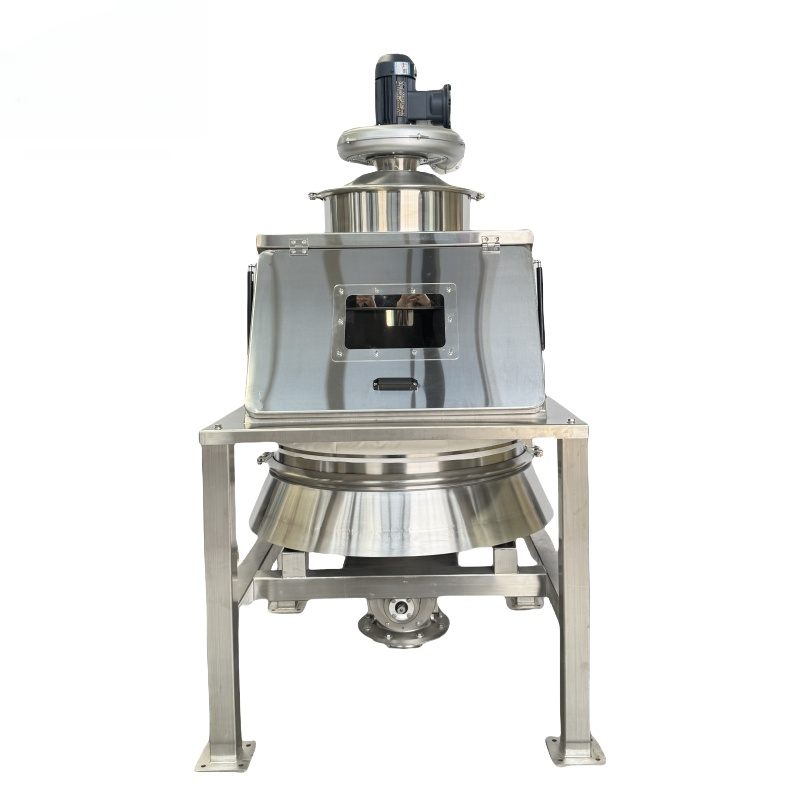
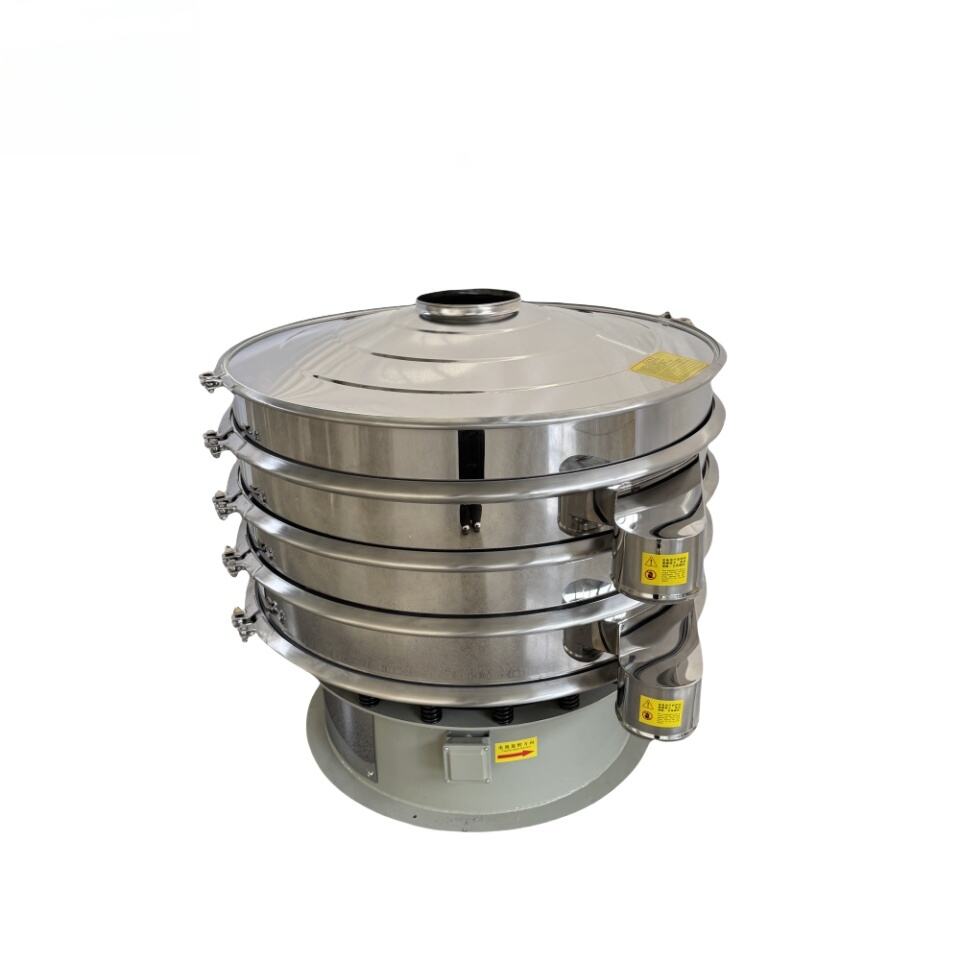
In the industrial context of increasingly scarce mineral resources and continuously rising environmental standards, high-frequency vibrating screens have emerged as a revolutionary technology in the mining, construction materials, and recycling industries. Their core value lies in generating a strong vibrational force of 5-7G through high-frequency vibration at 3000-3600 RPM, achieving particle grading precision for ultra-fine particles (as small as 75μm) that traditional screening equipment cannot match. For the processing of high-value minerals (such as gold and silver tailings, copper concentrate), this equipment can increase the capture rate of target particles to 98%, boosting the revenue per ton of ore by 8-12%; in the sand and gravel aggregate industry, its waterless classification capability improves efficiency by 300% compared to traditional drum screens, completely transforming the high-cost, high-pollution challenges of water-washed sand.
In terms of key dewatering performance, the high-frequency vibrating screen reduces the residual moisture content of materials like coal and metal slag to below 15%, achieving energy savings of 30-50% compared to linear vibrating screens. This translates to a direct reduction of approximately 120-200 yuan per ton in drying energy costs for concentrate, while also avoiding sales discounts caused by excessive moisture content. When dealing with sticky and wet materials that cause blockages (such as clay-based iron ore and lithium ore slurry), the equipment uses polyurethane screen plates (with a lifespan 5-10 times longer than metal screens) and a fully sealed vibrator design to fundamentally eliminate screen clogging issues. It maintains a fault downtime rate of less than 0.5% during 24-hour continuous operation, ensuring stable operation for large-scale mineral processing plants handling millions of tons annually.
From an industry application perspective, high-frequency vibrating screens are redefining production logic across multiple sectors: In tailings treatment, they reduce tailings dam construction costs by 20% and mitigate dam breach risks through dry stacking technology; In battery material recycling lines, they achieve 99.2% copper-aluminum separation purity, adding over 10,000 yuan in value per ton of waste material; In the quartz sand refining process, they replace water-consuming sand washing machines, enabling a 300,000-ton production line to save 900,000 tons of water annually. This technological barrier stems from the synergistic effect of high-frequency vibration force and micro-pore screens—when materials pass through 0.1mm-grade screen openings at a rate of 80 micro-throws per second, a dual purification mechanism of physical screening and centrifugal layering is formed, which is a technological moat that gravity separators or ordinary vibrating screens cannot replicate.
For companies pursuing operational efficiency, high-frequency vibrating screens have transcended their equipment attributes to become a key enabler of resource utilization efficiency. They enable mining companies to extract millions in revenue from waste materials, allow sand plants to overcome environmental production restrictions, and enable new energy recyclers to obtain ultra-pure metals—this is the core reason why global top-tier mining and industrial groups have designated them as strategic-level equipment.

30
May
29
May
18
Jun
"Before installation, manual handling was killing our production speed and safety records. Since implementing this system, our line efficiency jumped by 40%. The ROI was clear within months – reduced labor costs and zero handling injuries in 18 months. Seamless integration with our packaging line was the cherry on top."

"We struggled with product damage during transfer for years. This gentle conveying solution eliminated breakage completely while meeting strict FDA sanitation standards. Maintenance is surprisingly simple, and downtime dropped by 70%. Worth every penny for quality-sensitive industries."


Copyright © Henan Zhongren Machinery Equipment Co., Ltd.
 EN
EN