
 EN
EN
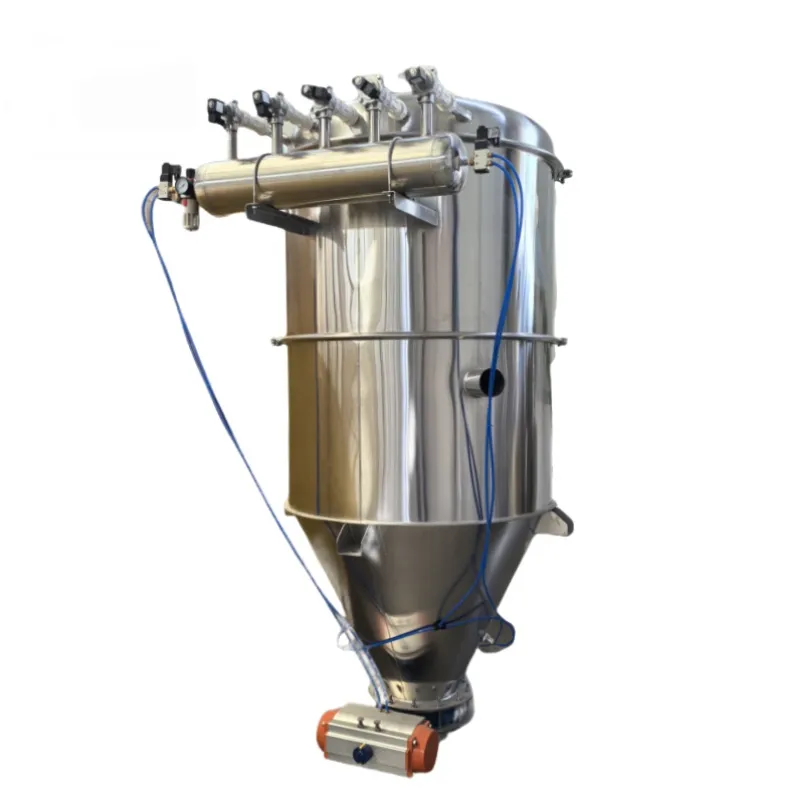
Understand Safety Guidelines Regarding Sifter Machines
There are some safety standards that apply to all sifter machines. This includes food processing vibratory screens, swing sieves, and other sifter machines that are used in the food, drugs, and chemicals industries. These machines, like all sifter machines, possess moving parts, high frequency vibrations, and other materials that can become hazardous if they escape their intended area.
The standards GB 8196 (Safety of Machinery - Guards for Moving Parts) and GB 8197 (Safety of Machinery - Emergency Stop Equipment) state that sifter machines are to have guards placed around all moving parts at all times. These guards should be unremovable without tools and be capable of withstanding the vibaratory forces of the sifter machine during use. Emergency stop buttons should be installed within the work area, no more than one meter away from the operator, so that the machine can be instantly stopped when there is a machine malfunction.
Some Potential Issues That May arise During a Pre Operation and Safety Check for your Machinery
Many accidents stem from the mechanical breakdown of the machine itself and from small details that are often ignored. First, assess the physical condition of the machine itself. Check the guardrails. Are there cracks, and are there loose screws? Look at the vibration isolation pads. Worn or damaged pads can lead to excessive movement of the machine, which can lead to the machine tipping over or wearing down components.
Then, check to see that all of the safety devices are still working. Press the emergency stop to see if the machine turns off and if an error code is displayed or if a warning is lit up on the control panel. For machines that have an automatic feeding system, check to see if the interlock system works. If the guard is open while the machine is working, the feeding system should stop to prevent spillage of the materials and to prevent the hands of the operator from coming into contact with any moving parts.
You must also have an understanding of the material that must be screened. Be sure the material is free from foreign objects such as metal pieces or large hard clumps which can cause clogging of the sieve mesh which can cause motor overload and damage the machine. For instance, in a flour milling facility, a magnetic separator used during the pre-screening process can help prevent damage to the sieve by removing metal impurities and help sustain the purity of the end product.
Master Proper Operating Practices
To maximize the machine's performance and to ensure safety, correct operation is of utmost importance. As the sifter is being started, one must observe the "no load start" principle, which entails switching the machine on and allowing it to attain normal operating speed prior to feeding in the materials. If feeding is done while the machine is still speeding up, there will be an uneven distribution of material, and this will cause an increase in the vibrations and stress on the frame of the machine.
While the machine is running, keep a steady feeding rate. Make sure not to overload the machine. An accumulation of materials on the sieve mesh can lead to overheating, increased motor load, and a reduction in screening efficiency. Real time monitoring of load indicators is available on most sifter machines. Adjust feeding rate based on load indicator readings. For example, in the production of soy milk powder, swing sieves operate best (for screening accuracy and to avoid material blockages) when set to a max load of 80% of the rated capacity.
Never attempt to adjust or clean the sieve mesh while the machine is running. Even if the machine is on a low speed, high-frequency vibrations can pull tools or hands into the moving parts. If cleaning is required, first stop the machine, lockout the power source (with a lockout-tagout device), and then proceed to do your cleaning. This stays in line with the safety guidelines of the “Safety Operation Regulations for Mineral Processing Plants.” These guidelines state that any maintenance or adjustment work must be done with the machine powered off.
Perform Regular Maintenance to Ensure Long-Term Safety
Safety performance and longevity are both outcomes of regular maintenance. Predict the operating hours and the overall workload of the machine to come up with a maintenance schedule. One example would be vibratory screens used in chemical plants. These screens should have the sieve meshes checked and replaced if necessary. Worn meshes can even cause a malfunction of your equipment by allowing oversized particles to pass through. We could be talking about a screens in a chemical facility that deal with harsh and corrosive material.
Consult your machine’s manual for the best maintenance schedule and even the best lubricant to use. Smooth operation is best achieved with a reduced friction between the moving parts of a machine, and regular use of the recommended lubricant will help this. Regular maintenance should be a priority to correctly operate the equipment. This will help avoid malfunctions and ensure that the machine is working properly each and every time. This will also ensure that the costs of running the machine are kept low.
Focusing on the Training and Awareness of Employees
The sifter machine can be made safer through properly training your employees. All employees need to have training that talks about the safety, the machine procedures, emergency procedures, and anything else important. Training sessions need to have a hands-on portion so the employees can learn the different controls, safety measures and troubleshooting methods on the machine.
The employees also need to be informed of the risks that can come with operating the sifter machine. Such risks can include, moving parts of the machine, the silence, and dust that can be harmful to their lungs. Providing PPE will help, as well as, consistent use of protective goggles, dust masks, and gloves. Training employees on safety will help employees get accustomed to the procedures, and also help them learn what's new with the operating procedures of the machine and the safety measures.
By creating a way of training employees to show them the importance of safety, you can make sure sifter machines are used in a way that ensures the safety of employees and the machines, all while ensuring that high productivity and quality are in place.